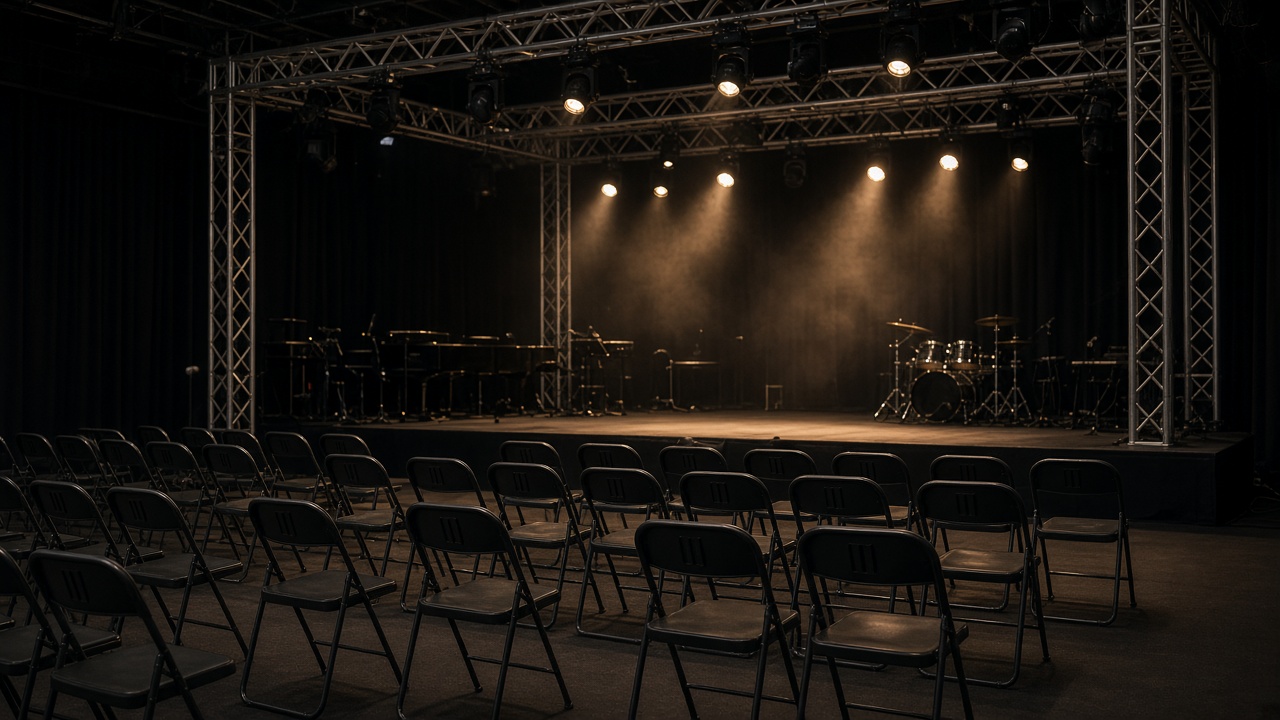
CJ ENM said Friday it will relocate the headline nights of its autumn music week from a riverside park stage in southern Seoul to the climate-controlled Jamsil Olympic Hall, citing a fast-moving storm front forecast to bring gusts above 15 meters per second Saturday evening. Ticket holders keep the same barcodes; only gate assignments change, a logistical swap that spares production crews from anchoring speaker towers in saturated turf.
The festival, branded as a showcase for rookie idol groups and indie bands, sold roughly 18,000 seats across three nights. Promoters had marketed an “open-air finale” with fireworks, elements now scrapped in favor of indoor pyrotechnics that meet hall safety codes. CJ ENM’s live team said streaming rights for international fans remain intact, with multicamera angles adjusted for a proscenium layout instead of a 270-degree outdoor rig.
Weather and insurance
KMA models show the front crossing the capital region between 4 p.m. and midnight Saturday, overlapping the first relocated show. Event insurers had already raised wind-rider deductibles after last month’s typhoon season, making outdoor cancellation financially painful. Moving indoors triggers hall rental costs but avoids refund clauses tied to lightning within five kilometers.
Neighborhood merchants who set up food trucks along the original park perimeter grumbled about lost foot traffic. Mapo district officials said they will fast-track permits for Sunday flea markets if skies clear.
Fans and safety
Social media queues filled with questions about bag size limits inside Olympic Hall. Organizers published a chart converting outdoor “mosh pit” zones into seated blocks, disappointing some fans but winning praise from safety advocates after a summer of heat-related concert incidents. Medical teams will station twice as many stretchers indoors, though crowding risk shifts from sunstroke to narrow concourse bottlenecks.
The storm will pass; the broader trend—fall festivals retreating indoors when climate volatility makes park stages unpredictable—is here to stay.
Production economics
Relocating a festival midweek forces overtime for rigging crews who must disassemble outdoor delay towers and rebuild line arrays inside Olympic Hall’s weight-limited roof. CJ ENM said it absorbed most incremental costs rather than pass surcharges to ticket holders, betting on sponsorship make-goods from beverage partners who still receive logo time on streams. Advertisers buying product placement in recap shows asked for assurances that artist lineups would not change; organizers confirmed identical set lists with minor stage blocking tweaks.
Idol agencies, meanwhile, used the weather scare to rehearse indoor evacuation routes—a response to government guidance after heat-stroke incidents at summer festivals. Talent contracts now include force-majeure clauses specifying indoor alternates within 50 kilometers, language that did not exist five seasons ago.