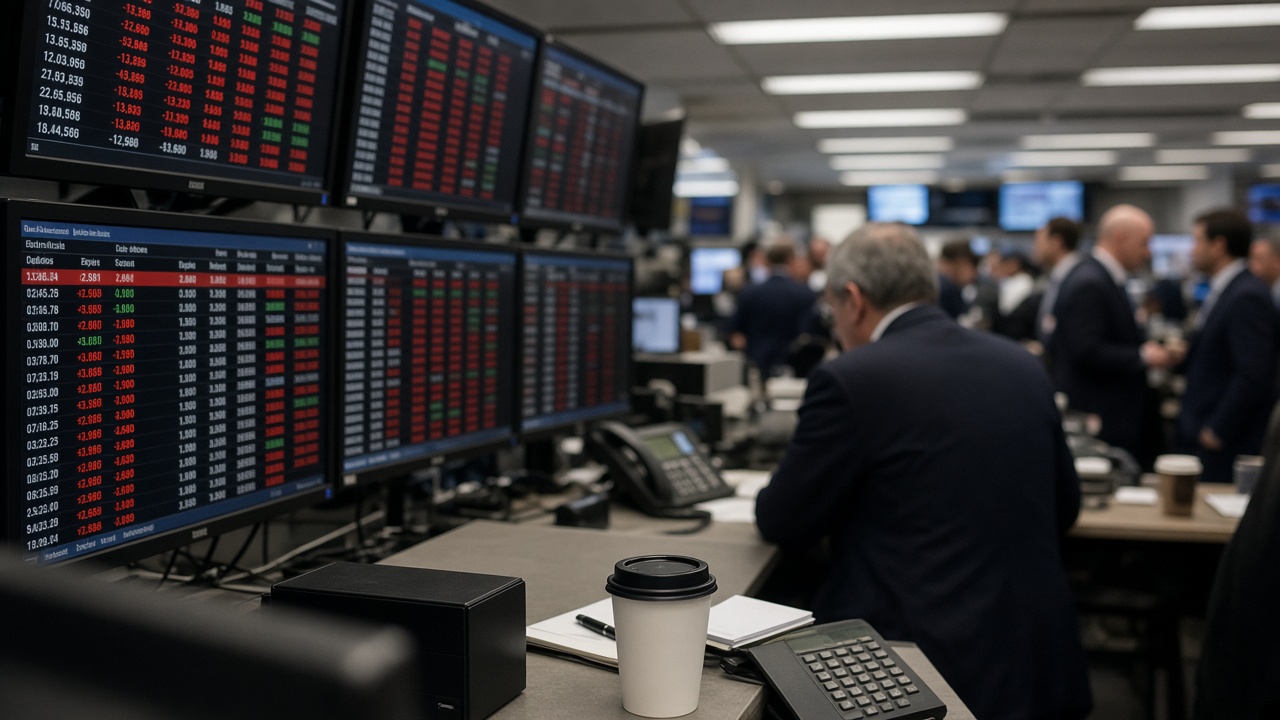
The FTSE 100 surrendered a morning advance and closed down 0.3% on Thursday as HSBC slid after flagging softer wealth-management inflows in Hong Kong, offsetting gains in BP and Glencore while gilt yields hovered near multi-year highs.
Marcus Hale writes: London opened firmer, tracking a bounce on Wall Street technology names overnight, but the tone turned defensive once Asia-facing banks traded lower in sympathy with HSBC’s trading update. The lender said third-quarter wealth net new money in its Hong Kong hub missed internal plans, citing cautious client positioning around Chinese property exposure and Middle East-linked oil volatility.
Sector split
Miners finished mixed but helped cap losses. Rio Tinto and Anglo American rose with copper, while oil majors gained as Brent held above $104. That barbell — resources up, financials down — has been the FTSE’s default mode for much of the quarter, and Thursday was no exception.
Mid-caps fared slightly better. The FTSE 250 added 0.1%, led by domestic insurers pricing in higher long-term rates. Aviva and Legal & General both advanced, reflecting actuarial models that treat elevated gilt yields as a double-edged sword: better discount rates, tougher competition for pension risk transfers.
Macro cross-currents
Macro traders were equally focused on Threadneedle Street and HM Treasury. The 10-year gilt yield touched 5.515% at one stage Wednesday, a level last seen in July 2007, before easing a hair into Thursday’s equity session. Bank of England Governor Andrew Bailey told an Istanbul conference that fiscal plans must be credible “whatever the stance,” a remark markets read as pre-budget pressure on John Healey.
That linkage matters for the FTSE’s heavy financial weighting. Barclays and NatWest slipped even though loan books look benign; investors fear that higher funding costs and political noise could compress returns just as capital return programmes ramp up.
Single-stock movers
HSBC’s London shares fell 2.4%, the steepest drop on the blue-chip index. Analysts at Jefferies trimmed near-term fee income estimates but kept a buy rating, arguing the bank’s capital return story remains intact. Standard Chartered, another Asia tilted lender, declined 1.6%.
On the upside, Rolls-Royce added 1.1% after a broker note highlighted resilient long-haul flying hours despite fuel price anxiety. Unilever was flat as emerging-market currency moves washed through forecasts.
What Friday brings
Friday’s calendar is light for UK corporates but busy for macro funds rolling October option expiries. Derivatives desks reported elevated put buying on the FTSE 100 into the weekend, a hedge against further gilt turbulence rather than a outright bearish bet on earnings.
For retail investors, the session was a reminder that a “UK index” headline can hide sharp regional stories. Asia revenue warnings, North Sea oil, and gilt markets all pulled on the same 100-stock basket — and on Thursday, the banks lost the tug of war.