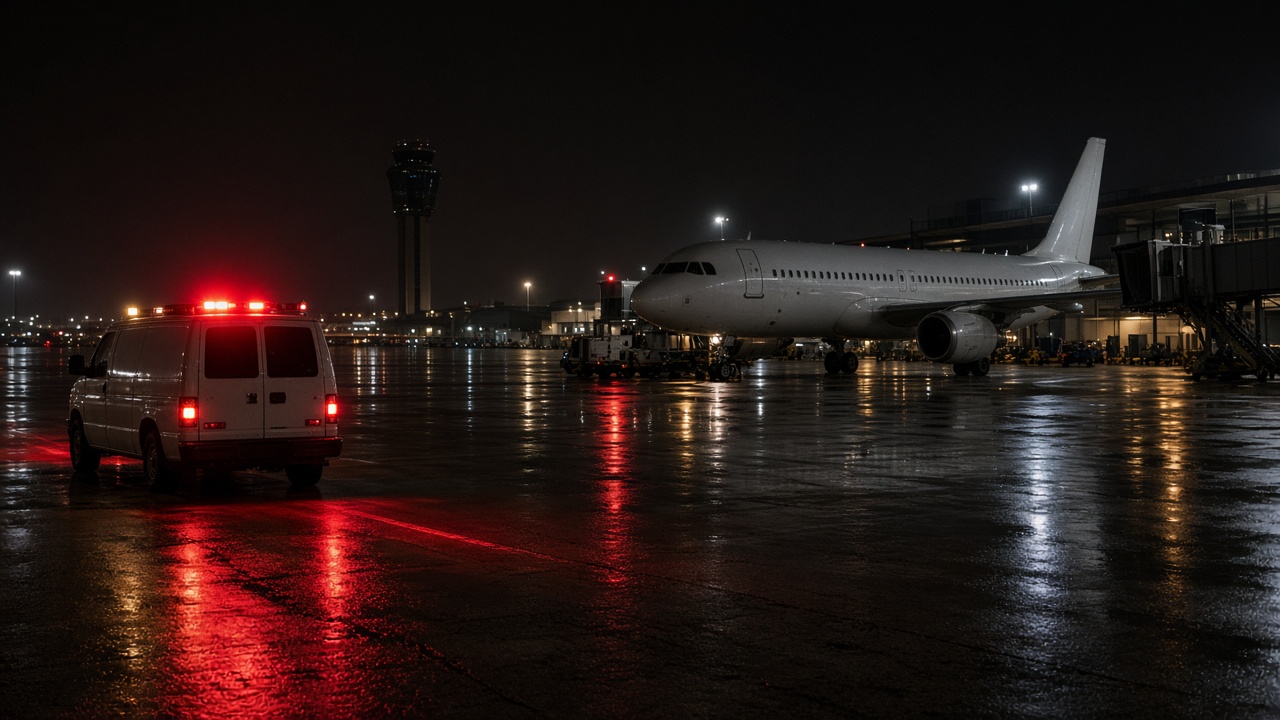
Three Saudi nationals, including a Saudia airline captain, were killed in two Iran-backed Houthi attacks on King Khalid International Airport in Riyadh on Thursday, Saudi Arabia’s civil aviation regulator said Friday, deepening a regional crisis that has already scrambled Gulf air travel and kept energy markets on edge.
The General Authority of Civil Aviation said in a statement posted on X that the fatalities followed separate strikes on airport infrastructure and on an aircraft belonging to the kingdom’s flag carrier. Saudia identified the dead crew member as Captain Hamoud Ali Alkalthami and said he was killed when militants targeted one of its planes.
Flights cancelled, then reopened
The assault on Saudi Arabia’s busiest international gateway forced widespread cancellations. Flight-data firm Cirium recorded hundreds of departures scrubbed on Thursday, with dozens more pulled from Friday schedules before authorities declared that airport operations and air traffic had returned to normal later in the day.
Travel analysts said even a short closure at King Khalid ripples through connecting traffic across the Gulf, because Riyadh functions as both a leisure hub and a transfer point for pilgrims and contract workers. Airlines that had diverted inbound aircraft faced crew-duty limits and slot congestion once the field reopened.
Coalition warns of retaliation
The Saudi-led military coalition fighting the Houthis in Yemen said Friday that it destroyed three missile launchers used in recent attacks and warned that strikes on civilians and civilian infrastructure would draw a “firm response.” Coalition spokesperson Major General Turki al-Malki did not specify timing or targets for any follow-on operations.
Houthi leaders have framed attacks on Saudi airports and shipping lanes as retaliation for the kingdom’s air campaign and for U.S. and Israeli pressure on Iran, their main patron. U.S. President Donald Trump said late Thursday that Washington would not launch new strikes on Iran before the 3 November midterm elections, a statement that helped pull oil prices lower even as Riyadh counted its dead.
What investigators still need
Saudi officials have not publicly released imagery of damage to the Saudia jet or named the weapons used. Aviation security specialists said confirming whether the aircraft was struck on the ground or during taxi will shape insurer liability and any changes to perimeter defenses at civilian fields that also host military traffic.
Western diplomats in Gulf capitals are watching whether the airport deaths push Riyadh toward a wider counterstrike in Yemen or whether Riyadh keeps its response calibrated to avoid escalating the parallel confrontation over the Strait of Hormuz. For now, the confirmed toll—a pilot and two other Saudis—has turned an abstract air-war story into a named casualty on a commercial flight deck, something the coalition said it would not let pass unanswered.