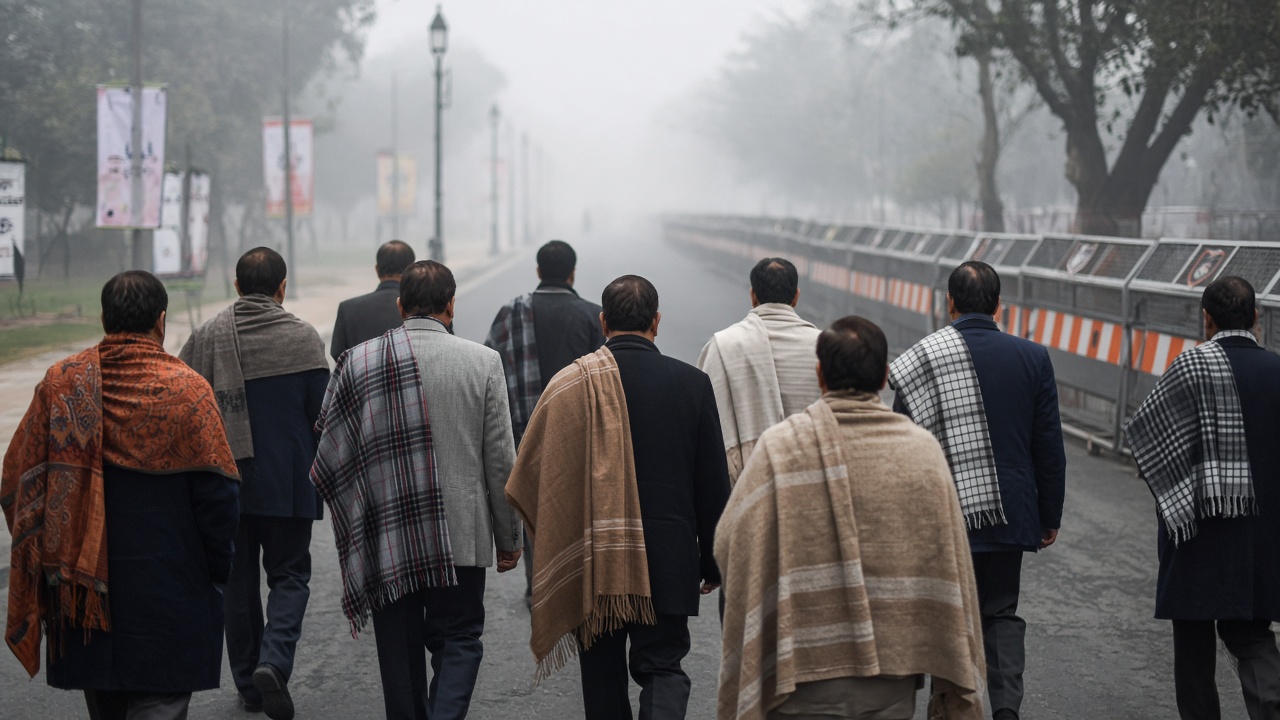
Leaders of the Indian National Developmental Inclusive Alliance said they will resume protests on Friday with a march from Parliament House toward Rashtrapati Bhavan, extending a third-day sit-in at Rajghat where Congress president Mallikarjun Kharge and Leader of the Opposition Rahul Gandhi accused the government of “vote chori” through the Election Commission’s special intensive revision.
Thursday at Rajghat
On 8 October, bloc MPs offered floral tributes at Mahatma Gandhi’s memorial and framed the demonstration as a satyagraha for voting rights. Gandhi named Prime Minister Narendra Modi, Home Minister Amit Shah and Chief Election Commissioner Gyanesh Kumar in his remarks, alleging coordinated roll changes that strip eligible citizens of ballots. Police detained several MPs earlier in the week; Gandhi told reporters from a police van that protests would continue until Kumar resigns.
Kharge said the alliance prayed for “sadbuddhi” for the government to stop the revision and remove Kumar. Trinamool Congress chief Mamata Banerjee was expected to join Friday’s march though President Droupadi Murmu had not confirmed an appointment request.
Policy fight behind the slogans
The commission began intensive revision in Bihar in 2025 and expanded nationwide, requiring documents from voters to retain names. Opposition parties say Muslims and tenants are disproportionately dropped; the BJP and ECI deny bias and cite duplicate removal. Supreme Court notices on procedural compliance add a judicial track parallel to street pressure.
Gen Z-led demonstrations in Mumbai and Bengaluru under the “Cockroach” banner amplify social-media anger, but Friday’s Delhi route is an old-school parliamentary tactic—visible to television cameras and foreign correspondents filing from the Telegraph and other outlets.
Security and optics
Delhi Police will likely impose Section 144-style restrictions near the presidential estate. The government will portray the march as disruption during a sensitive monetary policy week; the opposition will argue that markets and democracy can coexist. Neither side benefits if clashes eclipse the underlying data dispute.
What to watch
Whether the President’s office grants a delegation meeting, and whether the commission publishes state-wise deletion and reinstatement statistics before state elections heat up. Without numbers, Friday’s images become the entire story—which is precisely what the INDIA bloc is betting on.
State-level echoes
Non-INDIA parties in Tamil Nadu and Odisha have criticised revision tactics without joining every Delhi march, complicating the bloc’s unity optics. Regional satraps want deletion statistics for their states before committing cadres to capital protests that television reduces to Gandhi-family imagery.
The government’s counter-narrative highlights Bihar roll cleanup successes and warns against returning to paper ballots. That policy debate will outlast Friday’s barricades regardless of march turnout.
Winter session logistics—committee rooms, question hours—may compress if protests consume Lok Sabha time, a cost opposition whips accept as part of escalation strategy.