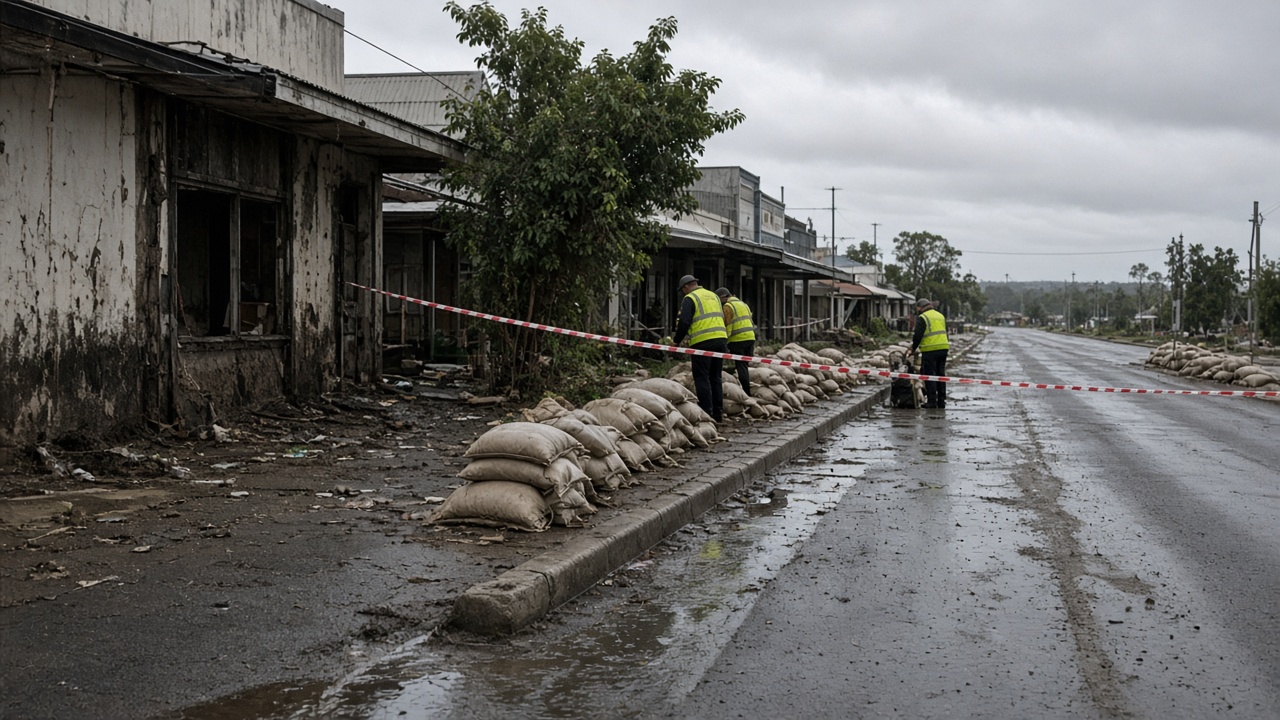
The federal government has walked away from a plan to split disaster recovery funding evenly with states and territories, keeping higher Commonwealth contributions in place after a revolt from Queensland mayors and premiers who said the change would leave communities paying for cyclone and flood repairs. Emergency Management Minister Kristy McBain confirmed the backdown on Friday, while Treasurer Jim Chalmers said Canberra would maintain existing cost-sharing arrangements that in some programs have covered up to 75 per cent of recovery costs.
What the June proposal would have changed
In June the Albanese government floated a 50-50 split on disaster recovery funding, shifting more liability to states that already manage front-line response. The idea was framed as fiscal discipline, but it collided with the calendar: disaster season approaching, councils still rebuilding from recent floods, and state treasuries facing their own deficits. Queensland Disaster Recovery Minister Ann Leahy wrote to Prime Minister Anthony Albanese this week urging abandonment of the model, a letter signed by Queensland mayors and peak industry groups warning that local ratepayers would absorb Canberra’s withdrawal.
ABC reporting on Friday quoted Chalmers saying the government would not proceed with the change. McBain thanked councils for consultation and emphasised that federal disaster programs would continue under familiar formulas. The political win for states is immediate certainty; the policy question—how to fund more frequent extreme weather—remains open.
Why Queensland led the pushback
Queensland carries a disproportionate share of Australia’s cyclone and flood risk. Premier David Crisafulli said Albanese had made a “commonsense decision” and called for written confirmation that funding arrangements would be maintained in full. For mayors in still-damaged communities, the fear was not abstract: a 50-50 rule would force councils to choose between rate rises and delayed infrastructure fixes.
Other states had signalled concern as well, wary that accepting a new baseline before the next bushfire or storm season would lock them into higher bills. The federal retreat avoids a premiers’ conference fight but leaves unanswered how Canberra will budget for disaster recovery if events continue to intensify.
Parliamentary and budget politics
The reversal lands in a week when the government has already negotiated other concessions to business pressure—notably delaying the Australian Taxation Office’s planned ban on credit-card tax payments. Disaster funding is a different portfolio, but the pattern is similar: a technically independent or arm’s-length decision ran into political cost, and ministers stepped in.
Opposition parties had attacked the 50-50 proposal as downloading risk onto states. With the plan scrapped, debate may shift to mitigation spending—levees, building codes, insurance markets—rather than who pays after the water recedes. McBain’s statement did not attach new dollar figures for preparedness grants; watch the mid-year budget update for whether any reallocated funds follow this announcement.
What communities should expect
For disaster-affected households, Friday’s news preserves the status quo on recovery cost shares, not faster payouts. Insurance affordability and public infrastructure timelines are still strained in northern New South Wales and Queensland. What changed is the removal of a looming 50-50 cliff that councils said would have arrived at the worst moment. States will now press Canberra to put the commitment in writing before the first cyclone forms—Crisafulli’s statement made that demand explicit.