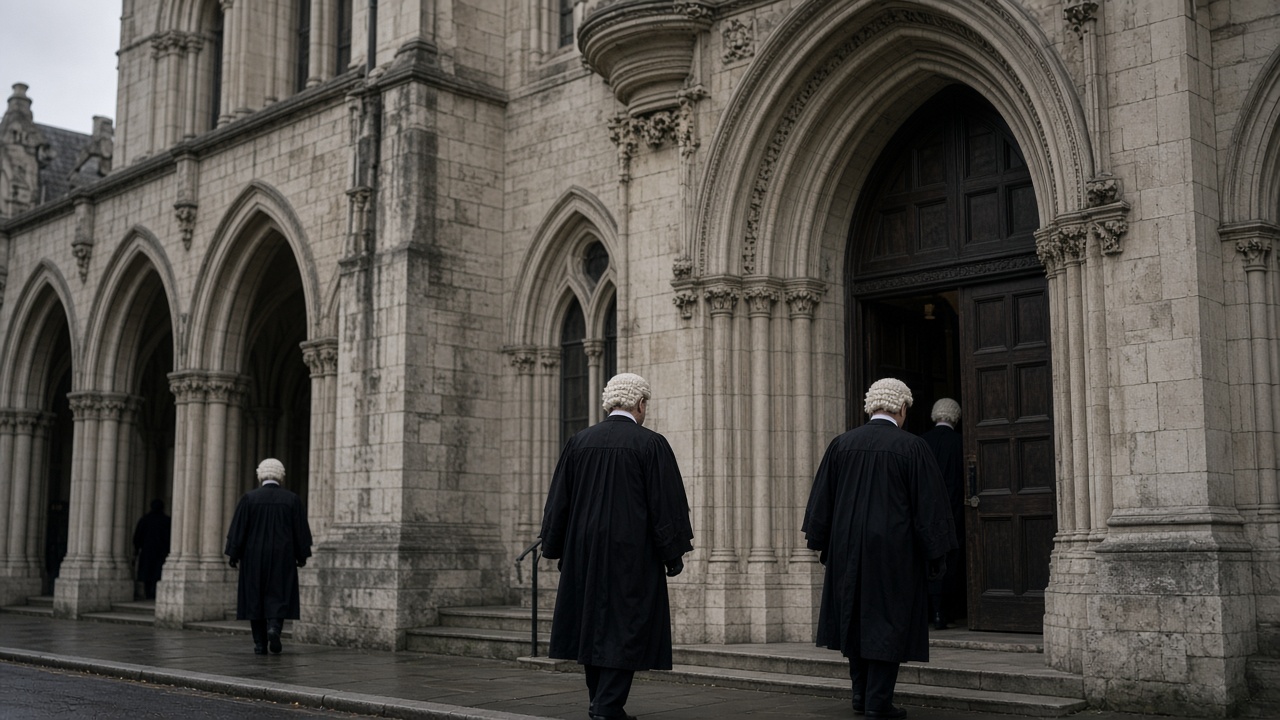
Search warrants that allowed Thames Valley Police to raid two homes linked to Andrew Mountbatten-Windsor were unlawful, the High Court confirmed on Thursday, after the force accepted that judges should never have approved the February searches under the legislation officers relied upon.
Mr Justice Hilliard said agreement had been reached between Mountbatten-Windsor and the force to quash warrants issued on 18 February and executed a day later at Wood Farm on the Sandringham Estate and at Royal Lodge in Windsor. Officers seized documents and electronic devices during the raids, which preceded the former prince’s arrest on suspicion of misconduct in public office connected to his time as Britain’s trade envoy.
Why the warrants failed
The judicial review centred on whether the Old Bailey judge who granted the warrants could be satisfied that material sought was not covered by legal privilege or “special procedure” rules under the Police and Criminal Evidence Act 1984. In a written ruling, Mr Justice Hilliard said Thames Valley Police conceded the issuing judge “could not properly have been satisfied” on that point given the nature of the alleged offences.
The court heard that a lawful search would have required a different statutory route, including procedures in Schedule 1 to PACE, but that pathway was not pursued when the warrants were applied for. Non-compliance with section 8(1)(d) of the act was, the parties agreed, enough to render the warrants void.
Investigation continues despite the ruling
Police stressed that quashing the warrants does not end their inquiry. A Thames Valley Police spokesperson said the agreement related to the legal basis for the searches, “not a judgement on our ongoing investigation,” and that officers were still pursuing reasonable lines of enquiry against a man in his 60s from Norfolk.
The force is separately asking the court for permission to retain material taken during the raids under section 59 of the Criminal Justice and Police Act 2001, which can allow evidence from an unlawful search to be kept if it could lawfully be seized under another power once returned. Mountbatten-Windsor opposes that application. Mr Justice Hilliard said a further hearing on retention would be held in private in 2027, with restrictions on access to court documents.
Political and royal context
Mountbatten-Windsor, who did not attend Thursday’s hearing at the Royal Courts of Justice, has been stripped of royal titles and faces intense scrutiny over his associations while serving as an official trade representative. Thursday’s outcome gives his legal team a procedural victory but leaves open whether prosecutors can build a case without the seized laptops and papers—or whether police must return them.
For ministers and Buckingham Palace watchers, the ruling highlights the tension between high-profile criminal inquiries and the strict warrant rules Parliament wrote to protect legally privileged material. Thames Valley Police said it would continue to work with the court on how any retained evidence is managed while the misconduct investigation proceeds.