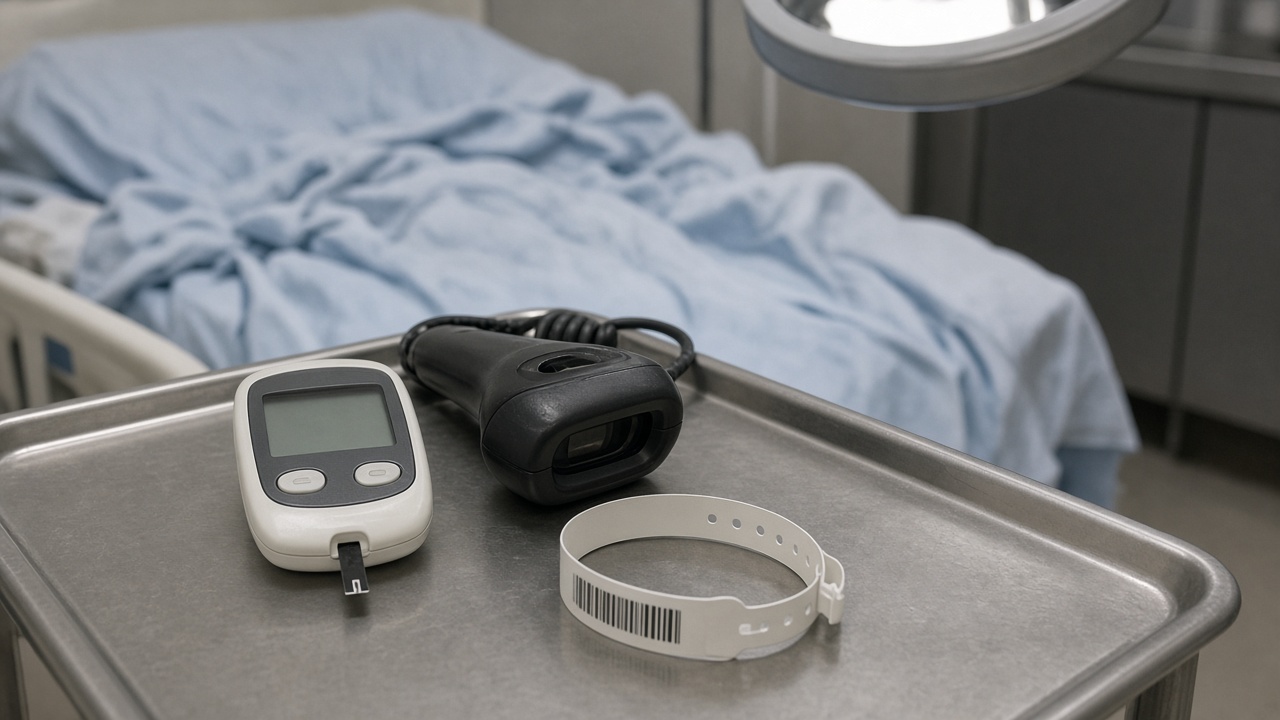
Nova Biomedical is correcting every StatStrip glucose hospital meter in the United States after the Food and Drug Administration warned that a software bug can leave the previous patient's information on screen, causing new test results to save under the wrong chart — a mistake that already led to inappropriate insulin dosing in one reported American case.
The Waltham, Massachusetts, company initiated the global correction in July, but the FDA published its safety alert this week as hospitals audit point-of-care devices ahead of flu season admissions. Nova has placed a shipment hold on new StatStrip systems while it validates a software update scheduled to roll out in phases starting November 2026.
How the error happens
StatStrip meters are common at nursing stations because they deliver quick glucose readings without sending every sample to a central lab. Staff typically scan a patient's wristband barcode so the result flows into the electronic health record automatically.
According to Nova's correction letter, when a caregiver scans a new patient ID, the meter screen may still display the prior patient's name and prior result. If the nurse accepts the stale information and runs the test, the new glucose value can file under the wrong medical record. Clinicians might then treat Patient A using Patient B's blood sugar — or miss a dangerous high or low in the patient who is actually in the bed.
Clinical stakes
The FDA classifies the issue as a device correction rather than a consumer recall because the hardware stays in service while hospitals implement workarounds. Still, the agency emphasizes that insulin and other glucose-responsive drugs magnify any data mix-up. Hyperglycemia left untreated can trigger diabetic ketoacidosis, while unnecessary insulin can drive hypoglycemic seizures.
Nova reported no deaths tied to the software flaw and said it received only the single U.S. adverse event describing inappropriate insulin administration. Nevertheless, the company urges facilities to train staff to clear the screen between patients, verify names aloud, and manually cross-check results before documenting medications.
What patients and families can ask
If you or a loved one is hospitalized and receives finger-stick glucose checks, ask the nurse to confirm your name on the meter display matches your wristband before the lancet touches skin. Request a read-back of the numeric result and ensure it appears in your patient portal or bedside whiteboard.
Outpatient visitors are unlikely to encounter StatStrip devices, but the correction is a reminder that hospital technology fails in mundane ways — stale screens, not dramatic hacks. Risk managers are supposed to file updates with their health system's biomedical engineering office; if your facility has not posted an alert, the FDA's MedWatch portal accepts patient reports as well.
Nova says it will notify customers when the validated software patch is ready and will schedule on-site updates for systems that cannot download fixes over the hospital network. Until then, human verification at the bedside remains the last line of defense.