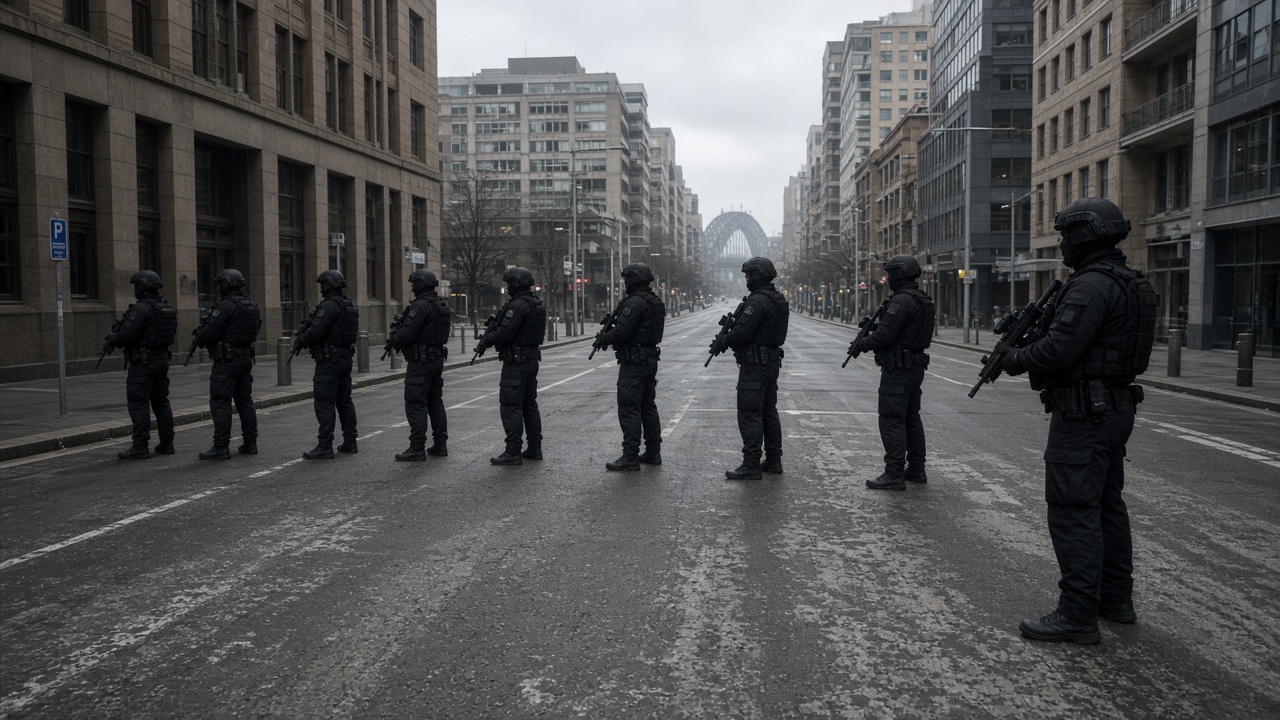
New South Wales Police will stand up a dedicated armed response command trained on long-barrel rifles, tactical medicine and rapid deployment—the state’s first unit built specifically to answer mass-casualty threats in public spaces after the Bondi Beach attack that killed 15 people last December.
Premier Chris Minns and police leaders outlined the $94 million program on Thursday, saying the command will be able to move outside major stadiums and festivals to protect crowded streets, transport hubs and religious gatherings. The announcement lands amid fresh security incidents in Sydney, including a police-station lockdown in Dee Why, but officials tied the new force directly to lessons from Bondi.
Training and rollout
About 250 officers will complete specialist weapons, advanced driving and communications training, according to briefings reported by SBS News and other outlets. The first cohort of 60 is scheduled to deploy on 1 November, with public training exercises planned so communities can see how teams will operate.
Minns said the December attack, in which gunmen targeted a Jewish religious festival on the beach, forced a rethink of how quickly armed police can reach an active threat when attackers move among civilians. “Things had to change,” he said in remarks carried by SBS.
Unlike general duties officers who carry handguns, members of the armed response command will carry rifles suited to engagements at longer distances in open areas. Police said the unit will coordinate with existing tactical groups but focus on visible deterrence and sub-minute response at high-risk sites.
Thursday’s briefing did not alter bail laws or firearms licensing for civilians. Instead, it channelled existing counter-terror funding into a standing roster that can surge to beaches, synagogues and stadium precincts without waiting for a declared major incident.
Scope and oversight
Officials did not publish a fixed list of locations where teams will patrol daily, saying deployments will flex with intelligence and event schedules. Civil liberties groups historically scrutinise militarised policing, and the government has not yet released detailed use-of-force protocols for the command.
Police said the investment includes upgraded communications to track teams in the field and share live video with commanders—capabilities they want ready before major summer events along the coast.
What residents will see
For Sydney and regional NSW, the practical change begins in November: more officers visibly carrying rifles at large gatherings, and rehearsed drills in public view. Minns framed the spending as insurance against another Bondi-scale event, not a comment on everyday crime rates.
Whether the command shortens response times in a real attack will depend on positioning and communication—variables the December inquiry continues to study. Thursday’s launch, however, makes clear that New South Wales is betting on specialised, rifle-armed teams as the centrepiece of its post-Bondi security posture.