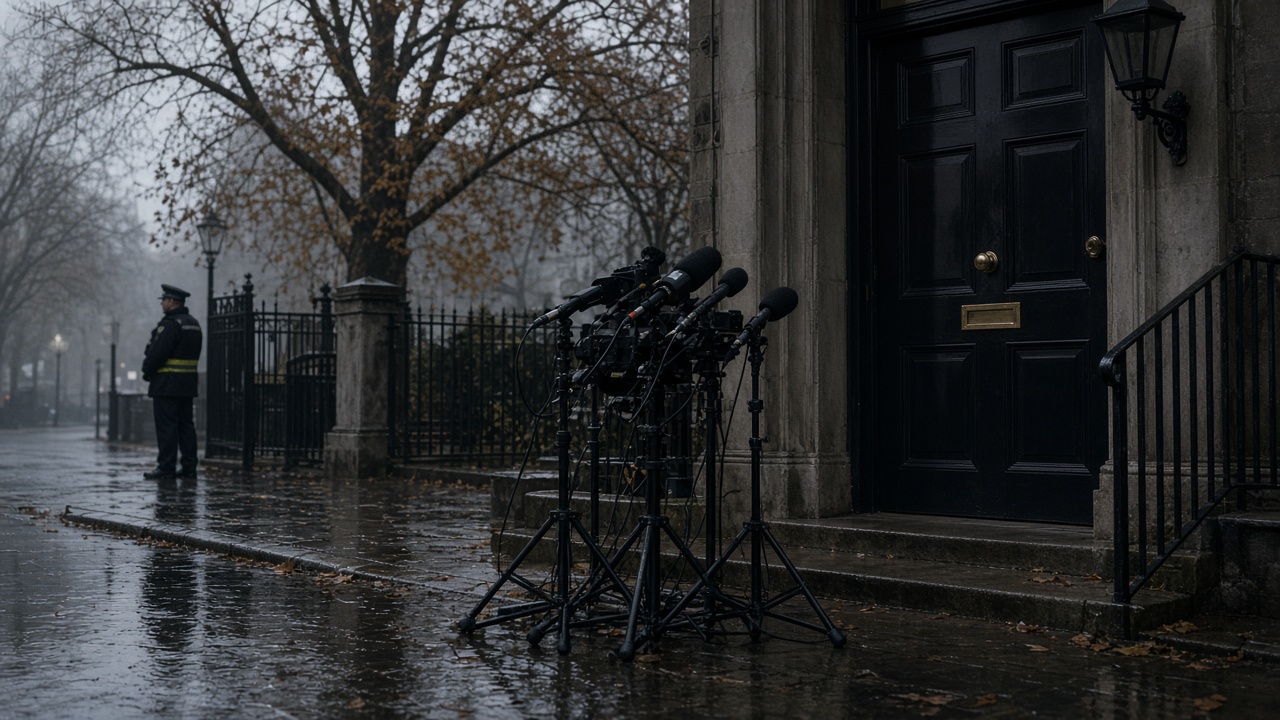
Downing Street locked the date of John Healey’s first fiscal statement for Friday 28 November, signalling that the chancellor will use the autumn window despite gilt market turbulence and Andrew Bailey’s public demand for credible plans.
Margaret Hale writes: officials briefed lobby journalists on Thursday morning that the statement would follow the usual OBR forecast round, with a shorter gap than some Treasury insiders had floated after the Iran-linked energy shock eroded fiscal headroom.
Calendar mechanics
The 28 November slot gives Healey five weeks to finalise tax and spend choices after Friday’s OBR pre-measures meeting. Cabinet committees on public spending have been recalled to review departmental bids trimmed in summer, with health and defence among the loudest claimants.
Prime Minister Keir Starmer’s spokesperson said the date “provides certainty to families and businesses” and dismissed comparisons to the 2022 mini-budget, noting that the OBR will publish full forecasts alongside the statement.
Energy politics
Treasury modellers are still costing the six-month VAT cut on electricity bills and targeted vouchers for poorer households. Backbenchers from northern constituencies want the support extended; officials argue any extension must be paired with identifiable revenue or cuts elsewhere.
Energy Secretary Ed Miliband is pushing for insulation funding in the same package, creating cross-department tension over whether green retrofit programmes count as investment or current spending under the government’s fiscal rules.
Market backdrop
Bailey’s Istanbul speech hung over the briefing. He did not comment on the date directly, but gilt yields eased only marginally after the announcement, suggesting traders await substance. Sterling traded flat against the dollar in afternoon dealing.
Business groups welcomed the fixed date. CBI director-general said firms need lead time for payroll and capex decisions, especially with the national living wage rising on October pay runs.
Opposition lines
Conservative chair Richard Fuller said Labour of “delaying bad news.” SNP Westminster leader Stephen Flynn demanded clarity on block grant adjustments if Barnett consequentials shrink. Liberal Democrat Treasury spokesperson Sarah Olney pressed for capital-gains reform to fund social care.
What comes first
Before 28 November, Healey faces IMF and G20 travel, local election campaigning in some metro areas, and ongoing talks with bank CEOs about a potential surcharge adjustment. None of those are substitutes for the fiscal statement itself.
Number 10’s decision to stop the date speculation early is a bet that transparency calms markets more than surprise would. After Bailey’s warning, Healey has little choice but to make the numbers add up — on the record, in November.