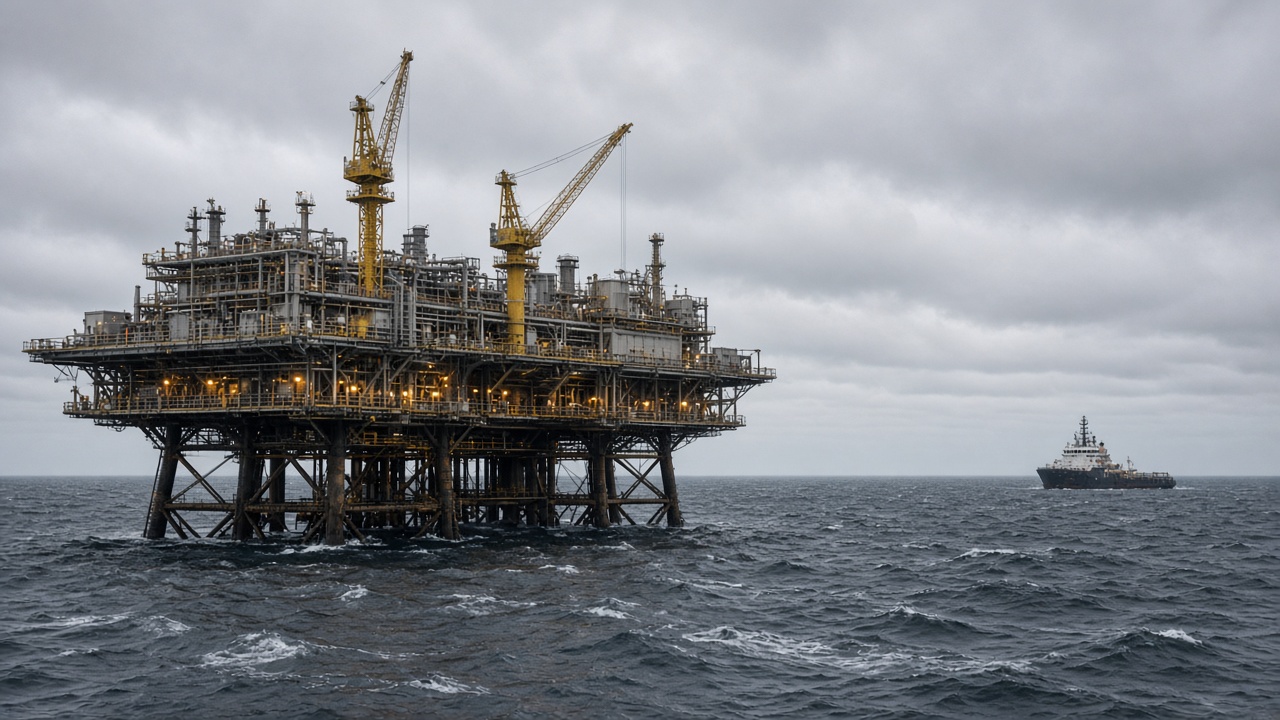
Offshore Energies UK told members on Thursday that North Sea maintenance deferrals are starting to bite just as the winter gas forward curve steepens, leaving producers juggling safety-critical work with contracts priced off a market still sensitive to Middle East supply shocks.
The trade body’s weekly operations note, circulated to operators from Aberdeen to Humberside, flagged several floating production units where gearbox overhauls and flare-tip inspections slipped into October after summer weather windows closed. None of the delays were framed as safety breaches, but the memo warned that overlapping outages could tighten UKCS flows into November if Gulf-linked LNG diversions continue to pull cargoes east.
Why maintenance timing matters now
British Gas owner Centrica and other retail suppliers already model winter margins against forward curves that moved after Brent pushed back above $100. OEUK’s message to ministers and regulators is blunt: deferring work to protect quarterly volumes can store up reliability risk when cold snaps arrive. Several members reported hiring extra rope-access crews to clear backlog on Forties-linked infrastructure before forecast North Sea gales next week.
For households, the connection is indirect but real. The price cap methodology leans on wholesale assessments months ahead of delivery; a sustained move in near-term gas often feeds into tariff guidance before spring. Energy analysts at Cornwall Insight said Thursday that volatility in NBP day-ahead contracts remains the single biggest swing factor for Q1 2027 cap scenarios, even with the government’s six-month electricity VAT reduction in place.
Producer responses
Shell UK declined to comment on specific assets but pointed to its published maintenance schedule, which shows a heavy fourth-quarter programme on southern North Sea hubs. Harbour Energy, the largest London-listed independent producer, said it is prioritising compressor work on fields tied to the SEGAL pipeline system so Norwegian imports can backfill any UKCS shortfalls.
Union officials on the UKCS said they had not been notified of new layoffs, but warned that cost discipline after the windfall tax debate could pressure contractors to run leaner crews through winter. OEUK chief executive David Whitehouse used a LinkedIn post to urge the Treasury to recognise that investment allowances only help if projects can actually be executed on schedule.
What regulators are watching
The North Sea Transition Authority tracks voluntary production plans but does not sign off individual shutdowns. A spokesperson said the regulator expects operators to honour safety cases regardless of price spikes. Meanwhile, National Grid’s gas national control centre has held twice-weekly coordination calls with terminal operators at Bacton and St Fergus as LNG send-out patterns shift.
Downstream, chemical plants on Teesside reported steady nominations, though one polyethylene line took a short unplanned outage Wednesday when a third-party pipeline pressure alarm tripped. Traders said the event barely moved hub prices but illustrated how tight the system feels compared with last year’s mild winter.
Outlook for bill payers
Comparison sites are already nudging fixed-deal shoppers toward shorter contracts, betting that geopolitical risk premia fade after the US election cycle. OEUK’s note cautioned against that complacency: even without a physical shortage, a string of overlapping platform stops could lift within-day prices enough to ripple into retail hedging costs.
Chancellor John Healey’s team is modelling energy support alongside the 28 November statement; Treasury officials privately say gas curve moves have erased a slice of the fiscal buffer Rachel Reeves built in March. For now, the immediate question on the UKCS is whether crews can clear the maintenance queue before the first sustained cold spell — and whether forward markets believe them.