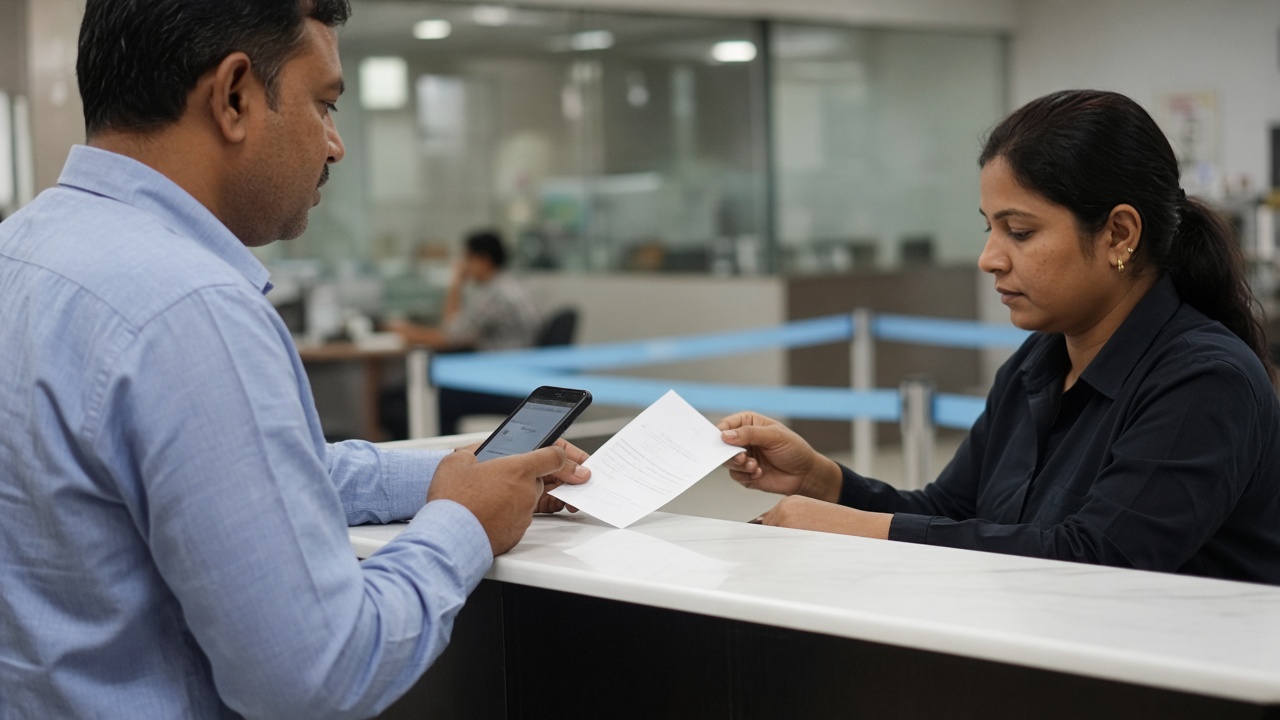
Bank SinoPac is promoting zero-fee mobile transfers for Taiwan Power and water utility payments through its banking app during the Double-Ten holiday stretch, aiming at households that batch government bills before October statement dates hit credit-card revolvers.
What the promotion covers
The campaign applies to designated utility merchant codes when customers pay via SinoPac’s mobile banking channel rather than convenience-store kiosks. Waived fees cover the bank’s own transfer charges; cardholders still owe any amounts billed by Taipower or local water districts.
SinoPac said the window aligns with peak travel and family gatherings, when missed due dates are more common. Utility firms typically assess late penalties after printed cutoff dates, not the bank posting time, so customers should still confirm receipt in the app’s transaction history.
Why issuers push bill pay now
Taiwanese banks compete for primary-card status by owning recurring household payments. Electricity and water are sticky: once autopay is set, customers rarely move unless another issuer bundles a richer cashback cap.
With foreign travel surging around National Day, issuers also want wallet share on FX transactions while keeping domestic utility relationships on their rails. Zero-fee transfers are a low-cost hook compared with raising cashback ceilings that hit interchange economics.
Revolving-balance context
Financial Supervisory Commission statistics show revolving credit card balances remain a watched metric for household stress. Encouraging on-time utility pay through mobile channels reduces accidental minimum-pay behavior when customers forget kiosk deadlines during holidays.
Cardholders who float utilities on credit should still read their revolving APR tables—Mega Bank, Taishin, and Land Bank disclosed tiered rates this month tied to benchmark adjustments. A zero transfer fee does not change interest on unpaid statement balances.
Security habits
Banks remind users to update apps before traveling and to avoid bill-pay links sent through unsolicited chat messages. Police consumer advisories this autumn highlighted impersonation messages tied to e-commerce refunds; utility-themed messages also rise when billing cycles cluster around holidays.
Enable transaction push alerts and separate login passcodes from SMS one-time codes where the app supports hardware tokens or device biometrics.
Practical checklist
If you consolidate bills: photograph meter readings before leaving town, schedule payments two business days early to survive holiday processing gaps, and keep PDF receipts for landlord reimbursements. For multi-card households, pick one issuer for utilities and another for travel rewards to simplify reconciliation when statements arrive in mid-October.
Autopay pitfalls
Customers who recently changed mobile numbers should update bank profiles before enabling autopay, because one-time passwords may still route to old SIMs. SinoPac’s help desk said call volume typically spikes the first weekday after long holidays when autopay attempts fail on expired cards.