The Trump administration moved Thursday to choke one of the most heavily used U.S. pathways from H-1B skilled visas to permanent residency, suspending eight large employers from the Permanent Labor Certification Program and accusing several Indian information-technology giants of systematic misuse alongside American software leaders.
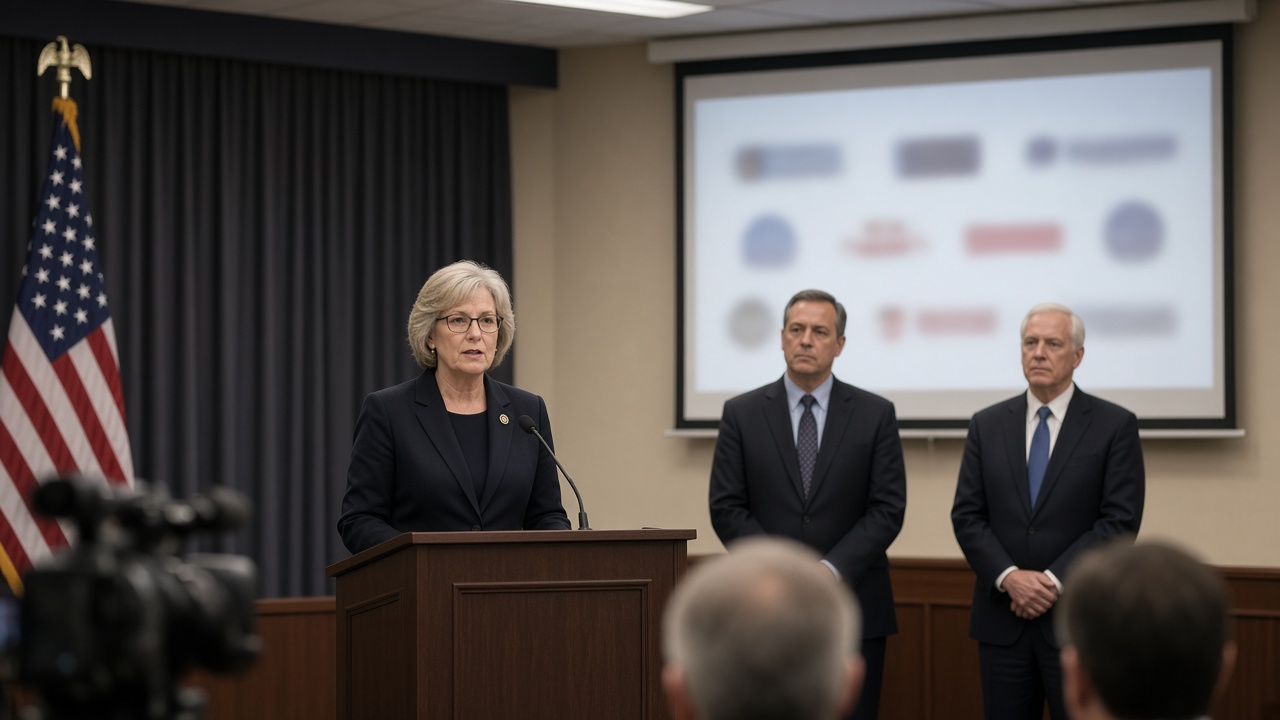
At a Washington briefing, Labor Secretary Keith Sonderling said multiple federal investigations are underway into how companies use PERM, the employer-sponsored program that lets firms attest they cannot find qualified U.S. workers before green-card sponsorship proceeds. Vice President JD Vance named Microsoft as the worst domestic offender in his telling, saying “there has been no company in the United States, unfortunately, that has abused this system more than Microsoft,” while also listing Adobe and offshore-heavy contractors Cognizant Technology Solutions, Infosys, Tata Consultancy Services, Wipro, HCL Technologies and Capgemini.
What the suspension blocks
A PERM suspension does not automatically revoke existing green-card petitions, but it stops new labor certifications while the Labor Department reviews compliance. For Indian engineers and analysts whose careers have long moved from Bengaluru or Hyderabad project benches to U.S. client sites, the announcement lands as a sudden bureaucratic wall: permanent residency timelines that already stretch for years can stall entirely if employers cannot file fresh certifications.
Indian markets opened Friday with IT services stocks on watch, though early moves also reflected global oil and rate signals. The policy is explicitly framed as protecting American workers; Sonderling emphasized that sponsors must genuinely recruit domestically. Critics of the program have argued for years that some outsourcers cycle foreign staff through U.S. offices in patterns that undercut wage floors, a charge the named companies have historically disputed in filings and public statements.
Parallel crackdown on university exchange visas
Almost simultaneously, the administration said it opened fraud investigations into J-1 exchange visitors at nine elite universities, including Harvard, Stanford and the Massachusetts Institute of Technology. J-1 visas often cover international doctoral students and visiting scholars rather than corporate bench talent, but the twin announcements signal a broader tightening of legal immigration channels the tech and research sectors rely on.
Vance cast the PERM action as part of a migration crackdown that includes both undocumented enforcement and scrutiny of visas Congress created for skilled labor. For India’s export-oriented IT sector—still one of the country’s largest private employers—the suspension raises operational questions about how U.S. clients staff long-term digital transformation contracts when onsite leadership cannot plan around green-card sponsorship.
What employers and workers watch next
Sonderling did not publish a fixed calendar for reinstatement, saying reviews would depend on investigation findings. Immigration attorneys expect a rush of alternative strategies—transfers among non-suspended entities, renewed emphasis on non-immigrant visa renewals, and possible litigation challenging the breadth of the suspensions.
For policymakers in New Delhi, the move arrives amid ongoing trade and energy diplomacy with Washington; Indian officials have not yet issued a formal response as of Friday morning India time. The immediate practical effect, though, is visible in HR inboxes: thousands of employees whose PERM filings were queued for October may wait indefinitely while Microsoft, Adobe and the named Indian majors negotiate with federal investigators over how they recruit, advertise and pay for roles that were slated to become permanent.