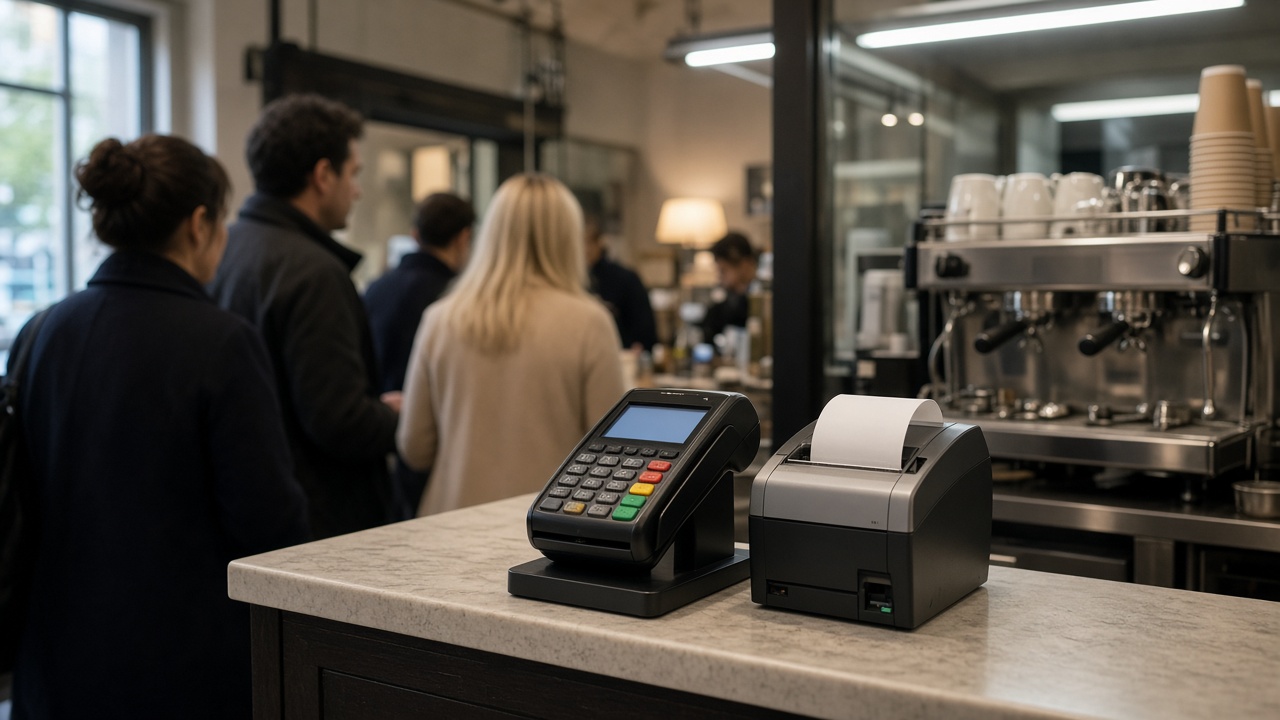
Retail and hospitality lobbyists blasted the Albanese government this week over plans to wind back aggressive policing of illegal card surcharges, saying households already squeezed by Friday’s mortgage repricing should not face fresh “tap taxes” at the checkout. ABC’s parliamentary roundup reported Treasury faced a separate political storm from the migration debate as consumer groups demanded clarity on which surcharge practices remain banned.
What changed in Canberra
While Opposition Leader Angus Taylor dominated headlines with a 650,000-person cut to temporary migration, government backbenchers spent question time defending a quieter competition policy shift: easing enforcement timelines on businesses that levy card fees above the cost of acceptance. Treasury officials told industry roundtables the move prioritises education over immediate penalties for first-time offenders, according to participants briefed on the sessions.
Gemma Walsh, politics reporter for InfoHandle, said the timing collided with the Australian Competition and Consumer Commission’s long-running campaign against excessive surcharges after tap-to-pay became ubiquitous. Cafés in Sydney’s inner west reported customers already asking whether new 1.5 percent fees comply with the law.
Why surcharges matter now
Card payments cost merchants interchange plus scheme fees; regulations allow passing through actual costs with transparency. Abuse occurs when flat dollar fees exceed costs or when businesses surcharge debit transactions that are cheaper to process. Consumer advocates argue lax enforcement normalises surcharges on low-margin groceries, hitting renters who lack offset accounts to absorb mortgage hikes.
Industry pushback
The Australian Retailers Association said members want certainty, not a pause on penalties while inflation moderates. Franchisees claimed they were misled by outdated signage templates from head offices. Treasury responded that a phased compliance calendar helps small firms update EFTPOS configurations without mass fines.
Payment platforms Square and Tyro declined to comment on enforcement changes but noted terminals can cap surcharge percentages when merchants opt in.
Political risks for Labor
Coalition spokespeople linked surcharge softness to broader cost-of-living pain, hoping to pivot attention from their migration costings. Greens senators asked whether Treasury modelling counted surcharge creep in household stress indices. The government needs suburban seats where mortgage shocks and grocery prices dominate talkback.
What consumers can do
ACCC guidance still prohibits excessive surcharges; customers should request breakdowns and report repeat offenders. Paying with debit where cheaper, carrying cash for minimum-fee venues, and using bank apps that flag surcharge-free merchants remain practical tactics regardless of enforcement tempo.
Next steps
Treasury is expected to publish updated FAQ material before the holiday retail season. If surcharge complaints rise while mortgage rates sit above 6 percent, the government may reinstate stricter audit waves—political pain travels faster than policy papers.
State counterparts
NSW Fair Trading and Consumer Affairs Victoria said they would continue accepting surcharge complaints even if federal enforcement cools, creating a patchwork small businesses must work through. Franchise systems that centralise EFTPOS pricing may move faster than independent cafés still displaying pre-2024 signage.
Digital wallets
Apple Pay and Google Pay transactions still attract the same underlying scheme fees as plastic, meaning surcharges on tap-to-pay phones are not inherently cheaper for merchants. Treasury briefings noted that educating consumers on debit versus credit selection could cut costs more than litigation alone.