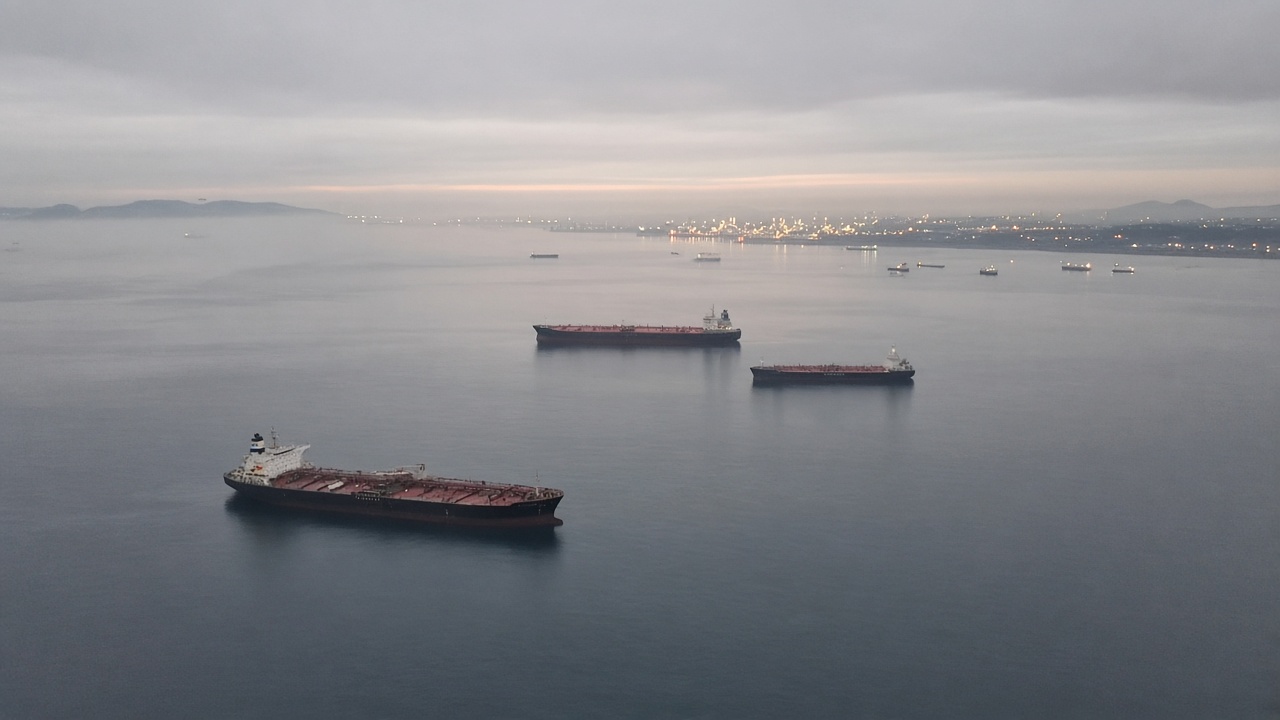
President Donald Trump told Americans late Thursday that the United States would not launch military strikes against Iran at any point before the November 3 midterm elections, a public restraint pledge that arrived as global oil benchmarks retreated from recent war-driven highs and traders weighed whether the Strait of Hormuz could stay open through the autumn.
In a post on Truth Social, Trump said Washington was having “productive discussions” with the Islamic Republic and added a blunt calendar marker: “We will not be attacking Iran at any time prior to the midterm elections to be held in the United States on November 3rd.” The statement did not spell out what form those talks have taken or whether any ceasefire terms were on the table, but it directly addressed weeks of market anxiety that a pre-election attack could widen the U.S.-Israel war on Iran.
What changed in the Gulf overnight
Even as Trump’s message landed, Iranian outlets reported what they described as massive explosions in the southern reaches of the Hormuz strait. Fars news agency, citing unnamed military sources, suggested tankers that used unauthorized routes may have struck sea mines. Separately, a senior Islamic Revolutionary Guard Corps navy political deputy said Iranian forces have been conducting operations every night in the strait against vessels Tehran considers to be violating its rules.
The juxtaposition matters for shippers and refiners. A presidential promise to hold fire does not, by itself, reopen a lane that insurers have priced as a war zone. Yet front-month crude contracts eased in early Friday trading in Asia as some participants treated Trump’s words as a signal that the White House wants to keep gasoline prices from becoming a ballot-box issue.
Tehran’s diplomatic clock
Iranian Foreign Minister Abbas Araghchi said Tehran is reviewing the U.S. response to Iran’s seven-day plan to reopen the Strait of Hormuz and that Iran would answer within the next few days. That timeline keeps diplomacy alive without guaranteeing a deal. On Monday, Iranian President Masoud Pezeshkian had called negotiations with Washington “futile,” accusing the U.S. of using talks as cover for attacks—a charge U.S. officials reject.
Vice President JD Vance, speaking Tuesday, said Iran must make a “meaningful” reduction in uranium enrichment capacity as part of any agreement to end the war. Nonproliferation specialists noted that formulation as a potential shift from earlier U.S. demands that Tehran abandon enrichment altogether, though neither side has published a written framework.
Regional spillover
The conflict’s shock waves continued beyond the Persian Gulf. Saudi Arabia said it intercepted three ballistic missiles aimed at two cities, according to regional security updates on Friday, while humanitarian officials warned that escalation risk across the Middle East remained acute. Russian President Vladimir Putin told Pezeshkian on Thursday that Moscow would “do everything” to help end the U.S.-led war on Iran, Russian news agencies reported, adding another diplomatic channel without promising a breakthrough.
For U.S. voters, Trump’s no-strike-before-November line creates a defined window: campaigns can plan around the idea that major new American offensive action against Iran is off the table until after ballots are counted. For Gulf allies and European capitals, the open question is whether nightly IRGC enforcement in Hormuz and reported mine incidents will erode the price relief faster than diplomacy can rebuild insurer confidence.