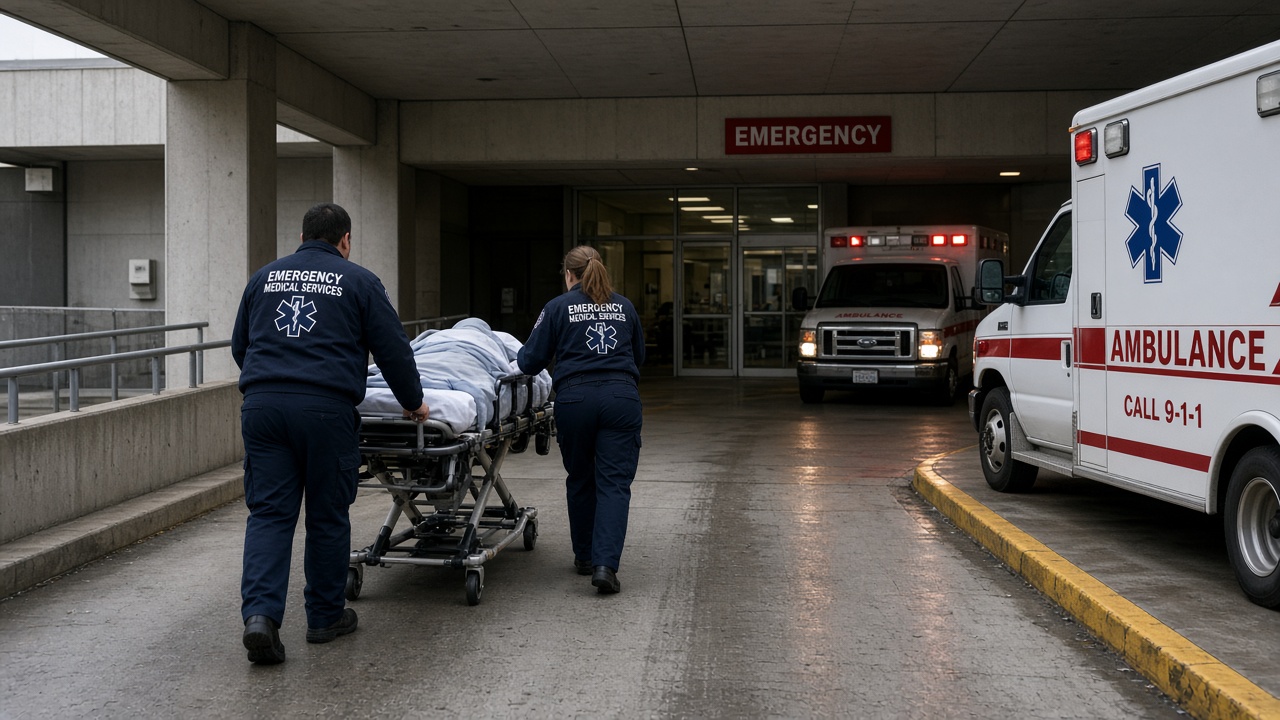
All India Institute of Medical Sciences in New Delhi rolled out a protest-weekend trauma surge protocol on Saturday, 10 October 2026, adding fast-track beds for orthopaedic and eye injuries while keeping fever clinics open for dengue and influenza-like illness. Sameer Khan’s health desk confirmed the internal circular after Delhi Police deployed thousands of officers around demonstration routes.
Hospital adjustments
Trauma surgery teams extended shifts to 16 hours, with elective cases postponed except oncology emergencies. Ophthalmology prepared for rubber-bullet and tear-gas related injuries seen in prior unrest seasons. Blood banks coordinated with Indian Red Cross societies to pre-position O-negative units near central Delhi.
Outpatient departments urged stable chronic patients to use teleconsult lines because road closures delayed ambulances from satellite towns.
Seasonal overlap
Greater Chennai Corporation data earlier in the week showed dengue hotspots falling to 300 zones, but northeast monsoon rains threaten a rebound. AIIMS linked its fever triage with municipal corporation reporting so travellers from Tamil Nadu carrying dengue are flagged at admission.
Advice for residents
Avoid protest cores if you are not participating; carry medical IDs if you have asthma susceptible to irritants. Use the 112 emergency line for trauma and 1930 for cyber fraud unrelated to hospital care.
Satellite hospitals Safdarjung and Ram Manohar Lohia mirrored AIIMS staging plans. If casualty volumes stay low by evening, surge beds will revert to dengue season readiness on Sunday.
Neighbouring facilities
Lady Hardinge Medical College opened paediatric observation beds for families stranded by Metro closures, while private hospitals in Gurugram reported higher walk-in orthopaedic cases from commuters who fell on crowded escalators at open interchange stations.
Mental-health helplines staffed by SUMAN volunteers extended hours, anticipating anxiety spikes among students unable to reach exam centres.
Documentation for insurers
IRDAI reminded cashless networks that protest-related injuries remain covered under standard health policies unless exclusions for unlawful assembly apply; hospitals must code cases accurately to avoid claim denials.
Staffing and supplies
Pharmacy inventories added extra vials of ocular irrigation fluid and orthopaedic splints at satellite stores along Ring Road so ambulances need not enter the main campus for restocking. Resident doctors’ association representatives said fatigue protocols cap consecutive trauma shifts at two before mandatory rest, a lesson invoked after the July NEET protest weekend.
Public relations officers scheduled hourly briefings for accredited media to reduce corridor crowding that can obstruct gurneys.