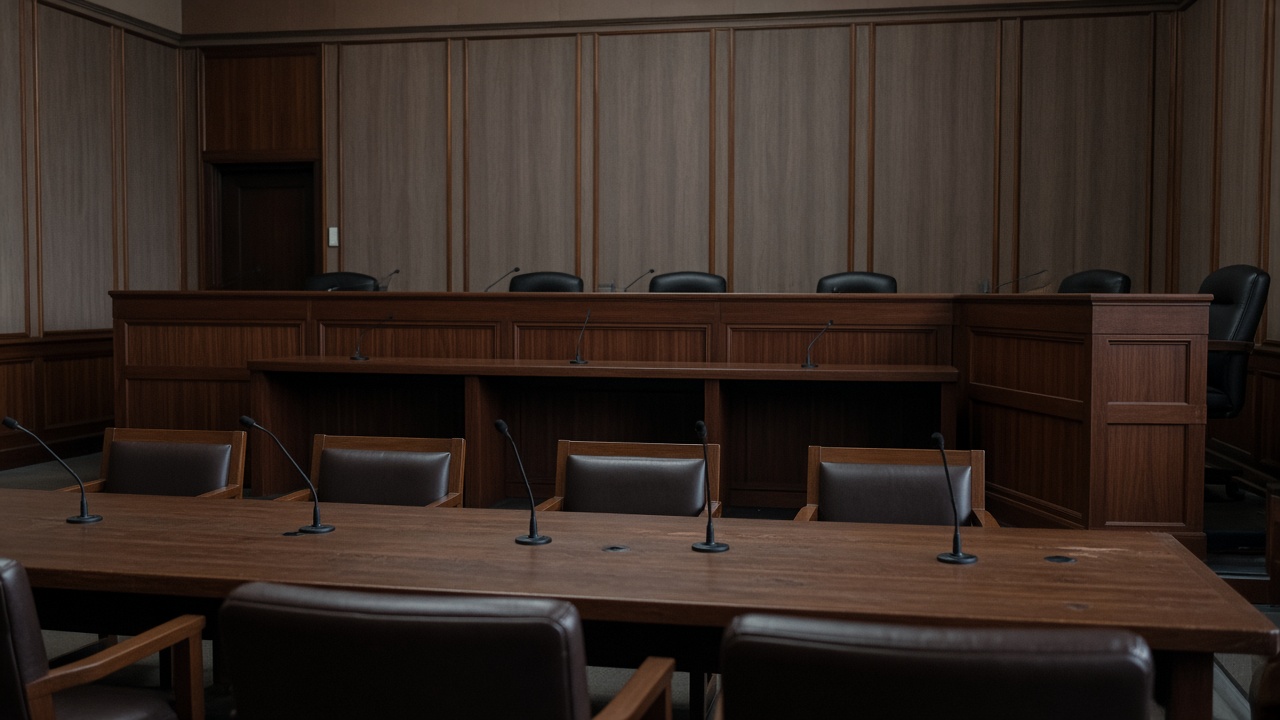
South Korea’s National Assembly Trade, Industry and Energy Committee summoned executives from SK Innovation, S-Oil, and HD Hyundai Oilbank for a Monday hearing on how refiners disclose naphtha hedges to downstream petrochemical buyers. The panel acted after Lotte Chemical delayed a Yeosu cracker turnaround and converters complained that formula contract resets lack transparency when Middle East risk spikes.
Opposition lawmakers want monthly reports on open interest in naphtha swaps linked to domestic formula pricing, plus an explanation of why some hedges sit in offshore entities. Government witnesses from the Ministry of Trade, Industry and Energy will attend but cannot compel proprietary trading detail without statutory changes.
What buyers want
The Korea Petrochemical Industry Association asked for a standardized “hedge pass-through” line in contracts, similar to fuel-cost adjustments on power bills. Members said unexplained spikes force them to accept ethylene prices even when crack spreads widen for refiners with successful paper positions.
Refiners counter that hedges protect run rates and employment when crude jumps, and that publicizing books would aid speculators. They offered aggregated, lagged disclosure instead of trade-level data.
Political timing
The hearing lands between Hangul Day and Tuesday’s Kospi reopen, a window when voters focus on pocketbook inflation more than index levels. Ruling-party members may push for voluntary templates; the opposition is threatening audit subpoenas if firms stonewall.
Energy analysts said the fight is really about who keeps margin when Brent holds above $103 — refiners with hedges, or crackers without them. Assembly theatrics will not lower naphtha prices, but they can change how Korean industrial contracts read for 2027.
Analyst view
Commodity strategists at two Seoul brokerages said disclosed hedge ratios could narrow the spread volatility that petrochemical buyers fear, but only if reports arrive before formula resets. They cautioned that overly detailed books might move Singapore swap markets against Korean refiners trying to lock margins.
Industrial gas users outside the association said they were not invited to testify Monday, yet their power costs move with naphtha when utilities pass fuel adjustments through. A unified disclosure template could therefore affect more than plastics makers alone.
Desk notes
Traders and officials interviewed Friday said the Hangul Day calendar compresses decisions that normally spread across two cash sessions, making derivatives and policy announcements louder than usual. Several sources asked not to be named because their institutions bar holiday comments to media.
Consumer groups urged clearer app disclosures before Tuesday’s Kospi reopen, when portfolio screens will jump from frozen marks to live auction prints. Schools reopening next week add another layer of flu and travel risk that intersects with the policy moves described above.