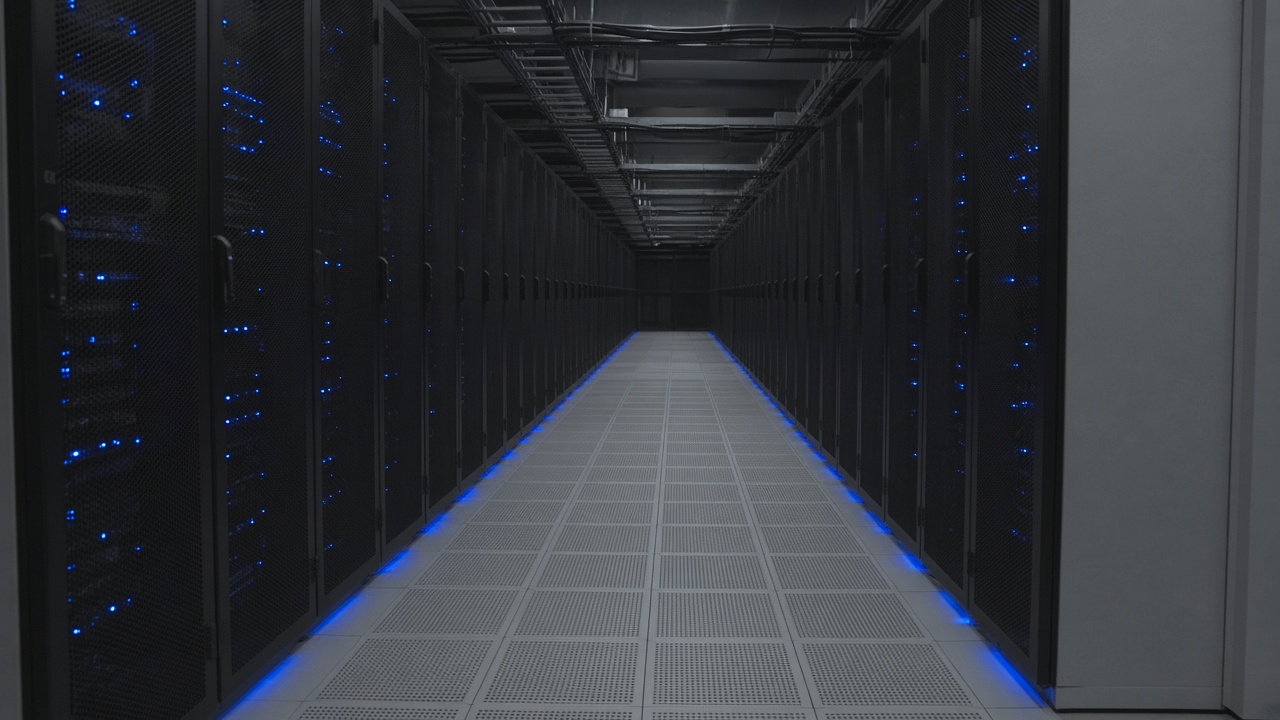
Engineers at the Centre for Development of Advanced Computing started integration tests on an air-gapped large-language-model gateway meant for state-owned data centres, a MeitY-backed stack that keeps inference inside sovereign racks instead of public cloud APIs. Ananya Krishnan’s AI desk confirmed the pilot aligns with IndiaAI Mission compute subsidies announced for government use cases after security auditors flagged outbound HTTPS calls from welfare portals experimenting with chat assistants.
Architecture
The gateway exposes a REST interface compatible with common open-weight model formats but brokers requests only to GPUs installed in the same facility. Administrators upload model weights via sneakernet-approved media; telemetry and crash logs never leave the enclave. A lightweight policy engine strips prompts containing Aadhaar numbers, PAN patterns or court-sealed identifiers before they hit the inference worker.
C-DAC’s Pune lab is the first site; Karnataka and Gujarat state clouds are queued if latency budgets clear acceptance tests. The stack is not a consumer chatbot—it targets document summarisation for procurement files and ticket triage on internal IT desks.
Why air gap now
Central ministries raced to deploy generative assistants on citizen portals after state elections accelerated digital service rollouts. MeitY’s red-team exercises in September showed that even “anonymous” citizen queries could leak geolocation metadata when routed through overseas-hosted models. Auditors therefore required either sovereign hosting or disconnection.
Trade-offs
On-prem inference sacrifices the newest frontier-model features for control. C-DAC is fine-tuning smaller bilingual encoders rather than importing trillion-parameter checkpoints that would overwhelm state budgets. Latency targets are 800 milliseconds for 512-token summaries—acceptable for back-office, not for real-time call-centre voice.
Startups in the IndiaAI cohort may still sell managed services, but only if they deploy appliances certified by the gateway’s hardware security module requirements.
What changes for agencies
Departments already running pilots must migrate to the gateway API by January or shut public-facing bots. Training budgets shift from API tokens to GPU depreciation. For citizens, the visible effect is slower rollout of Hindi and Tamil chat help, but fewer data-sovereignty headlines.
The desk will track whether states with weaker power backup can keep GPUs cool during summer peaks—air gap does not help if racks trip on load shedding.
Budget and procurement
State IT departments budgeted GPU racks through centralised GEM tenders; C-DAC’s gateway spec will become a mandatory technical evaluation clause in those tenders from December. Vendors offering only SaaS APIs must partner with integrators who can ship sealed appliances.
Academic reviewers noted the pilot uses distilled models that may hallucinate on legal citations; human sign-off remains mandatory on any outward-facing summary.
Interstate coordination
NIC email seen by the desk asks state secretaries to nominate single points of contact for gateway onboarding workshops in November. Failure to nominate does not block citizen services, but it delays chatbot pilots tied to IndiaAI Mission milestone payments.