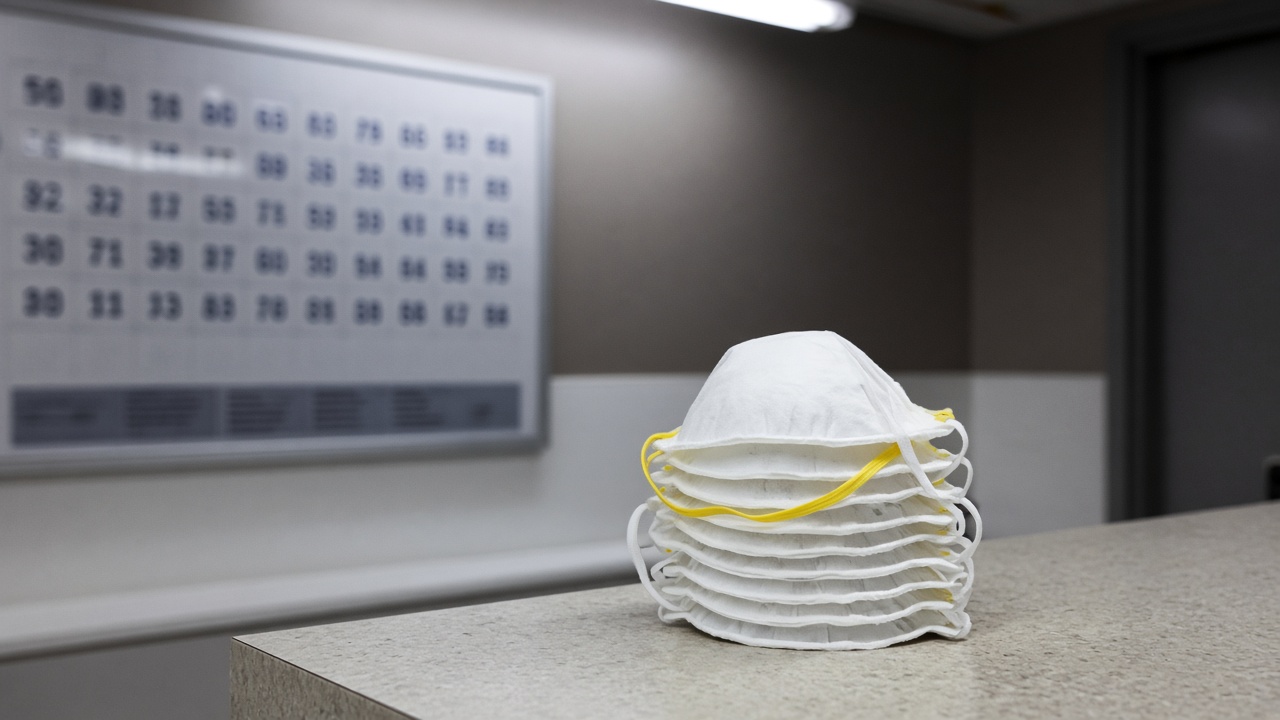
Singapore’s Haze Task Force said on Friday night it has stockpiled N95 respirators for vulnerable residents should the 24-hour Pollutant Standards Index cross 200 into the very unhealthy range, while the Ministry of Education will weigh school closures only when next-day forecasts exceed 300.
NEA’s evening forecast placed Singapore in the unhealthy to low very unhealthy band through the weekend as smoke from southern Sumatra and Kalimantan continued to drift in on southeasterly winds. At 5 p.m., central PSI hit 192, with one-hour PM2.5 readings between 91 and 134 micrograms per cubic metre in the elevated band.
Who gets masks first
The task force said distribution will target seniors, pregnant women and residents with chronic heart or lung conditions once the 24-hour PSI breaches 200. Community centres and grassroots networks will handle last-mile delivery, repeating a playbook last used when regional fires thickened in 2019.
Schools and PE lessons
MOE told parents it will consider closing schools when the next-day forecast enters the hazardous band above 300. Until then, principals may suspend physical education and outdoor camps; several schools already moved recess indoors on Friday. Parents interviewed by CNA sent children out with masks and cancelled enrichment classes in open fields.
Clinics see steady cough load
GP clusters reported more haze-related visits this week, though hospitals have not activated surge wards. Pharmacists said N95 sales doubled at heartland outlets even before official distribution triggers, prompting the task force to warn against hoarding sizes that health workers need.
Grand prix weekend overlap
Singapore GP organisers said contingency plans include on-site masks and medical posts, but public health officials stressed that night race attendees should monitor hourly PM2.5, not only 24-hour averages designed for planning.
Residents can check myENV and www.haze.gov.sg; those with wheeze or chest tightness at rest should seek care rather than waiting for PSI headlines to improve.
Employers with outdoor worksites must issue risk assessments under workplace safety rules; construction sites around the port reported more frequent water misters and mandatory mask breaks. Eldercare centres activated air purifiers donated during previous haze seasons and limited balcony activities.
Pharmacy chains placed purchase limits on pediatric masks to keep inventory for clinics, while telehealth providers extended evening slots for cough consultations without requiring in-person queueing.
Volunteer groups that distribute masks during previous crises said they stand ready to activate within hours if PSI crosses 200, provided NEA releases the warehouse pick lists early enough for vans to reach seniors who do not use smartphones.