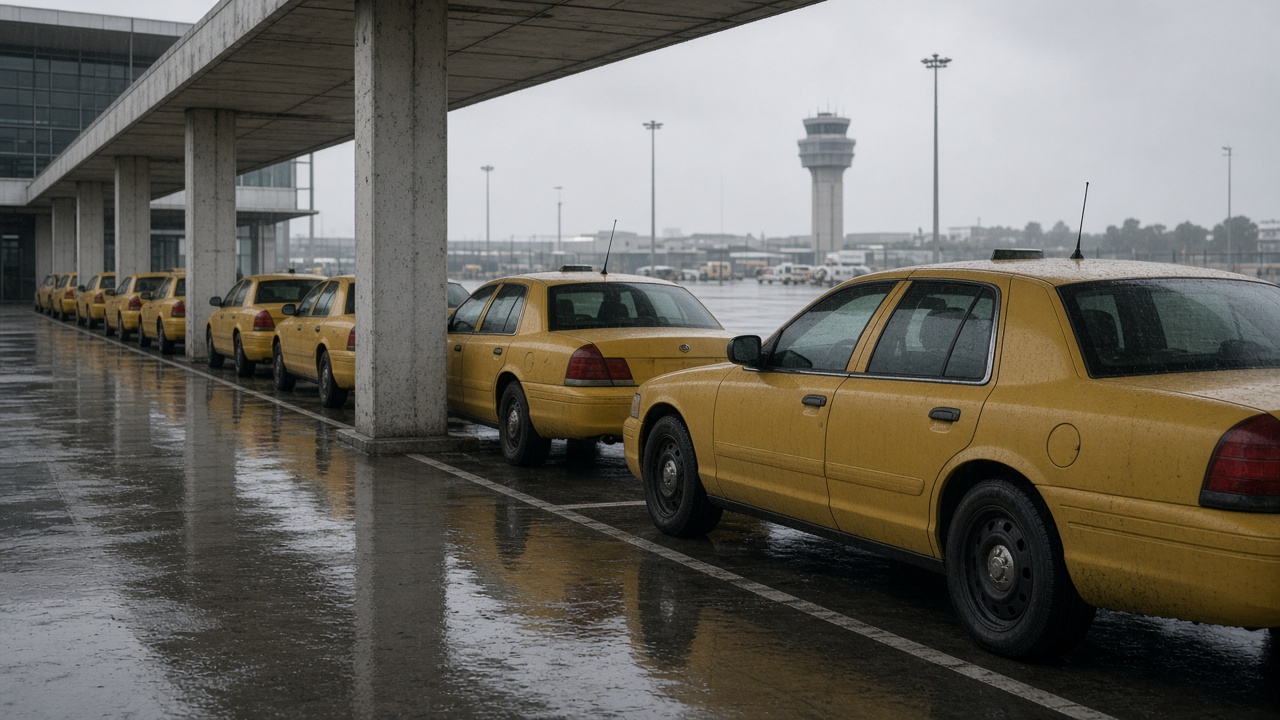
Kakao Mobility began a passwordless taxi-hailing pilot in Incheon International Airport’s official queue lanes Friday, letting arriving passengers match to licensed cabs by scanning a QR stand that checks airport Wi-Fi attestations instead of typing phone passwords. Airport police backed the trial after a spring surge in fake “dispatcher” middlemen charging flat premiums to tired travelers.
Passengers who already use Kakao T see a banner when their phones join the airport’s public network. Tapping through creates a one-time session bound to the vehicle plate registered for that curb row. Drivers confirm pickup in their taximeter-linked app without exchanging SMS codes.
Security model
Kakao said the flow uses FIDO-style device keys stored in the phone’s secure enclave, with airport network certificates preventing off-site replay. If a rider steps outside the geofence, the session expires. Incheon’s operations center can revoke a stand’s QR if fraud reports spike.
Privacy advocates asked whether Wi-Fi attestations retain MAC addresses; Kakao’s white paper says only hashed tokens persist for 72 hours for dispute resolution.
Driver union view
Seoul Private Taxi Association leaders called the pilot “narrow but fair,” provided airport management does not steer all traffic to Kakao. Independent drivers outside the queue lanes can still take street hails; the test covers only numbered rows near Terminal 1 arrivals.
What comes next
If incident logs stay clean through Chuseok return week, Kakao will propose expanding to Gimpo’s domestic terminal. Transport ministry officials want a standardized curb API so rival apps can issue the same attestations without locking airports to one vendor.
For travelers landing during Hangul Day’s quiet markets, the change is practical: fewer clipboard touts, and a ride home that does not begin with sharing a one-time password in a crowded hall.
Airport operations
Incheon’s ground-transport office said curb cameras will log QR stand IDs alongside plate numbers for dispute mediation. Lost-and-found teams were briefed on how to reach Kakao sessions if passengers leave bags in trunks.
Competing ride apps asked for read-only access to stand occupancy counts; airport officials promised a neutral data feed after the pilot ends.
Desk notes
Traders and officials interviewed Friday said the Hangul Day calendar compresses decisions that normally spread across two cash sessions, making derivatives and policy announcements louder than usual. Several sources asked not to be named because their institutions bar holiday comments to media.
Consumer groups urged clearer app disclosures before Tuesday’s Kospi reopen, when portfolio screens will jump from frozen marks to live auction prints. Schools reopening next week add another layer of flu and travel risk that intersects with the policy moves described above.