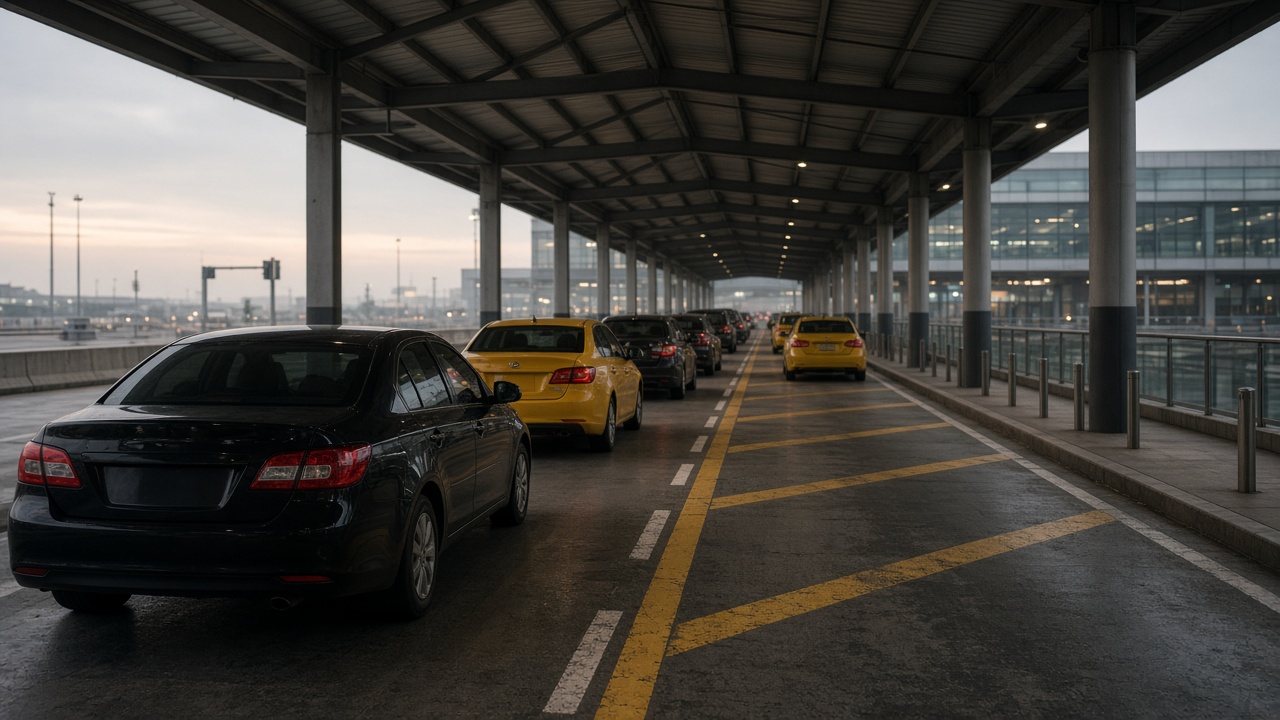
Kakao Mobility rolled passkey-based taxi hails in Incheon Airport queue lanes on Friday, letting travelers returning from the long holiday match licensed cabs without SMS one-time codes that often fail when phones still run foreign SIM profiles.
How the queue integration works
Passengers who completed identity verification in Kakao T before departure can tap a QR placard at Terminal 1 gates 5C–6D and Terminal 2 gate 4D to bind a ride to the airport's integrated dispatch lane. The app shares queue position with Incheon's taxi pool monitor so drivers cannot skip the line by accepting off-app pings. Airport officials piloting unified dispatch said digital hail cuts arguments over regional stands because the system assigns the next legal cab regardless of destination band.
Why passwordless mattered this week
Chuseok return traffic overloaded manual SMS verification as roaming lagged. Kakao's passkeys use device biometrics and FIDO keys stored on the phone, avoiding Korean-number OTP requirements that block many K-RIDE users. Mobility executives told InfoHandle the airport lane is the first place passkeys replace SMS for ground transport, not just flight check-in partners.
Driver and regulator view
Taxi associations asked for a grace period so older drivers can ignore app-only jobs, but airport police said unlicensed soliciting arrests rose during the holiday. MOLIT's integrated dispatch pilot expects simultaneous boarding for more than ten groups, up from three under regional stands.
What travelers should check
Confirm plate numbers in-app before loading luggage, and note that deluxe and jumbo classes still require separate filters. Kakao said Venti and infant-seat options remain outside the passkey pilot until insurance riders update. For families, the change is less about fare discounts than about removing an authentication step that failed at curbside when networks were saturated.
Data privacy and retention
Passkey sessions expire after four hours, and Kakao said it does not store biometric templates on airport servers—only signed assertions. Privacy advocates asked whether queue QR scans create location histories that immigration already collects; Kakao answered that airport logs are pseudonymized before analytics. MOLIT will review whether other ports like Gimhae should adopt the same flow before winter charter season.
Competitors Uber UT and TADA told InfoHandle they are not part of the pilot but support unified dispatch if it reduces curbside conflicts. The policy fight is therefore less about app market share than about who authenticates passengers when SMS fails.
Terminal operations feedback
Incheon ground handlers said average queue time dropped twelve minutes in the passkey pilot lane compared with manual dispatch tickets, though sample size is only three days. Drivers who ignored app assignments still face airport police fines, a rule unchanged by digital hail. Kakao plans to export the flow to Gimpo's domestic terminal if MOLIT approves shared QR standards by year-end.
Foreign tourists on K-RIDE accounts can link passkeys only after completing a one-time video KYC at a Korean bank branch, a friction point Kakao hopes to relax with immigration e-gate data partnerships still in negotiation.