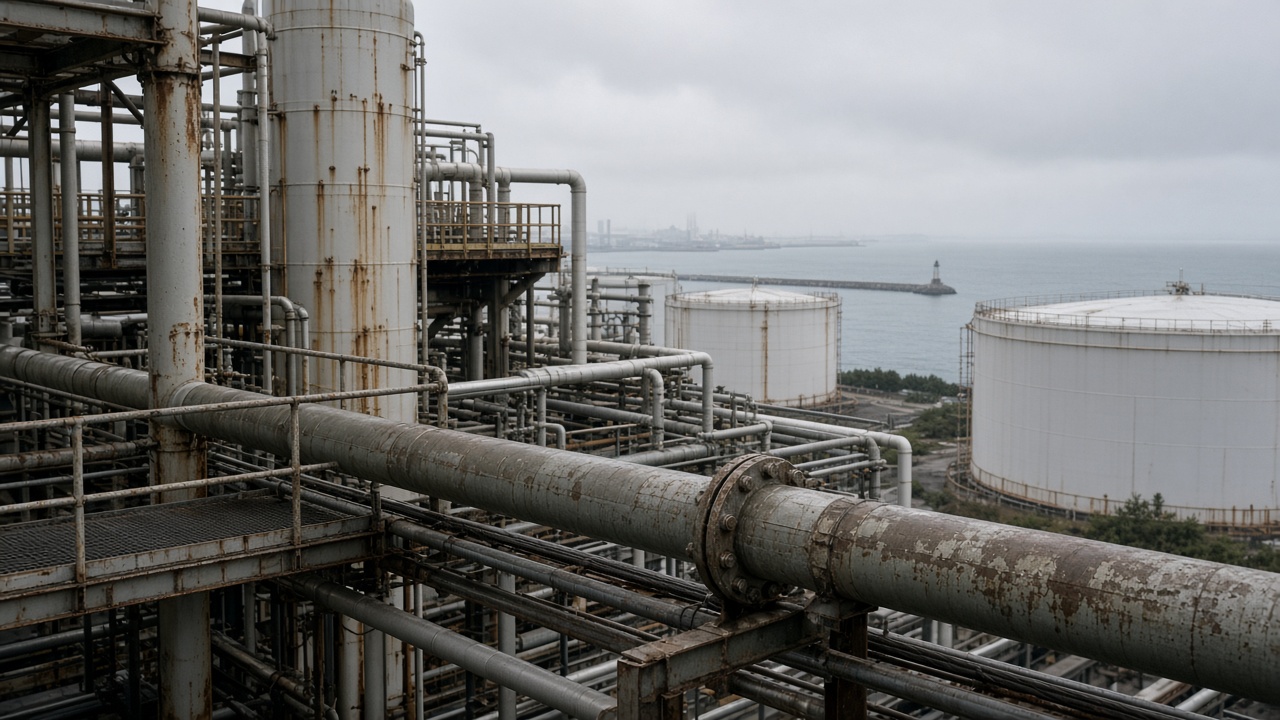
Lotte Chemical notified Yeosu traders on Friday that it will postpone a planned naphtha cracker maintenance window after spot naphtha cracks widened on Middle East supply anxiety, keeping two ethylene lines online through the long holiday weekend instead of taking a five-day outage competitors had already booked.
What changed on the maintenance calendar
Maintenance teams at the Yeosu complex had circulated a turnaround schedule that would have idled a 1.1-million-ton-per-year cracker train from Saturday, according to traders who received the update. By late afternoon, procurement desks said Lotte shifted the window to late October, citing feedstock economics rather than mechanical risk. Rivals SK geo centric and Hanwha TotalEnergies had already locked in October outages, so a simultaneous pause would have tightened domestic ethylene just as downstream PVC makers return from Chuseok.
Plant managers told InfoHandle the decision is reversible if spreads collapse, but the immediate trigger was a jump in CIF Japan naphtha assessments linked to freight reroutes and refinery disruption headlines out of the Gulf. Korean importers buy roughly two-thirds of naphtha on term contracts and one-third on spot; when spot moves faster than formula prices, crackers with flexible schedules delay turnarounds to capture margin.
Downstream stakes in Ulsan and Daesan
Ethylene buyers along the southeast coast watch Yeosu output because pipeline swaps can cover shortfalls when Daesan crackers run hard. A surprise outage during the holiday would have forced spot ethylene purchases at a time when automotive and battery film plants are rebuilding inventory after the break. Traders said spot ethylene offers rose modestly on the news that Yeosu stays up, but the move was contained because import arbitrage from Singapore remains open.
Polymer makers also track naphtha hedges disclosed in quarterly filings. Several refiners told the National Assembly trade panel this week that they increased paper hedges when Brent spiked, a separate political thread that nonetheless colors how chemical affiliates mark feedstock risk.
Regulatory and safety context
Postponing maintenance is not cost-free. Korea's chemical safety regulator expects plants to file revised turnaround dates when schedules slip more than two weeks, and insurers review pressure-vessel inspection intervals. Lotte has not published a revised filing on the public portal as of Friday evening; traders are working from customer advisories. Union officials at Yeosu said night-shift staffing will continue on overtime rates through Hangul Day, which can become a labor issue if the delay extends into November.
What traders expect next
Desk consensus for Monday's reopen is that naphtha cracks stay volatile until charter rates settle. If spreads retreat below the $60 handle traders quoted Friday, maintenance could restart quickly because October is still the traditional shoulder season. If spreads hold, Yeosu may run at reduced rates rather than full outage, a pattern seen during the 2022 energy shock.
For equity investors, the delay supports near-term chemical margin but pushes capex-heavy debottlenecking into a colder quarter. Lotte Chemical shares finished the shortened session flat while the broader Kospi drifted on ETF flows, a reminder that feedstock bets and index products are moving on different clocks this week.
Equity and bond investor read-through
Fixed-income desks said Lotte Chemical's 2027 notes tightened two basis points on the maintenance delay because near-term cash flows improve when crackers run. Equity analysts cautioned that deferred turnarounds cluster maintenance risk into winter, when cold snaps can freeze outdoor pipe racks. ESG funds asked whether delayed inspections affect leak-detection schedules; Lotte's sustainability team promised an updated maintenance map on its data portal next week.
Shipping brokers noted naphtha cargoes rerouted from the Gulf are arriving on smaller parcels, which favors Yeosu's deep-water berth but raises demurrage if discharge windows slip. That operational detail rarely makes equity research notes, yet it explains why traders watch jetty queues as closely as crack spreads.
Labor and community liaison
Yeosu city hall scheduled a Monday town hall on industrial noise during extended runs, a recurring complaint when crackers skip maintenance. Union leaders said overtime premiums must be paid before management asks for six-day weeks through November.