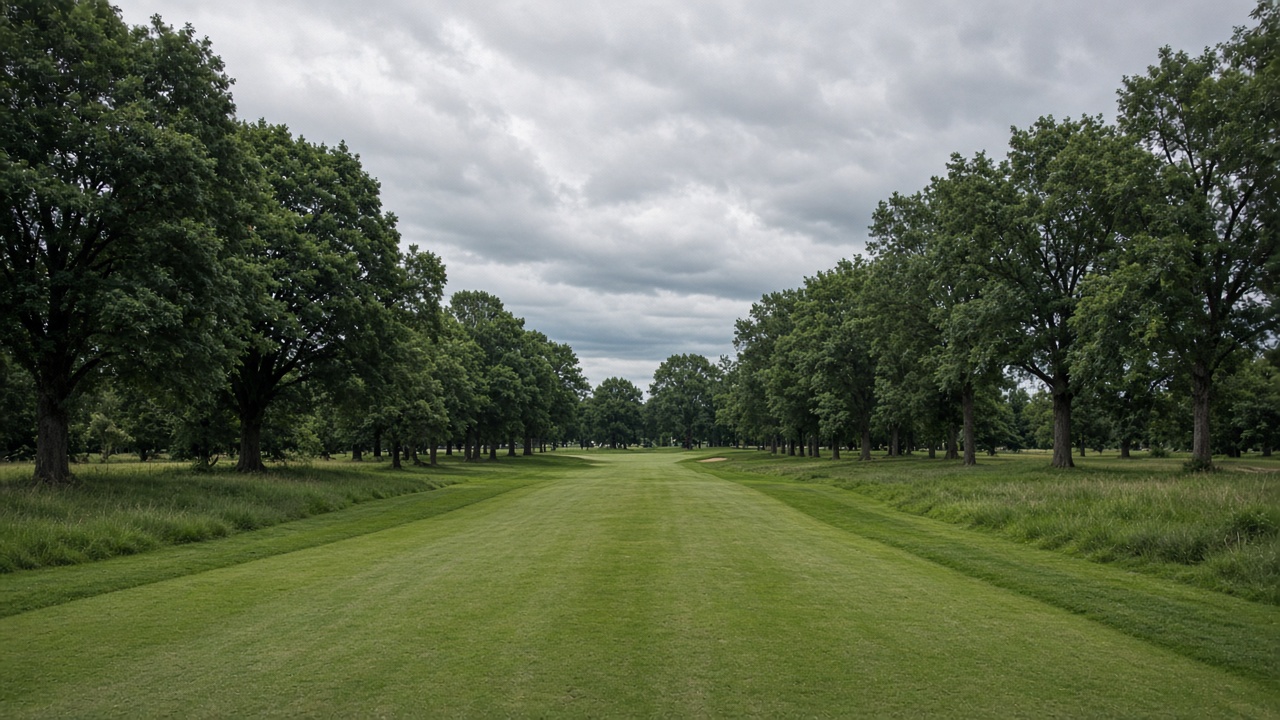
University of Sydney professor emerita Anne Twomey has told a Senate inquiry that a $6 million grant to Marrickville Golf Club in Prime Minister Anthony Albanese's Grayndler electorate amounts to "grey corruption" under Labor's invitation-only community grants programs. The submission intensifies scrutiny of a $560 million pool that the Centre for Public Integrity found sent 73 per cent of funding to seats Labor held before the 2025 election.
How the grant was awarded
Labor promised the Marrickville upgrade during the 2025 campaign and later approved it through a closed, non-competitive process in July 2026 under the Powering Communities and Stronger Communities Programs. Infrastructure Minister Catherine King has said Albanese was not the decision-maker and that projects met value-for-money tests after assessment.
Twomey argued the scheme lets local MPs select applicants, making it a variation on pork-barrelling. She labelled the framework a "farce" because guidelines were drafted after election commitments to ensure promises could be met, according to her written evidence reported by KioskNews.
Political timing amid broader backlash
The golf grant hearing coincides with a bruising week for Albanese and Treasurer Jim Chalmers, who reversed both an Australian Taxation Office credit-card surcharge ban and a proposed 50-50 disaster-recovery split after grassroots campaigns flooded MP inboxes. RedBridge polling showed Albanese's net favourability at minus 27 after the September rate hike, with One Nation leading primary vote at 29 per cent.
Opposition leader Angus Taylor is simultaneously sharpening migration rhetoric, pulling the Coalition right as Labor tries to stabilise its centre. Grants controversies feed a narrative that insiders receive certainty while households absorb mortgage repricing and GP fee increases linked to surcharge rules.
What the inquiry could change
Senate committees cannot unwind individual awards, but they can force publication of assessment documents and compel ministers to explain why competitive rounds were bypassed. Twomey's evidence may bolster calls to ban pre-election pledges from closed pools altogether.
Albanese has not personally responded to the "grey corruption" characterisation in parliamentary transcripts available Friday. For voters in Grayndler and beyond, the dispute is less about fairways than about whether community sport funding rules survive contact with campaign diaries.
Grants architecture under review
The Powering Communities and Stronger Communities Programs are not the first invitation-only pools to face Senate scrutiny; sports and arts desks saw similar fights during the Morrison years. Labor's defence—that ministers other than local MPs signed approvals—does not satisfy critics who note that election commitments pre-empt competitive rounds. Twomey's evidence may push the committee to recommend publishing ranked applications even when grants are closed, mirroring NSW and Victorian integrity reforms.
For Marrickville locals, the $6 million promise covers drainage and facility upgrades at a club that serves a diverse inner-west membership. Supporters say the project delivers community sport infrastructure; critics say the same club could have competed in an open pool if the project truly represented value for money.
Government senators on the inquiry may push for a cap on closed grants per electorate, while opposition members will seek emails between ministerial offices and campaign headquarters. Either way, the Marrickville file ensures grants integrity stays in headlines alongside surcharge and disaster-funding reversals.
Grayndler constituents attending town halls this month pressed Albanese on both grants integrity and mortgage costs, linking local sport funding to national credibility fights.