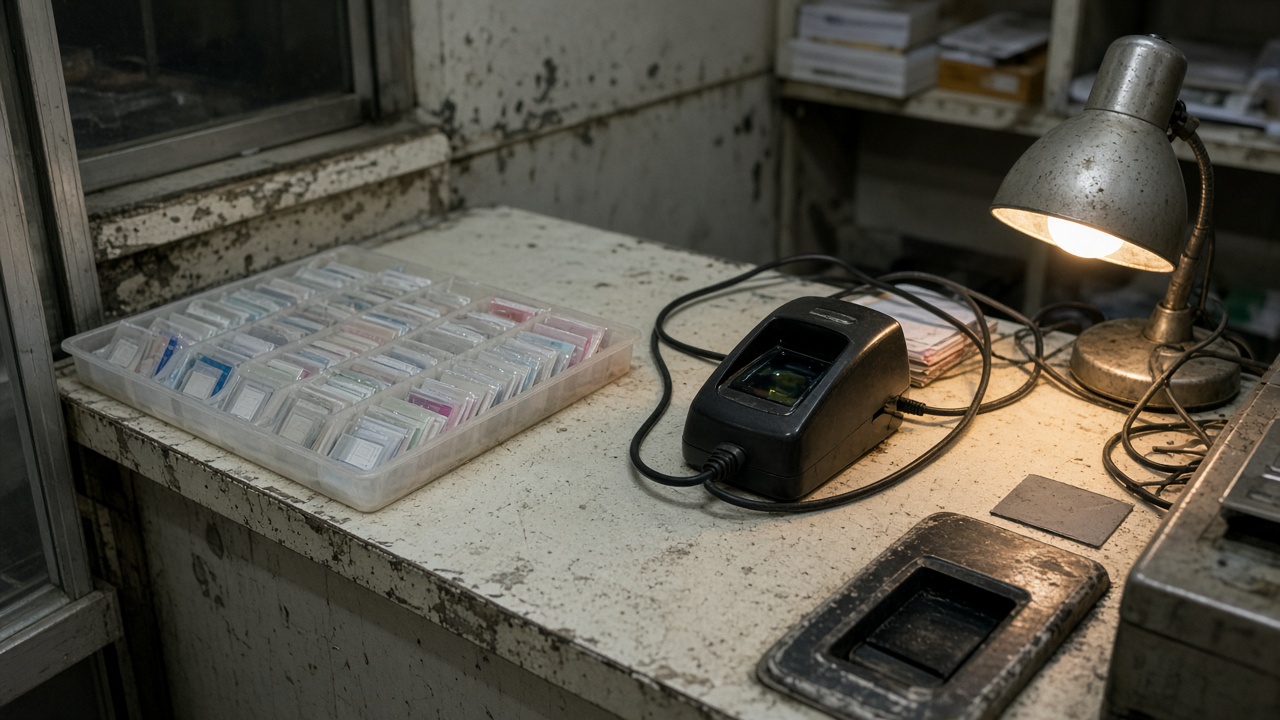
The Telecom Regulatory Authority of India ordered a 72-hour cooling window before prepaid mobile connections can be swapped or re-issued at retail points, responding to a jump in fraudulent SIM replacements that bypassed Aadhaar-based know-your-customer checks during festival-season handset upgrades. Vikram Reddy’s technology desk obtained the circular text late Friday; operators must implement the timer in point-of-sale software by 20 October.
What the rule changes
Under the amendment, a customer requesting replacement of a lost prepaid SIM must complete fresh KYC, after which the old IMSI is suspended immediately but the new SIM remains inactive for 72 hours unless the subscriber confirms via the operator app or a toll-free IVR. MNP port-out requests initiated at third-party kiosks face the same delay if the handset IMEI changed within seven days—a pattern fraud units flagged in Uttar Pradesh and Gujarat police bulletins.
TRAI said the pause gives legitimate subscribers time to receive SMS alerts and block swaps they did not authorise. Cybercrime coordinators noted that scammers had been pairing fake delivery SMS with SIM swaps to intercept UPI OTPs.
Operator implementation
Bharti Airtel, Reliance Jio and Vodafone Idea told vendors to patch retail POS builds over the weekend. Jio’s franchise manuals seen by the desk require photographing the subscriber with a live watermark timestamp, while Airtel is re-enabling manual back-office review for high-risk pin codes. VI emphasised dealer penalties for bypassing the cooling timer.
Consumer impact
Travellers who lose phones during the Dussehra break may wait three days for service restoration unless they visit company-owned stores with escalated verification. Enterprise mobility desks are exempt for post-paid corporate lines under separate DoT guidelines.
Retailers worry the rule will push impatient buyers toward grey-market SIMs; TRAI responded that unregistered sellers remain illegal and state governments should enforce licensing.
Broader security picture
The cooling period complements UIDAI’s tighter masking rules for private KYC aggregators that took effect earlier in October. Together they slow the chain that links stolen identity documents to instant payment takeover.
For subscribers, the practical step is enabling operator-provided SIM-lock notifications and avoiding KYC at pop-up festival stalls without franchise branding. TRAI will review fraud statistics after 30 November before considering further caps on same-day MNP.
Enforcement timeline
TRAI set a 20 October compliance deadline with daily fines for operators whose POS software lacks the countdown timer. Field inspectors will pose as customers at franchise stores in tier-one cities during the first week of enforcement.
Consumer groups welcomed the cooling window but asked for SMS templates in regional languages beyond Hindi and English, noting that fraud victims in Tamil Nadu often miss English alerts.
Relation to payment fraud
The Department of Telecommunications linked the SIM rule to broader Sanchar Saathi initiatives that let users check how many active connections sit on their ID. Together they slow the pipeline from stolen KYC to UPI takeover, a pipeline home ministry cyber units say peaks during festival sales.