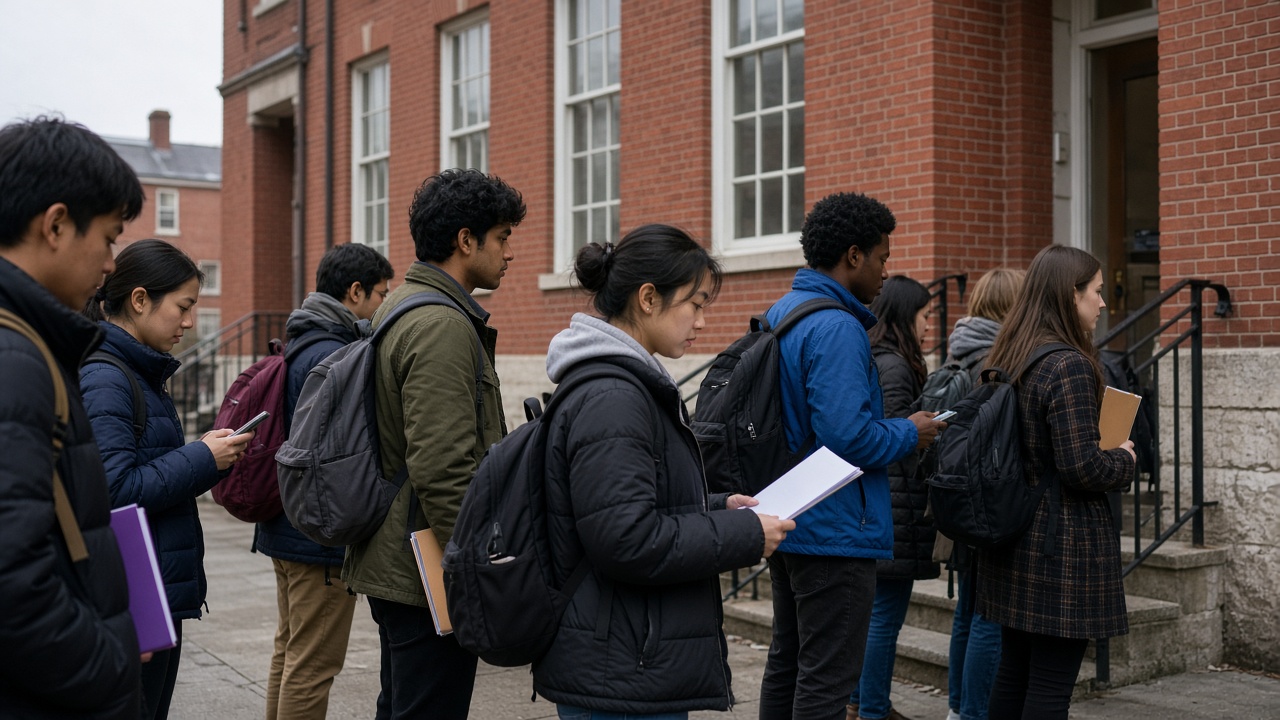
British universities are withdrawing or suspending offers to international applicants from countries including Nigeria and Pakistan, fearing that surging visa refusals will push them over a new 5% compliance threshold and cost them the right to recruit overseas students at all.
The compliance clock
Home Office rules that took effect in June lowered the Basic Compliance Assessment refusal-rate limit from 10% to 5% for institutions sponsoring student visas. Repeated breaches can lead to suspension or revocation of a sponsor licence—penalties that became vivid on 30 September when officials suspended Bucks New University’s licence for the first full-institution case in a decade, though the government has not publicly detailed that decision.
Reporting on Friday described universities revoking offers en masse from markets where UK Visas and Immigration rejection rates have climbed, a defensive move as vice-chancellors confront what several called an “unexplained surge” in refusals during the summer recruitment cycle. Times Higher Education quoted leaders saying at least a dozen institutions may already exceed the 5% line, with some seeing refusal rates between 10% and 20% in key territories.
Withdrawals versus refusals
Compliance guidance updated in June says a Confirmation of Acceptance for Studies withdrawn before a decision is made does not count toward the published refusal-rate calculation. Analysts at The PIE News noted that withdrawn applications still often end in a visa refusal for the student, while keeping the sponsor’s headline rate lower. In the year to June 2026, about 11,500 student visa applications were withdrawn before a decision—roughly double the prior year—while the published refusal rate sat at 4.9%, rising to 7.5% if withdrawals are counted.
That arithmetic, sector lawyers said, encourages universities to pull doubtful cases early, even when applicants have already paid deposits or secured housing. Several institutions have paused agent relationships in India, Pakistan and Sri Lanka, according to vice-chancellor briefings cited in trade press, not because those nationalities are banned but because refusal volatility makes sponsorship risk unbearable.
Political and financial pressure
The Home Office said it continues to welcome genuine students while tightening abuse controls. Labour’s wider goal of growing education exports toward £40 billion annually collides with immigration politics that have made international enrolment a lightning rod since the post-pandemic surge.
University finance officers warn that stepping back from high-fee markets risks deepening deficits already widened by frozen domestic tuition. Students caught in the pullback—many holding conditional offers until visa credibility interviews—face opaque cancellations with little recourse if a CAS is withdrawn at the sponsor’s request. Sector groups said they are pressing ministers for transparency on UKVI decision trends before the next enrolment window, when another batch of compliance assessments will determine who can still sponsor.
Agents in Lagos and Lahore told reporters that some applicants learned their offers were rescinded only after paying visa fees or booking flights, amplifying calls for cooling-off periods when sponsors withdraw a CAS. The Department for Education has not announced emergency funding for universities caught between Home Office metrics and recruitment targets, leaving governing boards to choose between revenue and licence risk one intake at a time.