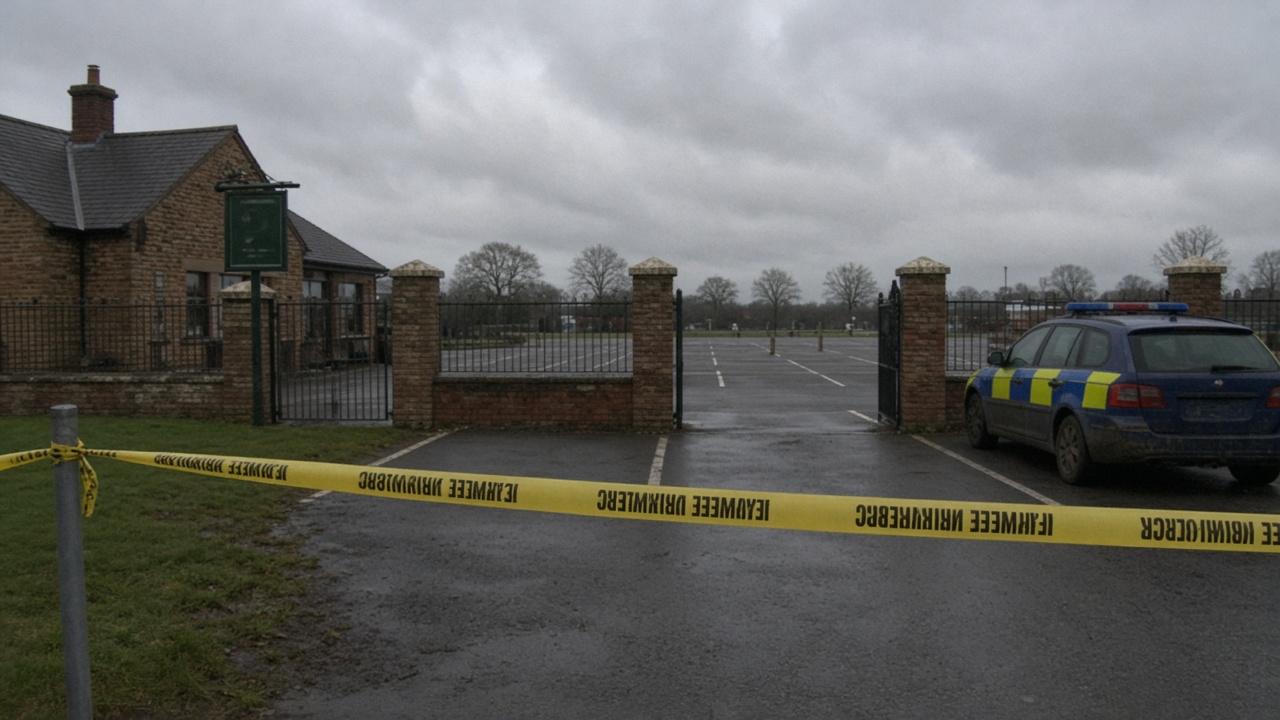
A man died on Saturday after he entered the tiger enclosure at Yorkshire Wildlife Park and was attacked by one of the animals, South Yorkshire Police said. Officers were called at 13:35 BST to the attraction near Doncaster after reports that a visitor had breached the habitat barrier.
Police account
The force said the man was attacked inside the enclosure and died at the scene. Police confirmed the tiger was not injured, remained in the enclosure after the incident, and that there was no wider risk to the public. The park was evacuated and officers remained on site into the evening as inquiries began.
Detectives had not released the man’s name or age by the time the park issued its public statement. Next-of-kin procedures were under way, and police asked the media to avoid speculation about motive until interviews with staff and witnesses were complete.
Park response
A park spokesperson said staff were “deeply saddened” by the incident and extended sympathies to the man’s family. The attraction said its emergency procedures were “immediately activated” and that managers were cooperating with police and other authorities “to ascertain exactly what happened.”
Management announced that Yorkshire Wildlife Park would remain closed for the rest of the weekend, including Sunday, diverting families who had booked tickets during the autumn half-term period. The park’s website carried a short closure notice rather than detailed operational commentary, a common approach while fatal incidents are investigated.
Visitor safety and regulation
Licensed zoos in England must meet strict containment standards under the Zoo Licensing Act regime, with local authorities and specialist inspectors reviewing barriers, training, and emergency drills. Tiger exhibits typically combine moats, glass, or electrified fencing with staff protocols for “code red” breaches. Any confirmed unauthorized entry triggers parallel investigations by police and the local authority’s licensing team.
Major UK wildlife parks have faced scrutiny before over barrier design and public education campaigns warning guests not to climb or throw objects into enclosures. Saturday’s death is likely to renew questions about whether additional physical deterrents or staff positioning are needed at high-profile carnivore habitats, though police cautioned that conclusions about fault were premature.
Community impact
The park, set on the outskirts of Doncaster, draws coach parties from across Yorkshire and the Midlands. Nearby roads saw congestion as visitors were directed away from car parks during the evacuation. Local residents posting on community forums described helicopters audible in the area, though police did not confirm aerial assets in their initial statement.
Animal-welfare groups often distinguish between accredited zoos that participate in breeding programs and unregulated private collections. Yorkshire Wildlife Park has marketed itself as a conservation-focused attraction with large naturalistic paddocks; that branding does not lessen the legal seriousness of a fatal human-animal contact inside a permitted exhibit.
What investigators will examine
Police will review CCTV, staff radio logs, and witness statements to determine how the man reached the tiger area and whether any third party assisted or encouraged the breach. Health and safety investigators may attend if evidence suggests a systems failure rather than a deliberate act.
For now, the priority for authorities was securing the scene, supporting the victim’s family, and reassuring neighbors that the animal remained contained. South Yorkshire Police said further updates would follow when appropriate, repeating that there was no ongoing threat to the surrounding community.