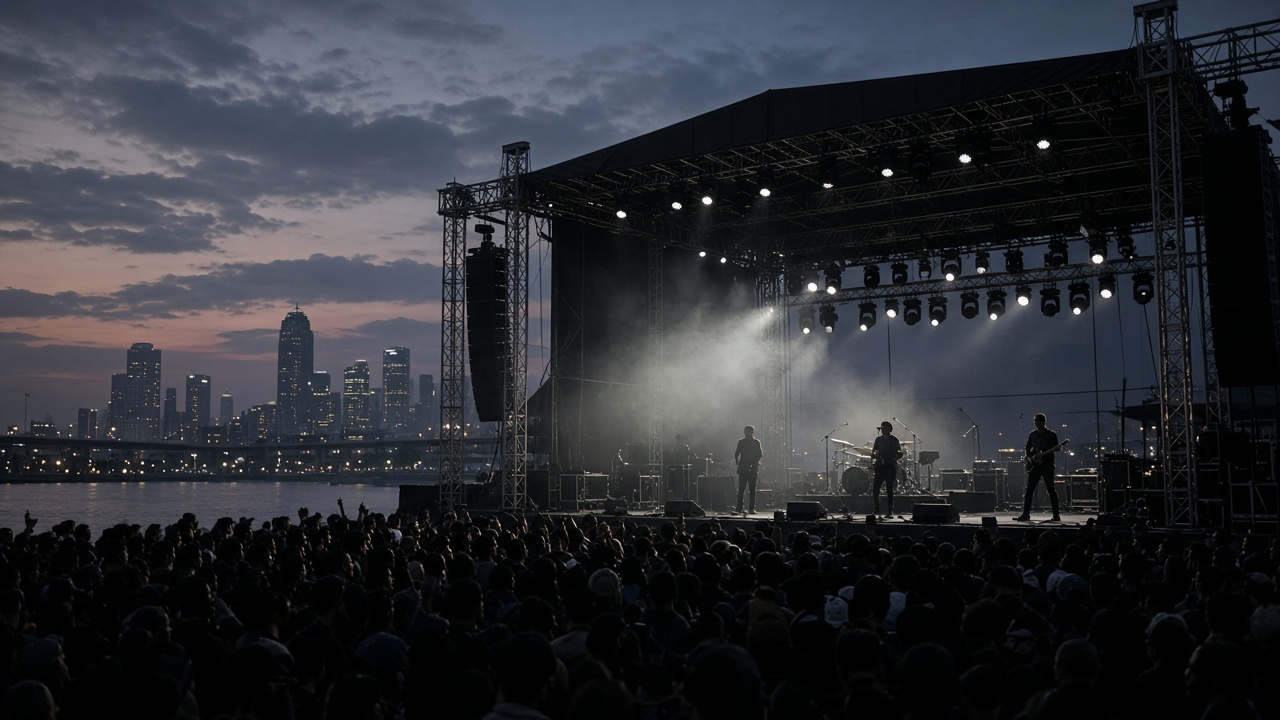
Bayfront concert stages stayed lit on Saturday night as the Singapore Grand Prix raced toward its main event, even after the National Environment Agency (NEA) forecast 11 October’s 24-hour Pollutant Standards Index (PSI) would remain in the unhealthy to high-unhealthy range.
Haze from southern Sumatra and Kalimantan has hung over the island since late September, pushing central-region readings above 170 on some afternoons. NEA’s 10 October evening advisory said moderate to dense smoke could persist despite weekend showers, keeping outdoor workers and concert crews under health watches.
Sprint chaos under lights
On-track action already delivered drama before Sunday’s 61-lap grand prix. Heavy rain delayed the sprint by 30 minutes on Saturday morning, leaving standing water at Turns 2 and 3. Red Bull’s Max Verstappen won the 20-lap sprint ahead of Ferrari’s Lewis Hamilton and Charles Leclerc after Mercedes driver George Russell crashed out from the lead on lap one and a late McLaren collision shuffled the order.
Fans packing the Padang and waterfront zones weighed rain gear against N95 masks—a combination unique to Singapore’s street circuit. Medical posts reported higher than usual visits for respiratory irritation, though promoters did not publish official clinic numbers.
Entertainment versus air quality
Grand Prix week couples Formula One with nightly concerts at the Bayfront stage. Organisers said they would curtail outdoor activities only if authorities upgraded health advisories further; as of Saturday night, shows continued with bottled water handed out and smoke-visible backdrops for international acts.
Hotels along Marina Bay sold out months ago, tying room revenue to both F1 and the concert slate. Cutting acts would anger ticket bundles that market music and motorsport as a single package, yet continuing full production under haze draws criticism from parents whose children attend without masks.
What Sunday brings
Sunday’s grand prix start remained scheduled for the evening, when temperatures drop but particulates can linger without afternoon convection. NEA said the PSI might stay below the 201–300 very unhealthy band, avoiding automatic school-closure triggers, but vulnerable concertgoers were urged to reduce prolonged outdoor exposure.
For entertainment desks, the story is not only Verstappen’s sprint win—it is whether Singapore’s marquee tourism product can flex when both rain and smoke hit. Promoters chose to keep the lights on; the post-event review will ask whether that call still makes sense if PSI trends higher during the year-end festival season.