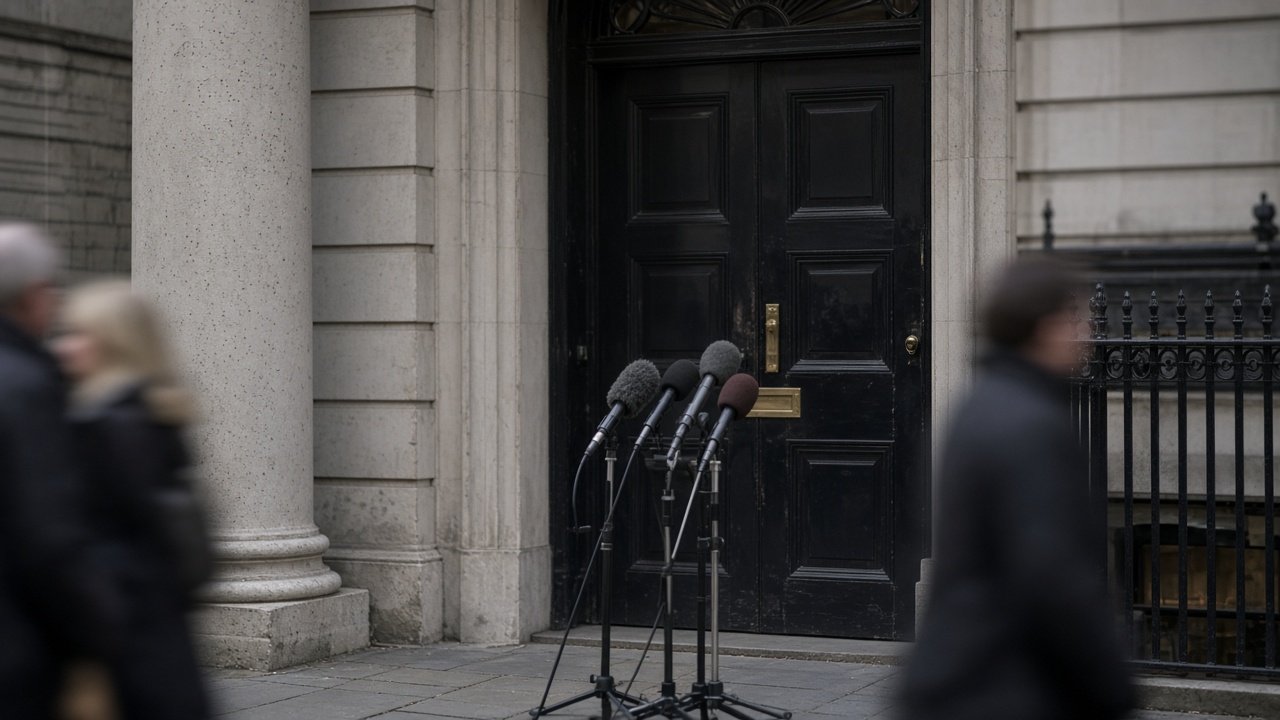
Prime Minister Andy Burnham said UK authorities gave him a clear assessment that Russia interfered in the 2016 Brexit referendum, telling The Rest Is Politics podcast that he asked the question on entering Downing Street this summer and received an affirmative answer. The remarks, reported by The Observer ahead of Monday's episode release, mark the first time a sitting prime minister has publicly confirmed Kremlin involvement in the vote while discussing his wider European reset agenda.
What Burnham said
According to The Observer, Burnham linked his disclosure to efforts to help voters in Germany and France recognise foreign manipulation, arguing Britain had been "too much on the back foot" about informing the public. He separately referenced evidence of Russian attempts to interfere in the 2019 general election during recent UN remarks, without detailing classified material in that forum.
A Downing Street spokesperson declined to describe the briefing Burnham received but said national security remained the government's first duty and that citizens must be protected from foreign disruption.
Historical context
Parliament's Intelligence and Security Committee published a Russia report in 2020 with extensive redactions. It said the committee could not conclude on referendum interference because no post-vote assessment was shared and a requested unclassified summary was rejected by Boris Johnson's government. Philip Rycroft's later review of foreign financial influence treated the referendum as out of scope while noting long-term Russian espionage against the UK.
Journalists have previously reported meetings between Russian officials and Leave campaign figures including donor Arron Banks, who has denied wrongdoing and said funding came from UK companies. The National Crime Agency found no evidence of criminal offences in Electoral Commission referrals over loan sources; Banks and the commission later settled litigation.
Reaction and next steps
Opposition parties demanded declassification of relevant assessments. Civil liberties groups warned against using interference claims to justify vague online speech curbs without parliamentary scrutiny. European capitals watching Burnham's EU outreach will read the comments as part of a broader narrative on democratic resilience.
For voters, the immediate change is rhetorical: a prime minister stating on the record what predecessors avoided confirming, while the underlying intelligence remains largely unseen.
Podcast timing
The Rest Is Politics episode featuring Burnham is scheduled for Monday release; The Observer's preview ensured the remarks landed in Sunday papers ahead of market and diplomatic calendars. Downing Street did not dispute the quotes but avoided repeating the word "Brexit" in its formal statement.
Legal and electoral context
The Electoral Commission has stressed that foreign interference findings do not automatically void referendum results; remedies are political and regulatory. Lawyers for campaign figures named in historical reporting continue to deny illicit funding or coordination, citing closed NCA and commission processes.
Intelligence oversight
ISC members have not yet commented on whether Burnham's briefing aligns with material they sought years ago. Former officials warned that confirming interference without declassifying evidence could fuel conspiracy theories as easily as it educates voters.
Foreign policy ripple
Moscow rejected past allegations as deflection from Western failures. Burnham's EU reset negotiators worry that fresh Russia headlines could harden continental scepticism about UK security guarantees even as London seeks closer defence industrial ties.