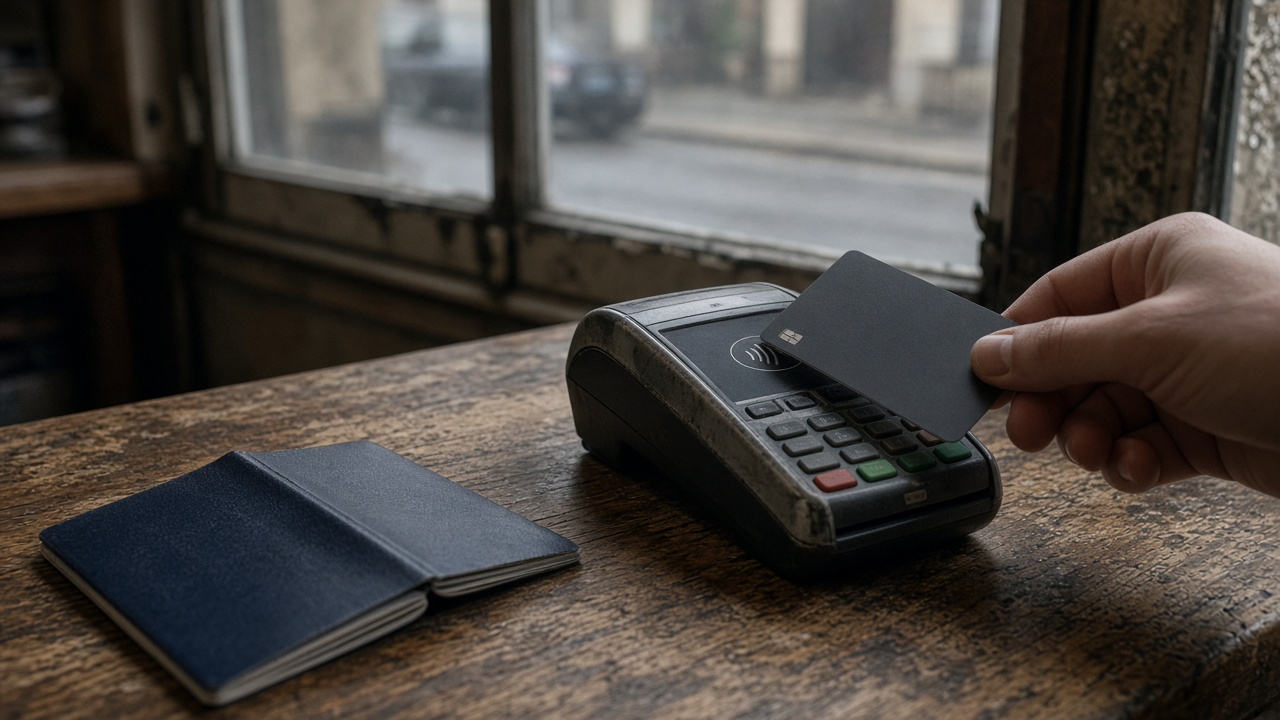
Chase stopped adding a 3% foreign transaction fee to Chase Freedom Flex purchases on September 21, 2026, turning a popular no-annual-fee cash-back card into a workable option for overseas dining and shopping—if you understand what else changed on the same date.
The bank announced the update alongside Points Boost hotel redemptions through Chase Travel and a visual refresh of the plastic. For households that already rotate 5% quarterly categories at home, the fee cut matters most on trips where every meal runs through a foreign bank: a $3,000 vacation that used to carry $90 in issuer surcharges can now price closer to the sticker total, before currency conversion spreads from the card network.
What changed on the card
According to Chase’s September 21 release, Freedom Flex cardmembers can buy from foreign merchants or while traveling without the old 3% add-on. The card still earns 5% on activated rotating categories up to $1,500 per quarter, 5% on Chase Travel, 3% on dining and drugstores, and 1% elsewhere. Points Boost can lift the value of Ultimate Rewards on select hotel bookings through Chase Travel by up to 10%, which Chase markets as a way to stretch redemptions without paying an annual fee.
The same refresh removed cell phone protection that previously covered up to $800 per claim when you paid the wireless bill with the card. Chase’s site lists coverage for eligible losses through September 19, 2026, with discontinuation on September 20. If you relied on that benefit, you need a replacement before your next handset upgrade—or accept carrying the risk.
How to run the math before you pack
Compare the Flex against cards you already carry. Premium travel cards often waived foreign fees years ago, but many still charge $550 to $895 in annual fees. If you only travel once every few years, the Flex’s $0 fee plus eliminated surcharges can beat keeping a lounge card you barely use—provided you activate quarterly categories and you are not giving up insurance you actually claimed.
Watch dynamic currency conversion at terminals. Merchants may offer to charge you in U.S. dollars with a poor exchange rate even when your issuer no longer tacks on its own fee. Decline conversion and let the card bill in local currency when you can.
Who should still look elsewhere
Heavy international business spend may still fit better on a card with stronger travel protections or transfer partners, especially if you need primary rental coverage or trip delay insurance. The Flex remains a cash-back product first; it does not magically add airport lounge access or hotel elite status.
For students and budget travelers who already hold the Flex, the practical step is simple: set it as the default for foreign dining and transit before your next departure, log into Chase to confirm your current 5% categories are activated, and read the benefits guide once to see whether losing phone insurance changes how you pay your mobile bill.