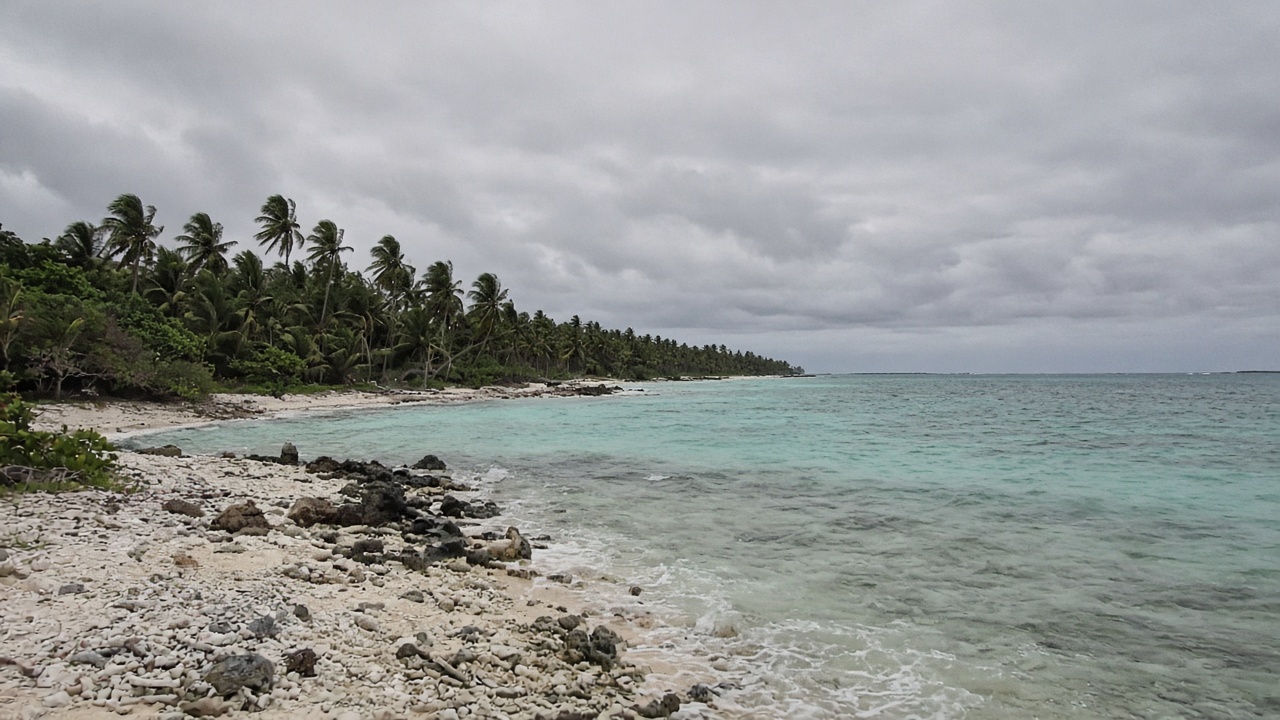
A Cocos (Keeling) Islands delegation learned it would not receive federal funding to attend the COP31 climate conference in Türkiye, even though the United Nations approved its participation, as Australian ministers wrapped Pacific pre-summit talks thousands of kilometres away.
Residents of Australia’s remotest inhabited territory told the ABC they feel sidelined by Canberra’s Pacific-first climate diplomacy. While Environment Minister Tanya Plibersek and other officials promoted island voices at pre-COP meetings in Tuvalu and Fiji this week, the Cocos group was informed its funding application was unsuccessful just before those sessions began.
Why the islands say it matters
The Cocos (Keeling) Islands sit in the Indian Ocean, roughly 8,900 kilometres from this week’s Pacific gatherings, but face similar stressors: coastal erosion, flooding and saltwater intrusion into freshwater lenses. Community leaders argued that appearing at COP31 would let them tell their adaptation story directly rather than rely on mainland agencies to speak for them.
The UN cleared the delegation to register, according to residents interviewed by the ABC. The bottleneck was Australia’s competitive process for financing official travel to the summit, which selected other applicants instead.
Canberra’s response
A spokesperson for the Department of Climate Change, Energy and Water told the broadcaster that climate change is affecting the islands and that the government is working with the community on adaptation planning, including a coastal hazard risk management plan known as CHRMAP.
The department rejected the idea that elevating Pacific partners came at the expense of Australian territories, saying support continues for communities facing climate risks at home. Islanders counter that without a seat in the negotiating halls, their exposure remains invisible next to larger Pacific delegations backed by fresh travel money.
COP31 clock is ticking
COP31 opens in Türkiye with Australia co-hosting alongside Pacific nations that have spent years demanding stronger finance for loss and damage. For Cocos residents, the dispute is less about treaty text than about representation: they are Australian citizens living on atolls that could be among the first domestic communities to need managed retreat decisions.
Community groups say they will keep pressing for alternative sponsorship or observer status through non-government channels. Unless Canberra reverses course, the islands’ most senior climate advocates will watch the summit streams from West Island rather than the floor where adaptation funds get allocated.
Local shire councillors note that CHRMAP studies have documented accelerating beach loss on Home Island and West Island, yet federal grants for hard protection works have moved slowly compared with mainland coastal programs. Fishermen report shifting catch patterns as water temperatures rise, adding economic pressure on a territory that depends on tourism and cocos oil exports for revenue.
Plibersek’s office has not commented on the specific funding decision, but ministers traveling through the Pacific this week repeatedly described Australia as a “Pacific family” on climate. Islanders ask whether that family includes the citizens living on Australian atolls who cannot afford their own airfare to Antalya.