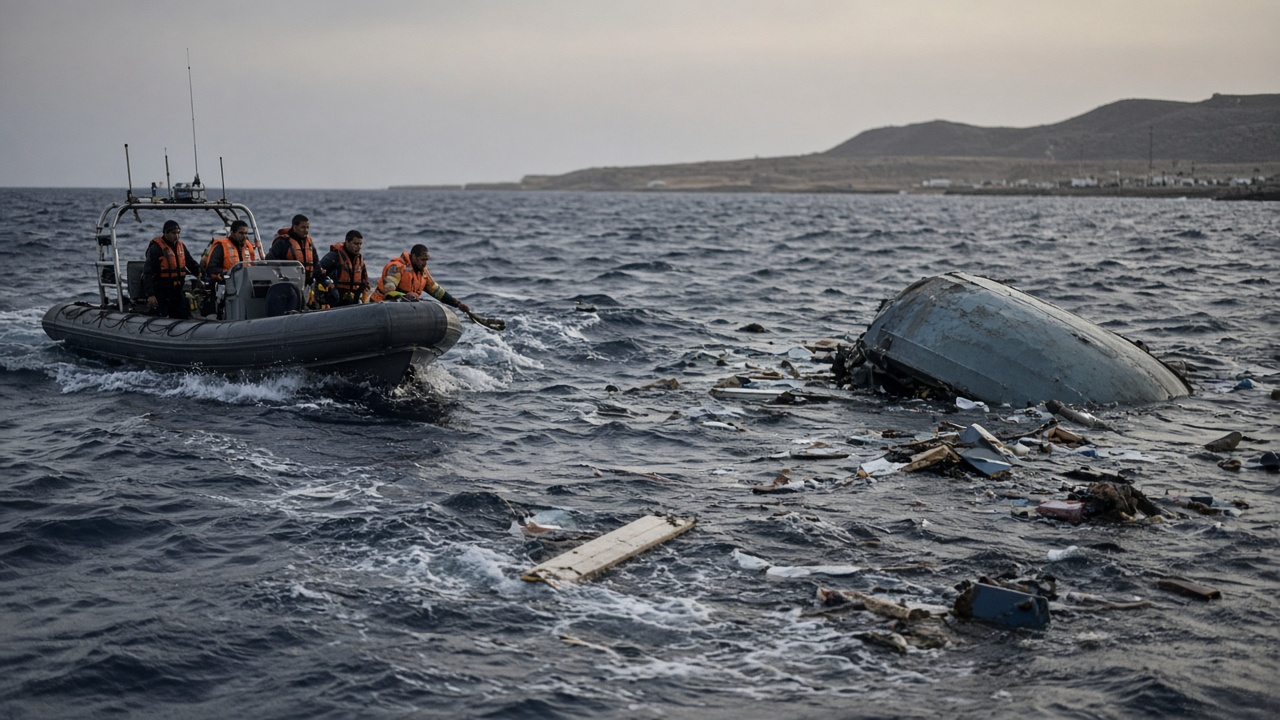
The United Nations migration agency said Sunday that at least 139 people died after a crowded boat capsized off Djibouti, with 84 still missing and search teams pulling 30 additional bodies from the water as recovery work continued into the weekend. The vessel was carrying 305 migrants when it went down near Guehere, north of the port of Obock, on the night of October 8 into October 9 while heading toward Yemen across the Bab el-Mandeb strait.
What survivors reported
The International Organization for Migration said roughly 82 people survived the shipwreck. Survivors told agency staff the boat overturned in rough conditions during the overnight crossing on a route that has become one of the world’s deadliest irregular migration corridors. Many of those rescued were Ethiopian nationals; IOM said it was assisting dozens at its migrant response centre in Obock with healthcare, shelter, food and efforts to restore contact with families.
Djiboutian authorities have kept boats and divers in the area as families wait for word on the missing. The initial toll of 109 dead, including 15 children according to IOM’s earlier count, rose after additional remains were located along the coast and in open water.
Scale on the Eastern Route
IOM Director General Amy Pope called the disaster one of the deadliest recorded on the Eastern Route, the path that links the Horn of Africa to Yemen and, for many migrants, onward journeys toward the Gulf and beyond. The agency has tracked hundreds of deaths on the same corridor in recent years and warned that tighter border controls without safer alternatives push people onto overloaded smugglers’ boats.
“No one gets into a boat like that unless they believe there is no other safe way,” Pope said in a statement Sunday. She urged governments and donors to expand legal pathways before the next departure. Humanitarian groups have long argued that crackdowns on land routes simply displace risk onto the sea.
What happens next
Djibouti sits on a narrow choke point between the Red Sea and the Gulf of Aden, making it both a transit hub and a rescue staging ground when vessels fail. IOM said it would keep supporting survivors while pressing for coordinated search efforts and better data sharing among states that intercept boats.
There was no immediate indication that regional naval patrols would expand patrol zones in response to this wreck alone, but aid officials said the rising toll should force a fresh look at rescue capacity ahead of the winter sailing season, when wind and swell often worsen crossings. For the families still waiting on names from Obock, the immediate question is whether the missing will be found or added to the long list of those never recovered from the strait.