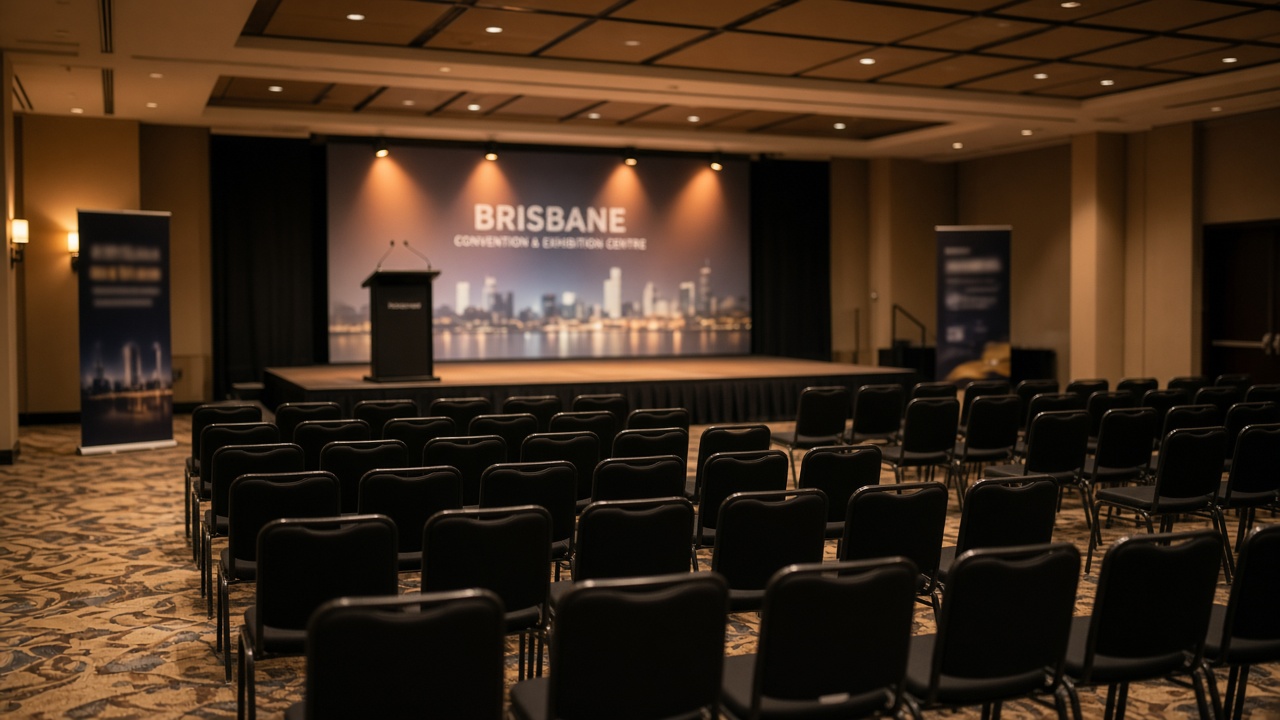
One Nation leader Pauline Hanson used the Conservative Political Action Conference in Brisbane to tell right-leaning voters to abandon the Liberal Party, then promised her party would still work with the Coalition to remove the Albanese government at the next federal election.
Hanson labelled Opposition Leader Angus Taylor a “smarmy management consultant” and blamed the Coalition for signing Australia up to net-zero emissions frameworks and for creating the eSafety Commissioner. Yet she closed with an explicit offer: “One Nation will work with the Liberals and Nationals to remove this horrible Labor government.”
Taylor’s balancing act
Taylor, the first sitting Liberal leader to address CPAC, directed his sharpest attacks at Labor, arguing the government had left Australians “poorer, weaker and demoralised.” He remained vague on formal governing agreements with Hanson’s party, drawing heckles from activists who want a harder line on immigration and climate policy.
Nationals leader Matt Canavan struck a more conciliatory tone, warning that fights on the right amounted to “side quests” that would not dislodge the prime minister. The split screen—Hanson attacking Taylor while both target Labor—captures the Coalition’s maths problem in Queensland and regional New South Wales, where One Nation competes for the same Senate quotas and lower-house protest votes.
Policy flashpoints
Hanson promised a royal commission into net-zero implementation targeting Energy Minister Chris Bowen’s portfolio. Taylor offered nuclear energy aspirations without detailing site selection or cost-sharing with states. Both speakers tied cost-of-living pain to Labor’s spending during the pandemic and to renewable rollout timelines.
Labor ministers dismissed CPAC as an American-imported culture war festival, but the event’s local turnout shows conservative media ecosystems remain potent. For undecided voters in outer suburban seats, the relevant question is whether disillusionment with the major parties translates into formal preference deals or merely louder campaigning.
The next federal election is not due until 2028, leaving time for alignments to shift. For now, Hanson’s message is dual: punish the Liberals at the ballot box, then help them govern if the numbers allow.
Electoral arithmetic
Psephologists note that One Nation’s primary vote in Queensland federal seats often exceeds 10 percent, enough to decide tight three-way contests if preferences flow unevenly. The Coalition’s 2025 losses in several outer-Brisbane booths came where protest parties gained ground on both flanks.
Labor strategists watched CPAC speeches for signals on whether the opposition would block renewable transmission projects in the Senate if it regains the balance of power after 2028.