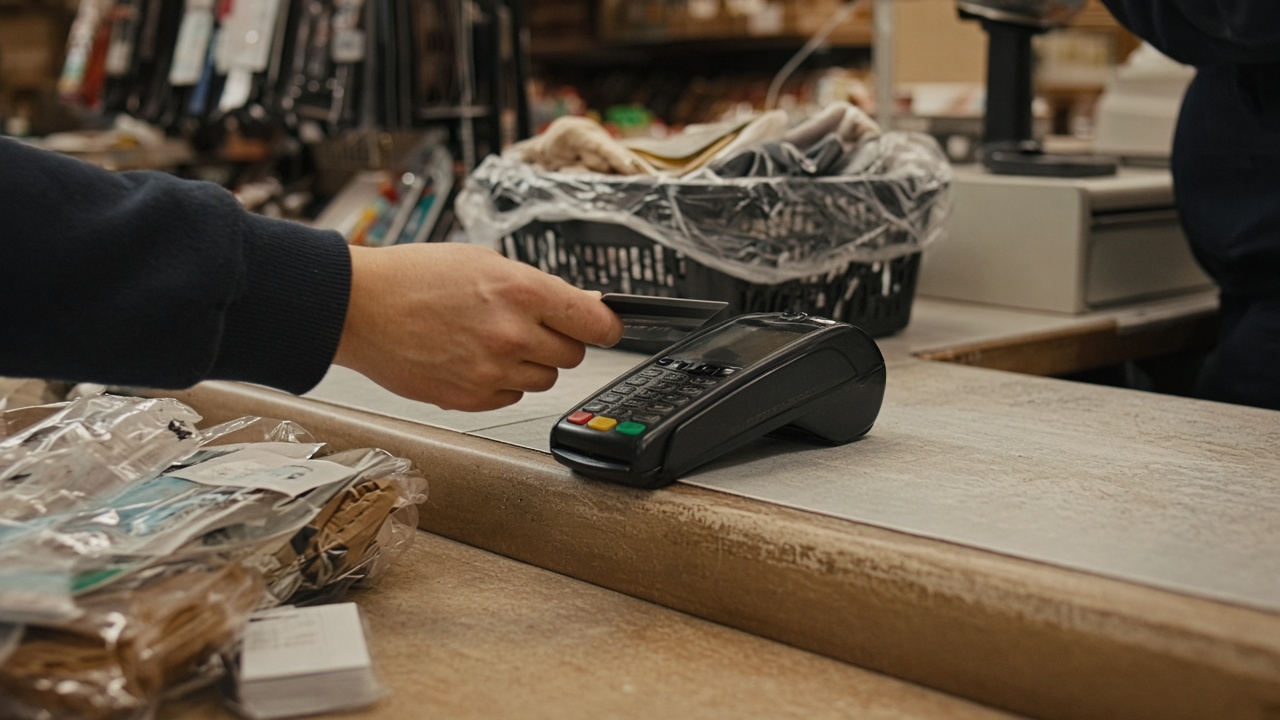
HDFC Bank and State Bank of India raised the per-transaction contactless limit to ₹5,000 on participating RuPay debit and credit cards from Saturday, matching a National Payments Corporation of India festive campaign designed to keep checkout lines moving in malls and appliance stores. The change is temporary for most issuers through November 15, but cardholders must opt in through the mobile app or net-banking channel before tapping at a store.
What actually changes at checkout
Contactless payments in India still require a PIN once cumulative tap spending crosses ₹5,000 or when a single transaction exceeds the issuer’s ceiling, whichever comes first. HDFC’s weekend circular widened the single-tap ceiling from ₹2,000 for RuPay Platinum and Select credit cards, while SBI applied the same threshold to its RuPay Classic and Platinum debit variants. Merchants must run EMV contactless kernels on their point-of-sale terminals; older magnetic-stripe-only devices will not honor the higher limit even if the card supports it.
Store managers in Delhi and Bengaluru said the lift matters most for mid-tier electronics priced between ₹3,500 and ₹4,800, where customers previously had to dip the card and enter a PIN, slowing queues during weekend footfall. Apparel chains reported smaller gains because average ticket sizes still sit below ₹2,500, but footwear and festival gift-set counters saw measurable speed-ups.
Issuer economics behind the festival push
RuPay’s interchange on domestic debit transactions remains lower than Visa and Mastercard rails, which is why public-sector banks lead these campaigns. NPCI is subsidizing issuer marketing costs for participating banks that also enable tokenized contactless on their mobile wallets. HDFC’s release noted that tokenized taps will inherit the ₹5,000 limit without exposing the primary card number to the merchant terminal.
Credit risk teams at both banks said the limit is not a loosening of underwriting standards. Real-time risk scoring still blocks taps from new devices, and international contactless limits remain unchanged. Cardholders who have not used contactless in the past six months may need a chip-and-PIN transaction first to activate the higher ceiling, a friction point call centers were staffing up for on Saturday.
What cardholders should verify
Customers should confirm the RuPay network logo on the card rear and check the “contactless” wave icon on the front. Rewards multipliers tied to online spends do not always apply to tap-to-pay offline transactions; HDFC’s circular excludes contactless spends from accelerated festive cashback on certain co-branded cards. If a tap fails, the fallback is inserting the card—clerks should not ask customers to split a single purchase across multiple taps to evade PIN rules, a practice issuer risk teams flagged during last year’s Diwali rush.
Small merchants and MDR
Shops on blended merchant discount rate plans should confirm their acquirer enabled contactless kernels before advertising tap-only lanes. NPCI’s festive subsidy does not reduce MDR for the merchant; it only funds issuer marketing. Kirana stores using sound-box QR setups without card terminals are unaffected by the limit change but may see fewer cash withdrawals if customers shift small-ticket spends to cards.