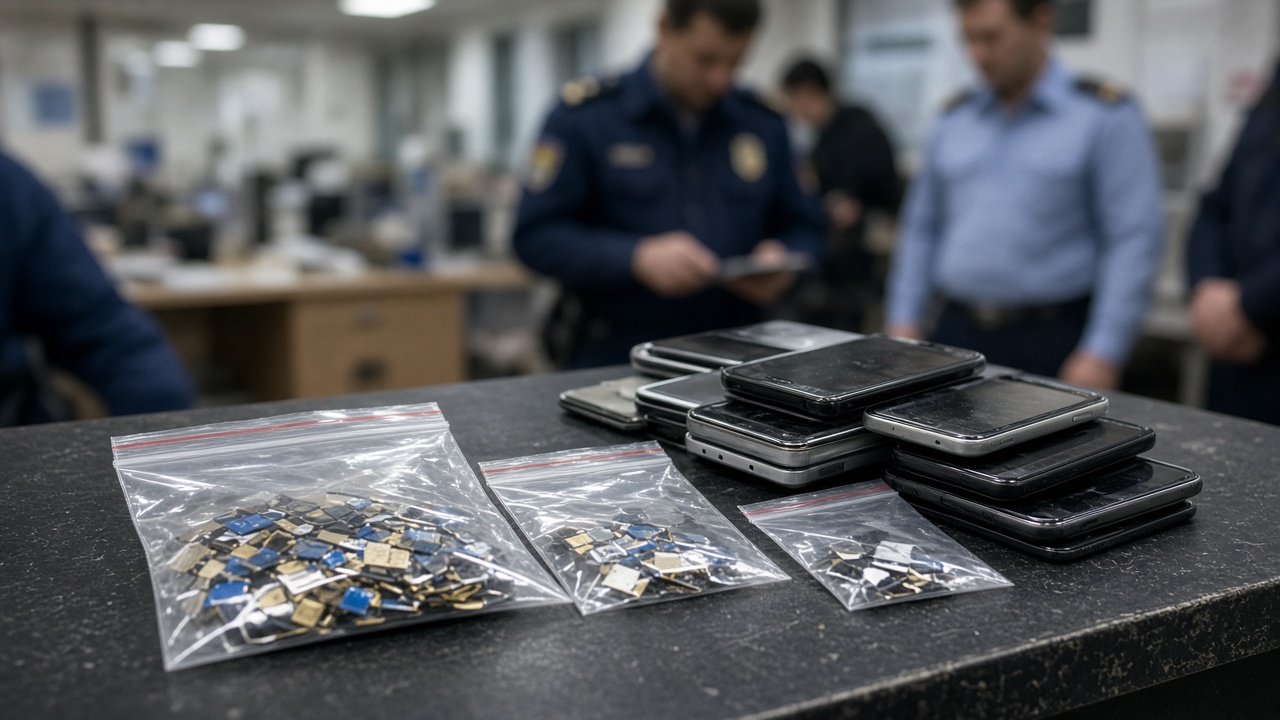
Taiwan’s Investigation Bureau raided a New Taipei apartment Saturday and seized sixteen smartphones rigged as SIM banks that allegedly relayed banking one-time passwords to overseas operators running mobile-wallet fraud against Taipei department stores.
Agents said the ring paired bulk phishing SMS blasts with domestic handset farms so OTP texts could be read in real time before victims noticed unauthorized bindings. Four suspects were detained; investigators estimate the crew sent more than 80,000 lure messages since summer, posing as utilities, courier firms, and telecom loyalty programs.
SIM banks lower the technical bar
Modern fraud no longer requires deep hacking skills. Suspects load dozens of prepaid SIMs into stacked phones, use apps to forward SMS to encrypted chat channels, and coordinate with partners who enter stolen card data on e-commerce checkouts. When a bank OTP arrives, the chat channel pings a buyer standing inside a store with a compromised wallet.
Forensic teams said the seized devices still held message logs linking OTPs to luxury goods purchases at major malls. Total confirmed losses are still being tallied, but early victim statements exceed NT$2 million.
Cross-border command nodes
Prosecutors believe chat administrators operated from outside Taiwan, paying local recruits per successfully forwarded OTP. The structure mirrors cases the Criminal Investigation Bureau broke earlier this year in southern counties, where suspects earned small fees per message blast.
Retail and bank coordination
Major retailers agreed to delay high-value wallet transactions when OTP merchant metadata does not match the store’s registered name. Banks, meanwhile, are testing velocity limits on first-time wallet bindings. For security teams, the weekend raid underscores that SIM supply—not just phishing copy—is a controllable choke point if regulators tighten bulk prepaid sales.
Carrier rulemaking
Telecom regulators said they will review bulk prepaid SIM sales at night markets, where fraud recruits sometimes buy dozens of cards without ID checks. A consultation paper is expected after the Double Ten recess, pairing with bank rules on wallet velocity.
Analysts and officials cautioned that holiday-thinned staffing can delay public updates until the regular workweek resumes, so readers should watch for revised figures when ministries publish Monday bulletins.
County and city agencies said they would post updated timelines on official websites after the long weekend, and urged residents to rely on verified hotlines rather than forwarded chat messages when planning travel or payments.