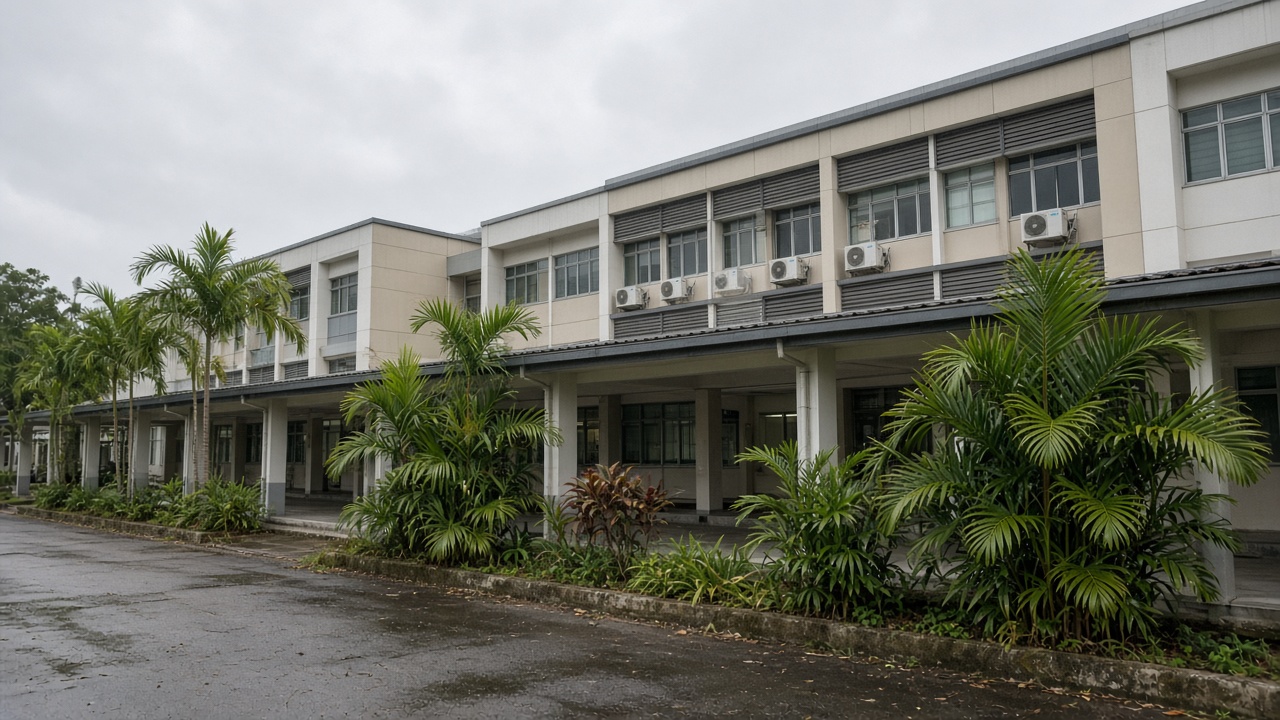
Health Minister Ong Ye Kung told Singaporeans on Friday that the Institute of Mental Health (IMH) will be renamed the National Centre for Mental Health Singapore in 2027, a label he said better reflects how the country wants psychiatric care to be understood and accessed.
The announcement landed in Ong’s World Mental Health Day message, where he paired the rebrand with a physical overhaul. The Government intends to redevelop and expand IMH at Buangkok, turning the campus into a bigger and more modern hospital by 2040 while keeping specialist psychiatry and research on the same site rather than scattering services across borrowed wards.
From institute to national centre
IMH remains Singapore’s sole psychiatric hospital. Ong argued the old name carried stigma that still discourages help-seeking, especially among young people who worry about records, parental judgment, and future school or job prospects. The 2027 rename is meant to signal that mental health care belongs on the same footing as other acute specialties, not in a siloed “institute” that families whisper about.
Parliament will not vote on a name change alone. The shift sits inside a wider Ministry of Health (MOH) strategy that includes more community touchpoints, stronger primary-care links, and clearer guidance for doctors on when parental consent is required for youth treatment. Ong said MOH will seek public views in the coming weeks on consent rules across schools, clinics, and voluntary welfare organisations so minors are not blocked from early intervention.
Capacity and workforce pressure
Demand has been climbing for years. Ong cited more young patients presenting with anxiety and mood disorders, alongside ageing Singaporeans who need longer psychiatric support. A larger Buangkok campus is supposed to add bed capacity, day programmes, and research space without pushing every complex case into emergency departments that are already juggling physical ailments and haze-related respiratory visits this month.
Opposition and back-bench MPs have pressed MOH to publish waiting times by service line. Ong did not release fresh queue statistics in the message, but he acknowledged that fear of being labelled keeps some families away until crises escalate. The rename and campus plan are partly a communications exercise and partly an admission that Singapore cannot meet rising need with a 1980s footprint and a name that still sounds like a last resort.
What changes first
Before bulldozers arrive, MOH will run the consent consultation and update ethical guidelines for physicians. Town halls and online feedback channels are expected to open shortly, with MOH targeting guidance that balances parental involvement against a youth’s right to confidential care when clinicians judge harm risk.
For residents in Hougang, Sengkang, and Punggol, Buangkok’s psychiatric hospital is already a neighbour. Ong promised the redevelopment would phase construction so core inpatient services stay open, though he warned some clinics may shift temporarily as blocks come down. The 2027 nameplate is the easy part; the harder political test is whether Singapore funds the staff and community teams fast enough for the new centre to feel like a front door, not a bigger back room.