Pakistan's president declared a state of emergency on Sunday and suspended the provincial government led by allies of jailed former Prime Minister Imran Khan in Khyber Pakhtunkhwa, the northwestern province that has borne the brunt of a resurgent militant campaign.
President Asif Ali Zardari acted on the advice of Prime Minister Shehbaz Sharif after a federal cabinet meeting, the presidency said. Law Minister Azam Nazeer Tarar told reporters in Islamabad that a provincial governor would take charge with an advisory council for an initial six months, using constitutional powers that allow the center to assume some or all provincial functions during an emergency.
What triggered the takeover
The federal government accused Khan's Pakistan Tehreek-e-Insaf party of failing to confront Islamist militants despite a sharp increase in attacks in districts bordering Afghanistan. Interior Minister Mohsin Naqvi said the interior ministry would deploy troops in the province and described conditions so severe that residents in some areas rarely venture out after dark.
Islamabad has long argued that militant groups use Afghan sanctuary to strike inside Pakistan, a charge the Taliban government in Kabul denies. Federal officials also contend that Khan's party has been too sympathetic to militant networks, an allegation party leaders reject, saying Sharif's government withheld funding and equipment needed to secure the province.
Politics and protest pressure
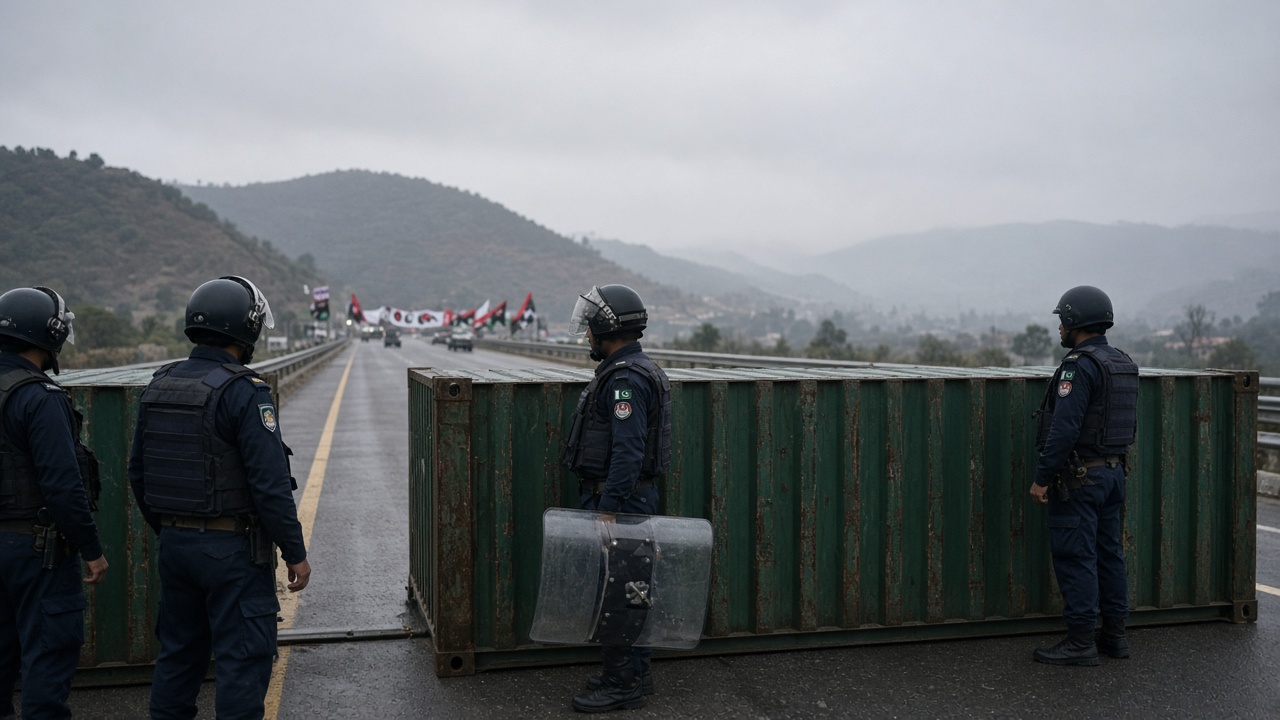
The emergency order lands as Khan's supporters have staged rallies demanding his release and threatened a march on the capital in coming days. Authorities detained three of Khan's sisters and hundreds of activists ahead of the planned demonstration, according to party aides, while shipping containers and large police deployments blocked major highways into Islamabad.
Khan aide Zulfikar Bukhari called the move "more of a coup disguised as emergency," warning it could deepen instability. Chief Minister Sohail Afridi, a Khan ally, faces restrictions on his movements, a close aide told Reuters. The party's last mass protest two years ago ended in deadly clashes with security forces, and Khan's 2023 arrest had already triggered nationwide riots that rattled the military's standing.
What happens next
Sharif told the cabinet that security forces and civilians had faced attacks for two years and that the government could not remain a "silent spectator." With inflation and fuel costs fueling broader public anger, the confrontation between Khan's movement and the Sharif-Zardari coalition is likely to intensify even as troops fan out in a province central to Pakistan's fight against cross-border militancy.
Western diplomats will watch whether the six-month suspension stabilizes security or instead sharpens the political crisis that has kept Khan behind bars while his party still controls Khyber Pakhtunkhwa on paper. Further court rulings on Khan's remaining convictions and the opposition's ability to reach Islamabad despite the lockdown will shape whether Sunday's emergency becomes a turning point or another episode in a years-long power struggle.