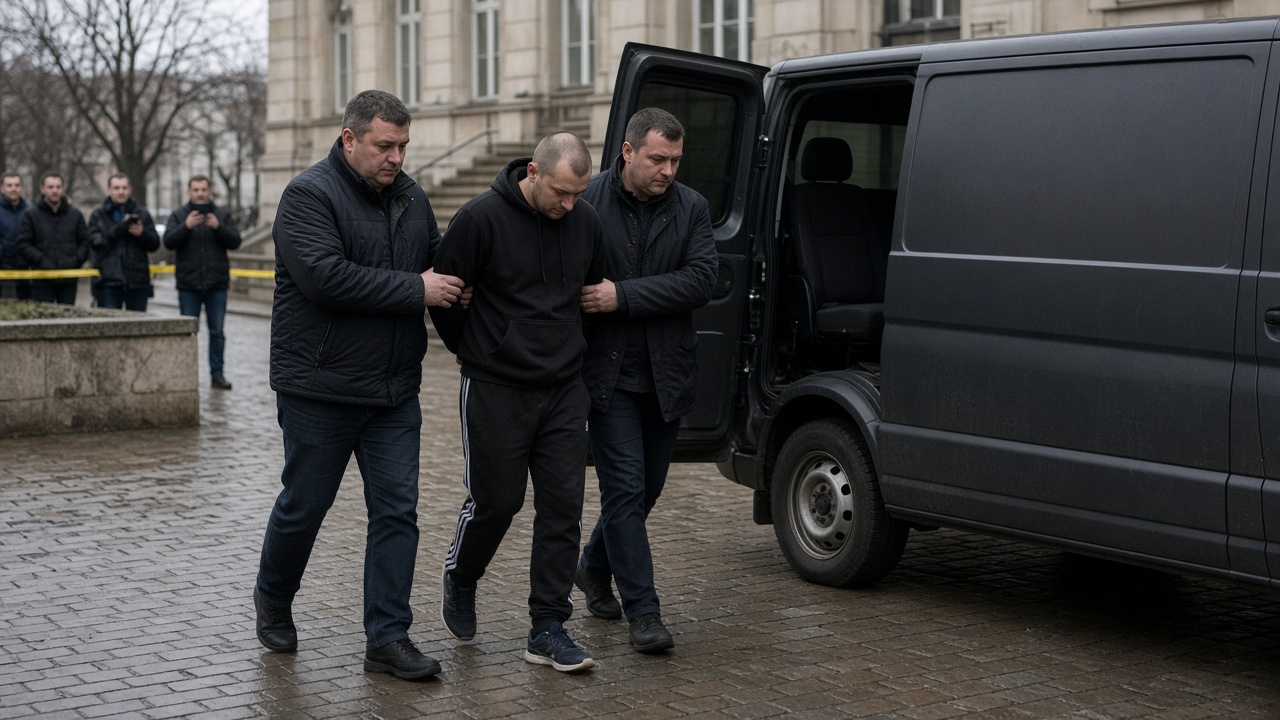
Polish authorities detained a man in his sixties on Sunday after police and the State Protection Service received what the interior ministry described as credible information about a possible assassination plot against Prime Minister Donald Tusk and Defence Minister Władysław Kosiniak-Kamysz. Security coordinators convened an emergency session at the counter-terrorism center as officials said they were treating the threat as deadly serious.
How the plot surfaced
Interior Ministry spokeswoman Karolina Galecka said the State Protection Service, which guards senior officials, forwarded an email to police containing information about a potential attack. Jacek Dobrzyński, spokesman for the special services coordinator, told Polish media that investigators saw a strong likelihood the threats could be carried out, not merely online bravado.
Police arrested the suspect in the Lower Silesia region. Interior Minister Marcin Kierwiński said on television that services identified the man through detailed analysis of material found online and that procedural work on his contacts and internet activity was continuing. He described the detainee as active in groups promoting extreme views and maintaining radical contacts through the internet, while adding that it was too early to say whether he was tied to a political party.
Tusk thanks police as schools remain on edge
Tusk, who returned to the premiership in 2023 after an earlier term from 2007 to 2014, thanked police on Sunday for swift and decisive action. The detention came on a weekend when Poland was already grappling with a spate of violent incidents at schools, which Tusk had described as spontaneous actions fueled by the glorification of violence online rather than a single ideology, though he noted some detainees in those cases had ultraright links.
Poland shares a long border with Ukraine and has reported a steady drumbeat of hybrid security incidents that Warsaw attributes to Russian disruption efforts. Sunday’s emergency meeting linked police, the protection service and the Internal Security Agency, underscoring how domestic extremism and external pressure are colliding in Warsaw’s security planning.
What happens next
Prosecutors have not publicly detailed charges, and officials gave no timetable for court proceedings. Galecka and Dobrzyński emphasized that investigative steps were ongoing. For Tusk’s coalition government, the episode is both a operational test for protective services and a political moment: opposition parties have long accused the cabinet of being soft on security, while civil liberties groups watch for any expansion of surveillance powers in response to online threats.
Western allies, many of whom rely on Poland as a front-line NATO state, will be watching whether Warsaw publishes more detail about the suspect’s network or keeps the case sealed while other inquiries continue. For now, the government’s message is narrow and emphatic: the threat was treated as real, and the prime minister and defence minister remain under enhanced protection.