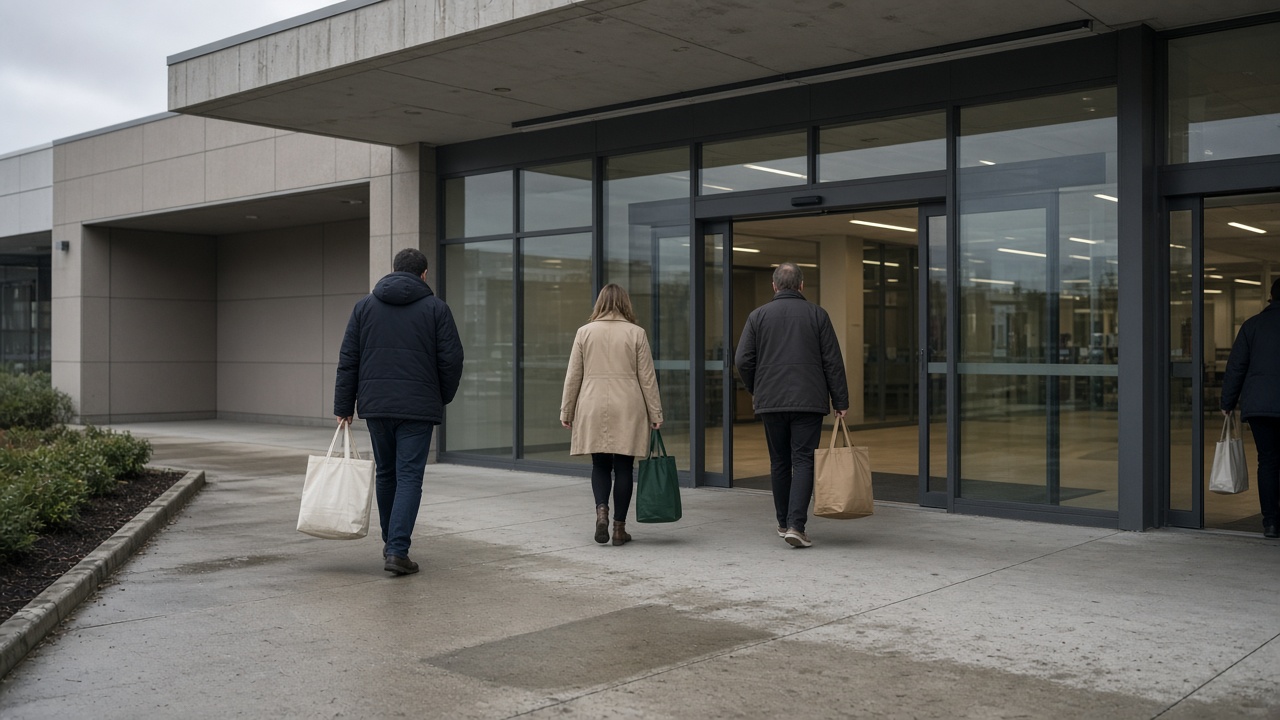
The Australian Retailers Association has warned that the Reserve Bank of Australia’s September lift to a 4.60 percent cash rate will erode November trading margins long before Christmas receipts are counted, as households already hunting discounts face higher mortgage bills and petrol prices near recent peaks.
ARA chief industry affairs officer Fleur Brown said discretionary categories that depend on a strong spring trade—furniture, appliances and fashion—are the most exposed when borrowing costs rise just as retailers lock in peak-season inventory. Many operators absorbed freight and wage inflation through the first half of the year and cannot pass another layer of costs through without losing price-sensitive shoppers.
Promotions replace impulse
Survey data compiled for the association shows consumers are delaying big-ticket purchases until advertised sales events. Retail Safari’s September intentions report put average planned Christmas gift spend at $698, a nominal rise that barely moves once inflation is stripped out. More than one-third of respondents said they would spend more than last year, yet debit cards and buy-now-pay-later caps suggest those plans are conditional on discounts rather than looser household budgets.
Westpac and Melbourne Institute consumer sentiment slid to 84.4 in September, roughly 12 percent below the same week a year earlier. NAB’s consumer stress index remains above its long-run average, with seven in ten households citing living costs and more than eight in ten reporting higher bills over the past three months. For store managers, that translates into leaner basket sizes and more returns when post-purchase regret sets in.
Administrations in the rear-view mirror
Corporate insolvency figures are already elevated. Australian Securities and Investments Commission data show 9,300 companies entered external administration in the year to 28 February 2026, about 76 percent above the five-year average. Retail and hospitality led the distress list, and CreditorWatch notes café closures running at roughly double the national business failure rate. National chains including Barbeques Galore and Lincraft have restructured or exited physical stores, a reminder that even recognised brands are not immune when rate-sensitive customers defer renovations and hobby spending.
Deloitte Access Economics had pencilled real retail growth slowing from 2.8 percent in 2025–26 to 1.5 percent in 2026–27 before the latest rate move. Clothing and footwear growth is expected to flatline near 0.1 percent, while household goods could shrink as fewer property transactions drag on whitegoods and flooring. Department stores and large online players may still grow, but at barely half last year’s pace.
What retailers are doing now
Merchants interviewed by the ARA said they are pulling forward Black Friday marketing, tightening roster hours and renegotiating rent abatements where foot traffic has not recovered to pre-pandemic patterns. Suppliers of imported goods face an additional headwind from a softer Australian dollar against the US currency, which raises landed costs for electronics and apparel sourced from North Asia.
Brown urged the federal government to keep energy bill relief targeted at low-income households, arguing that utility shocks show up quickly in discretionary retail categories. Without relief, she said, the industry risks a repeat of 2023’s pattern, when a late-year rate pause arrived too late to salvage missed spring sales.
The RBA board next meets on 3 November. Markets are pricing a meaningful chance of another 25-basis-point increase if September-quarter inflation prints hot. Retailers said they are modelling both outcomes but cannot wait for clarity before setting November prices.