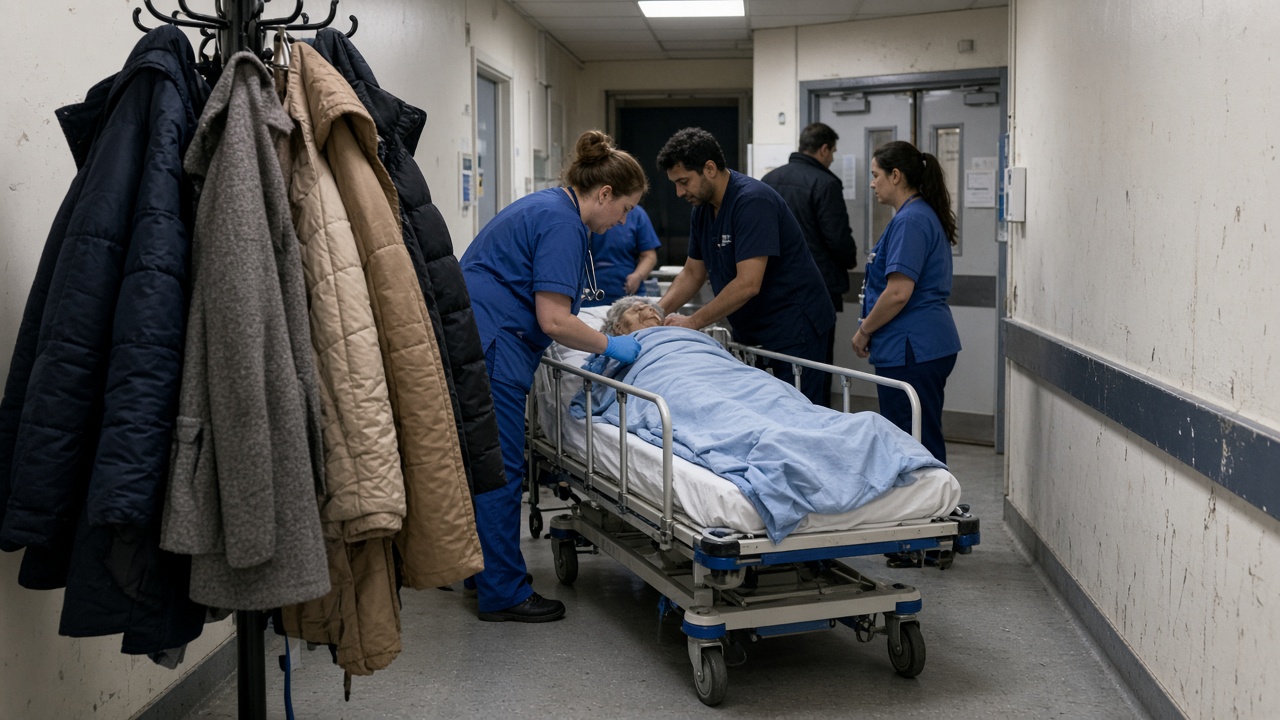
Scotland’s emergency departments are delivering care that senior clinicians describe as unsafe, with patients routinely treated on corridor trolleys for days at a time, according to a warning aired on Sunday ahead of another difficult winter for the National Health Service. Dr Fiona Hunter, vice chair of the Royal College of Emergency Medicine Scotland, told BBC Scotland’s The Sunday Show that she is “completely terrified” about the months ahead and that corridor care has become a “toxic normalisation” that can cost lives.
Hunter’s comments land eight weeks after Health Secretary Angela Constance promised in August to “eradicate” corridor care, a practice in which admitted patients wait in emergency areas because no inpatient beds are free. Constance repeated on Sunday that the practice is unacceptable, but Hunter said little had changed on the ground: some hospitals still report 72-hour waits, and month-on-month data show nearly 2,000 patients affected across the country.
Minister acknowledges a “year-round crisis”
Constance told the same programme that the coming winter would be “difficult,” citing rising demand for GP appointments, delayed discharges into social care and staff vacancies. She said the Scottish government is trying to reduce avoidable hospital admissions and speed up transfers when patients no longer need acute treatment. Cosla health spokesman Councillor Paul Kelly agreed that pressures now amount to a year-round crisis rather than a seasonal spike.
The exchange highlights a gap between political commitments and operational reality. Emergency physicians say corridor care is not merely uncomfortable; it delays definitive treatment, increases falls and infections, and leaves nurses monitoring critically ill patients without proper monitoring equipment. Hunter argued that normalising the practice signals to staff and the public that standards have permanently slipped.
Targets, funding and winter planning
Scottish ministers have set targets to cut the longest emergency waits, including a pledge that no patient should wait more than 12 hours for admission after a decision to hospitalize. National data show progress has been uneven, with rural boards and urban teaching hospitals facing different bottlenecks. Social care shortages mean medically fit patients cannot leave hospital, clogging beds needed for new admissions from ambulances queuing outside.
Opposition parties at Holyrood are likely to seize on Hunter’s interview when Parliament returns, arguing that consecutive SNP governments have underinvested in capacity despite annual winter plans. The government points to record staffing numbers in some roles and extra funding for urgent care centers, but frontline doctors counter that headline recruitment figures mask gaps in experienced middle-grade doctors and nurses willing to work nights in overstretched departments.
What patients can expect
With flu vaccination campaigns beginning and respiratory viruses historically peaking after Christmas, emergency leaders are urging the public to use GP and pharmacy services when appropriate while warning that genuine emergencies may still face long waits. Constance insisted the NHS remains “safe” but conceded that delivering the right care at the right time is not guaranteed everywhere.
For Scots weighing elective surgery delays against emergency risk, Hunter’s warning is blunt: without a credible plan to free beds and staff before temperatures drop, this winter could replicate last year’s scenes of corridors lined with trolleys and ambulances unable to hand over patients. The political promise to end corridor care has not yet translated into a winter NHS that emergency doctors say they can defend.