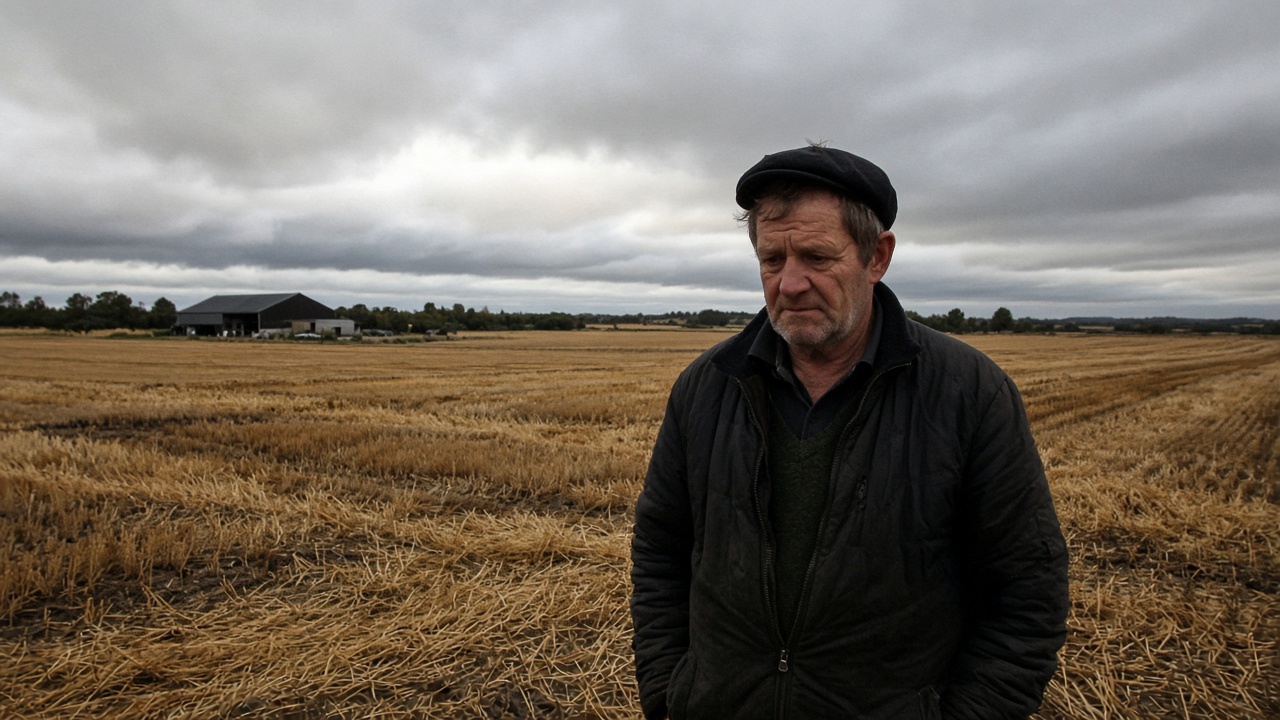
British farmers said some producers “are not going to make it” through the next growing season as Parliament prepares to open an inquiry into the country’s food security on Monday. The warnings, aired ahead of the Public Accounts Committee’s first evidence session, cast the UK’s supermarket shelves as the visible end of supply chains strained by record summer heat, a weak cereals harvest and rising input costs.
Why MPs are intervening now
The committee’s probe follows a run of official reports—including work by the National Audit Office—that urged ministers to treat food resilience with the same urgency as energy or defence. Lawmakers plan to question civil servants and industry witnesses about whether Defra’s policies keep enough domestic production in the ground when global markets spike.
Farm leaders told the Guardian that the UK’s first link in the chain is under acute pressure. Many cereal growers reported disappointing yields after the hottest summer on record, while livestock producers face higher feed bills tied to global grain prices still elevated by the war in Ukraine and Middle East shipping disruptions.
Supermarkets and thin margins
Producers argue that retailer buying power leaves farms carrying climate and currency risk even when shelf prices rise. Several horticulture businesses said energy-intensive glasshouse production was scaled back this year, increasing reliance on Spanish and Moroccan imports for winter vegetables.
The British Retail Consortium has countered that shops absorbed cost inflation to protect consumers during the cost-of-living crisis, but farmers’ unions want transparent contracts that pass through spikes in fuel, fertiliser and labour. Without them, tenant farmers on short leases say they cannot justify reinvestment in soil health or flood defences—both flagged as weaknesses after last winter’s storms.
El Niño and the weather ledger
The Met Office has warned that the current El Niño could drive a wetter-than-average autumn, raising the risk of saturated fields at planting time. Combined with the Environment Agency’s estimate that 6.3 million homes and businesses in England face flood risk, agricultural groups fear another year of drowned acreage in the Midlands and Yorkshire.
Ministers have promised at least £10.5 billion for flood protection through 2036, but farm lobbyists say embankments around productive land lag behind urban schemes. They want Monday’s hearings to link flood spending with food output targets rather than treating them as separate budgets.
What the inquiry will test
Committee members are expected to ask whether the government’s food strategy metrics—import dependency, self-sufficiency by category, and storage capacity—are updated quickly enough to guide trade deals. Brexit-era labour shortages in packing houses and abattoirs remain a recurring complaint, with some producers turning to automation that requires capital many family farms lack.
For shoppers, the immediate question is whether shortages stay limited to seasonal produce or spread to bread and dairy if more growers exit. Farmers heading to Westminster on Monday said they are not asking for open-ended subsidies, but for a credible plan that keeps British fields in production before the next price shock makes import dependency a political crisis as well as an economic one.