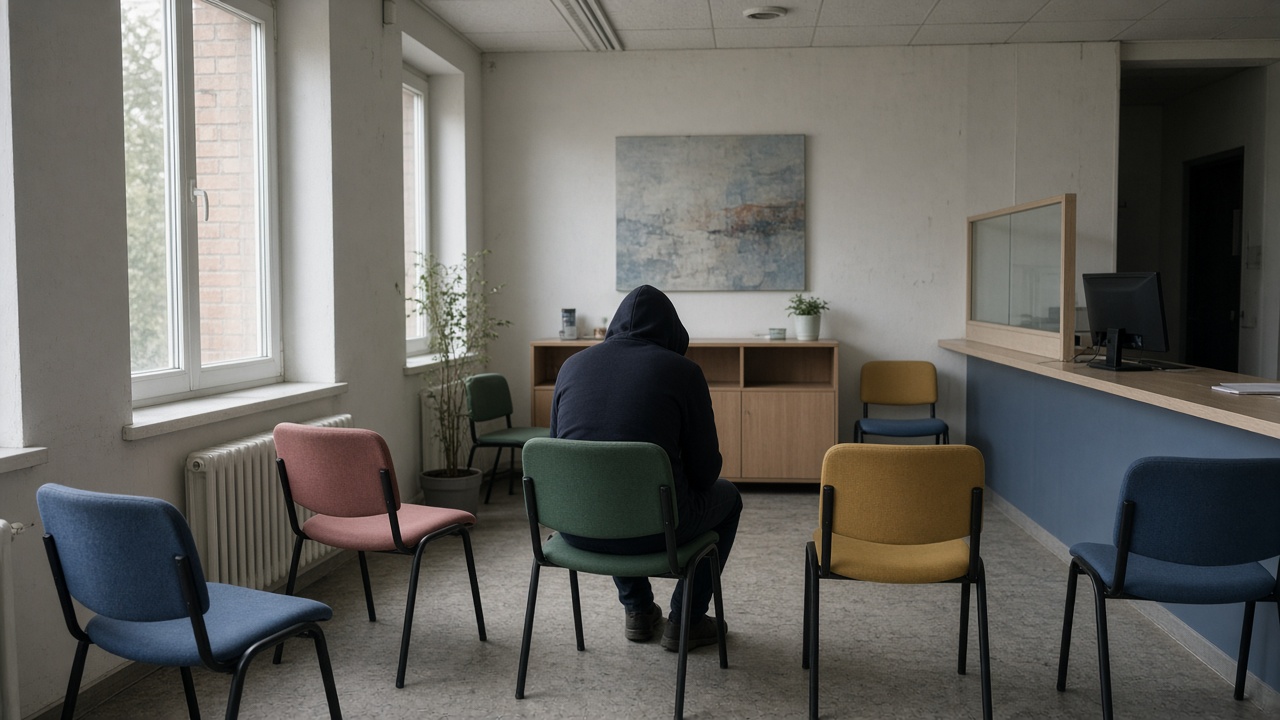
The Ministry of Health (MOH) will open a public consultation on parental consent rules for youth mental health services, Health Minister Ong Ye Kung said, acknowledging that fear of parental notification keeps some teenagers from seeking help until emergencies force hospital admission.
Ong announced the feedback exercise alongside plans to rename and expand the Institute of Mental Health (IMH) at Buangkok. Clinicians, school counsellors, and voluntary welfare groups will be asked how consent should work when adolescents request therapy, medication reviews, or crisis intervention—settings where delayed care can translate into self-harm risk.
Why consent blocks care
Singapore law generally empowers parents to make medical decisions for minors, but mental health professionals sometimes judge that insisting on immediate parental involvement deters disclosure. School counsellors report students asking whether parents will see digital records before they admit to bullying, academic stress, or substance experimentation. Without clear MOH guidance, each provider improvises, creating uneven access between affluent schools with onsite psychologists and neighbourhood clinics that lack after-hours cover.
Ong said MOH is updating ethical guidelines for doctors to clarify when treating without parental knowledge is in the patient’s best interest. The consultation will test whether Singapore should codify age thresholds, risk exceptions, or mandatory follow-up with families after stabilisation—models used in other jurisdictions with mixed results.
Link to campus expansion
A larger IMH campus by 2040 adds beds and research capacity, but Ong argued bricks alone cannot fix help-seeking behaviour. World Mental Health Day messaging this year focused on young people, citing rising anxiety and mood disorders in outpatient statistics. Paediatricians say primary-care visits for psychosomatic complaints rise during examination seasons, yet referrals to specialists still lag because families worry about Permanent Record myths.
MOH has not published a consultation start date, but officers told reporters feedback channels would open “in the coming weeks,” likely online and through schools’ parent support groups. Mental health advocates want separate youth-facing sessions so teenagers can speak without guardians in the room.
Service providers on alert
Polyclinics, family medicine chains, and telehealth startups must prepare for new documentation rules once guidance lands. Insurers that bundle mental health riders may need to adjust privacy notices. IMH’s youth services will probably pilot the clarified consent pathways before they roll nationwide.
For parents, the consultation is a chance to voice legitimate involvement interests without dismissing confidentiality. For youths, it is a test of whether Singapore will treat mental health like dental care—routine, reimbursable, and private—or like a disciplinary file. Ong’s tone suggested MOH favours the former, but the consultation will determine how much room minors get to enter the door alone.