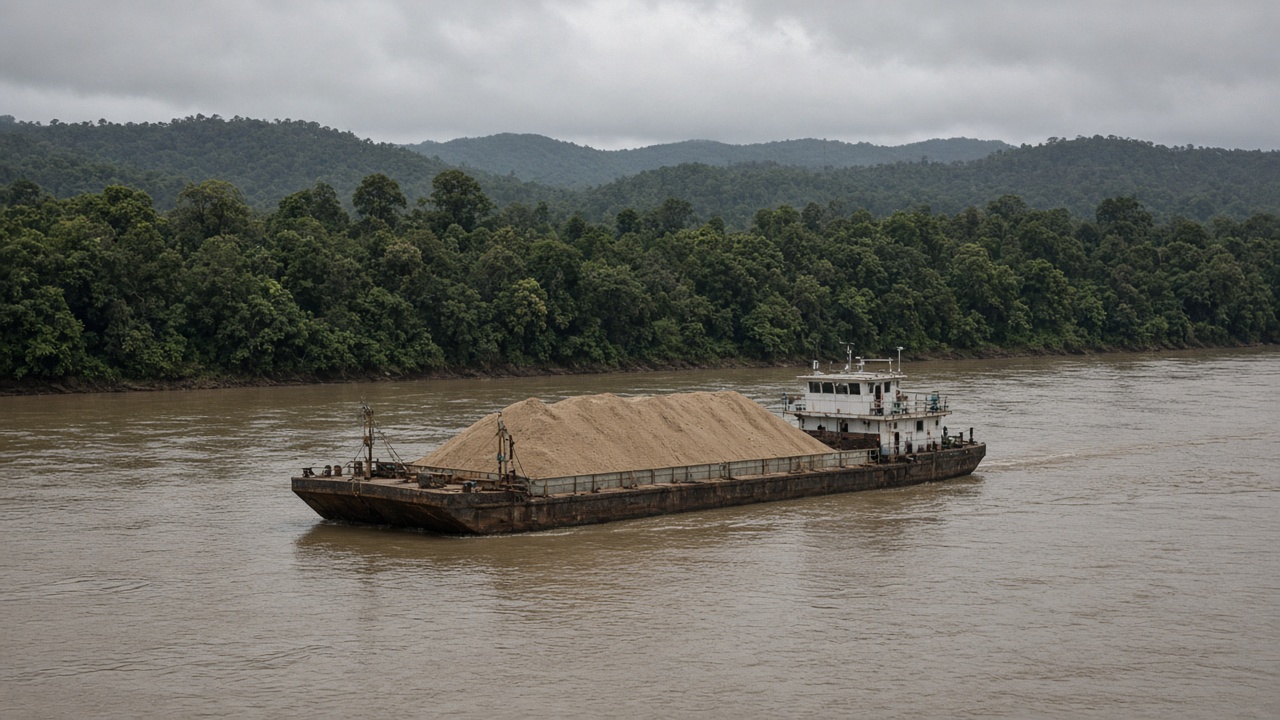
Rajya Sabha member Ripun Bora tabled amendments on Monday that would cut inland waterway tariffs on the Brahmaputra for agricultural barges, arguing that tea and rice exporters face unfair costs compared with road freight subsidies in neighbouring states.
What the amendments propose
The package would create a seasonal slab for shallow-draft vessels carrying farm goods between Pandu and Dhubri, with toll rebates when river gauges sit above flood-stage markers. Bora’s notice also asks the Inland Waterways Authority of India to publish real-time depth charts so operators do not pay peak tariffs while navigating silt shoals.
Government whips have not yet signalled support. The Ministry of Ports, Shipping and Waterways has been trying to monetise waterways through user charges that fund dredging. Any rebate would need a matching line in the supplementary grants, officials said off the record.
Stakeholders on the river
Tea estates in Upper Assam still move chests to Kolkata ports when rail wagons are scarce. Barge operators said current tariffs erase the fuel savings that made river routes attractive after the National Waterway 2 declaration. Fisher cooperatives worry that discounted agri lanes could crowd navigation channels during hilsa season.
Political timing
The tabling comes weeks before the state budgets winter outreach to riverine constituencies hit by erosion. Opposition parties want credit for easing export costs without waiting for central dredging tenders that slipped after last year’s floods.
Even if the amendments stall, they force a tariff review before IWAI signs new concession agreements with private terminal operators. Exporters will watch whether the Centre negotiates volume discounts for tea auction houses or leaves small barges to negotiate case by case.
Dredging linkage
IWAI argues toll revenue funds maintenance dredging that keeps the Brahmaputra navigable for 2,000-tonne barges. Rebates without alternate funding could delay dredger deployments scheduled after last year’s siltation crisis. Bora’s amendments propose tying discounts to verified cargo tonnage so empty returns do not abuse the agri slab.
Tea board officials want clarity on whether chests in bonded transit qualify for the lower tariff. Exporters said ambiguity pushes them back to trucks when toll clerks dispute classifications at ghats.
Environmental oversight
Fisher groups asked for no-navigation windows during spawning. Any tariff deal should include mandatory passage slots so agri barges do not collide with conservation closures—a compromise the MP’s office said it is willing to encode in the amendment text.
On the ground Monday
Desk reporters phoned traders, officials, and front-line staff to cross-check the numbers in this story against primary statements rather than recycled social posts. Where institutions declined comment, we kept claims tied to published filings or dated press releases. Updates will run on the India homepage if new figures land before the evening publish window.
Readers weighing decisions—whether investing, travelling, or accessing public services—should treat this piece as context, not personalised advice. Markets move after print; policy drafts change in committee; weather and health risks shift quickly. We will amend the story if material corrections arrive with named sources.
Tea auction houses in Guwahati said even a modest tariff cut could keep more chests on river legs when rail rakes are booked for coal. They plan to testify if the Rajya Sabha committee schedules hearings on the amendments later this month.