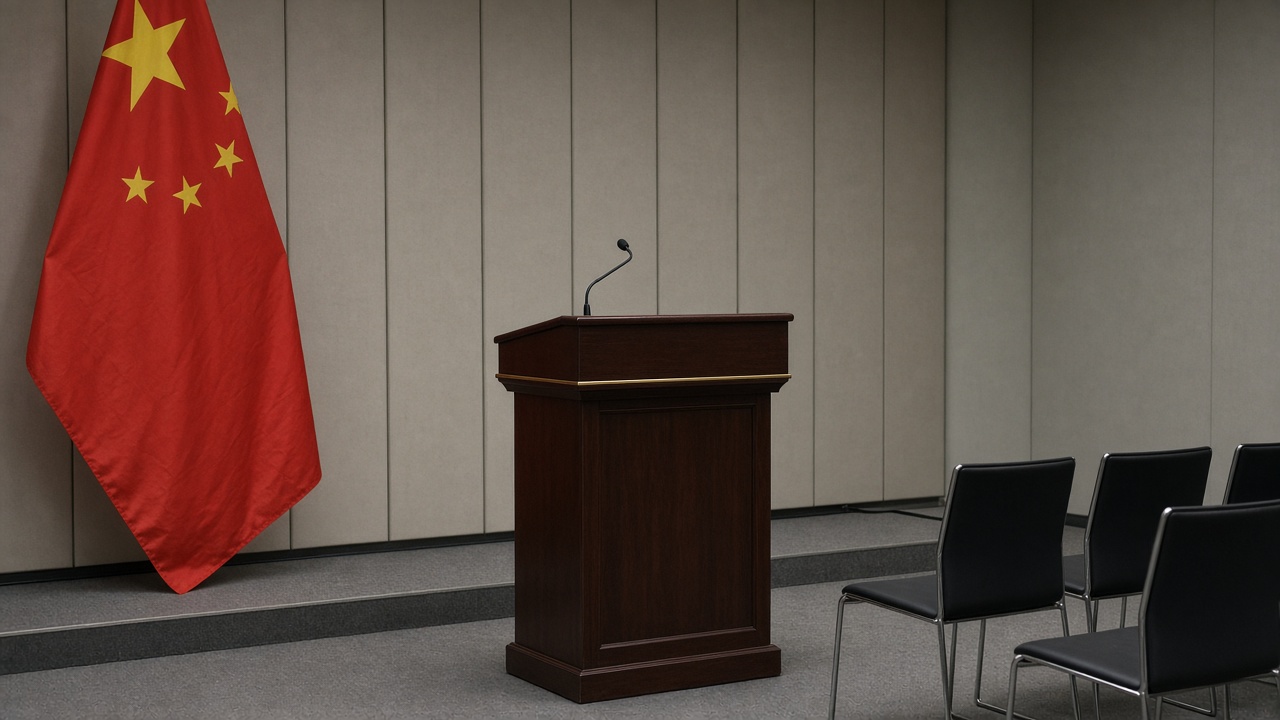
China imposed sanctions on Monday against Paraguay’s communications minister and Belize’s foreign minister, freezing any assets they hold in China and barring them from Hong Kong and Macau as Beijing escalates pressure on the dozen governments that still maintain formal ties with Taiwan.
The Chinese foreign ministry said the measures took effect immediately. They prohibit Chinese organisations and individuals from dealing with Gustavo Villate of Paraguay and Francis Fonseca of Belize, and they deny the ministers visas for Hong Kong and Macau. Beijing framed the step as defending national sovereignty and opposing what it called Taiwan “separatist” activity.
What triggered the designations
Officials in Beijing said “certain anti-China politicians” had put their own interests ahead of relations with China by keeping diplomatic recognition of Taipei. The ministry said Villate and Fonseca had taken “egregious actions and statements” that damaged China’s core interests, though it did not publish a detailed charge sheet.
The timing is deliberate. Taiwan marked its National Day on Saturday with a speech in Taipei in which President William Lai Ching-te said the island cherishes peace and will not surrender its freedoms. China’s Taiwan Affairs Office condemned the address, saying it distorted facts and misled the public. Monday’s sanctions land on the first full business day after that holiday weekend.
Paraguay and Belize are among only 12 United Nations members that still exchange ambassadors with Taiwan rather than Beijing. Most of the rest of the world recognises the People’s Republic under its “one China” policy, while many capitals—including Washington—maintain unofficial ties and security cooperation with Taipei.
How the allies responded in public
Paraguay’s communications ministry had marked Taiwan’s National Day on social media, praising a relationship built on “shared values” such as democracy and self-determination. Belize’s embassy in Taipei posted a message celebrating 37 years of diplomatic relations and “lasting friendship.”
Taiwan’s foreign ministry had already been courting deeper cooperation in the Americas. Foreign Minister Lin Chia-lung visited Belize last month, and his office said both sides agreed to broaden ties. Guatemala and Haiti are Taiwan’s other formal partners in the Western Hemisphere, alongside three Caribbean states.
China has used travel bans and asset freezes before against politicians who meet Taiwanese leaders or lobby for Taipei’s inclusion in international bodies. The latest order extends that playbook to cabinet-level figures in two small states Beijing views as symbolic rather than economically decisive.
What comes next for Taiwan’s partners
Neither Asunción nor Belmopan is likely to shift recognition quickly. Paraguay’s President Santiago Peña has repeatedly ruled out abandoning Taiwan, and Belize’s government has treated the Taipei relationship as a bipartisan fixture. Still, Chinese economic pressure—through trade, investment screening and tourism—has peeled off other recognisers in past decades.
Taipei is watching whether more ministers in its remaining ally pool face similar penalties after National Day events. The United States, which is legally bound to help Taiwan maintain a self-defence capacity though it has no embassy in Taipei, delivered two fighter jets to the island earlier this month as part of a broader arms package.
Chinese President Xi Jinping told a January gathering that reunification with Taiwan is “unstoppable,” language Taipei rejects as a threat to its de facto independence. Monday’s sanctions do not change the military balance across the Taiwan Strait, but they signal that Beijing will punish even mid-ranking foreign officials who celebrate ties with Lai’s government in public.