The BSE Smallcap index rose 0.59% in Monday’s session as Apar Industries and Crompton Greaves Consumer Electricals extended gains that began when traders rotated out of large-cap IT weights and into domestic electricals ahead of the September-quarter earnings corridor.
Leaders and laggards
Apar Industries closed near the day’s high after cable and conductor orders from grid utilities stayed on investors’ minds. Dealers said block volumes picked up in the last hour as foreign portfolio investors covered shorts in capital-goods names that had been sold on global growth worries.
Crompton Greaves Consumer Electricals outpaced the broader consumer durables basket. Distributors in western India reported steady fan and pump sales after a late monsoon withdrawal, and the stock benefited from talk that festive replacement demand would show up in channel checks before official results land.
Why electricals led
Power-grid capex visibility has improved since states cleared pending payments on transmission packages. That flow helps cable makers and switchgear suppliers more than it helps generic midcaps. Apar’s exposure to speciality oils and polymers added a second leg when lubricant margins held despite volatile base-oil imports.
Meanwhile, large-cap IT names struggled with client spending caution, pushing fund managers to hunt beta in companies tied to housing electrification and rural pump upgrades. The smallcap gauge became the natural receptacle for that trade because many electrical brands sit outside the Nifty 50.
Positioning into earnings
Derivatives desks reported rising open interest in smallcap ETFs as a hedge against single-name result shocks. With CPI prints due midweek, some traders trimmed use but kept core longs in companies that already pre-announced volume growth.
Analysts cautioned that the rally is selective. Names without order-book visibility could give back gains if management guides conservatively on input costs. For now, Apar and Crompton are acting as telltales: if they hold Monday’s levels after results, the broader electrical complex may keep drawing inflows from domestic institutions that have been underweight the segment since July.
Flows and foreign positioning
Foreign portfolio investors were net buyers in six of the last eight sessions in the smallcap segment, according to provisional depository data. That flow often chases industrial names when the rupee stabilises against the dollar and oil import bills ease. Dealers said Monday’s move was as much about macro relief as it was about company-specific order books.
Domestic mutual funds added smallcap allocation in September SIP flows after large-cap growth funds lagged benchmarks. That systematic buying provides a floor when global risk-off events hit. Electrical stocks sit in the sweet spot because they are liquid enough for fund mandates yet small enough to benefit from local capex narratives.
Risks on the horizon
Copper and aluminium input costs remain volatile despite the rupee’s recent steadiness. Management teams that locked in hedges through December will look smarter than peers buying spot on the day of the results call. Traders are pricing a modest beat for Apar but want proof that conductor margins did not erode when freight surcharges reset in September.
Regulatory changes on energy efficiency labels for appliances could shift Crompton’s mix toward premium BLDC fans. The stock’s Monday pop partly reflects anticipation that star-label upgrades will pull market share from unorganised players after Diwali promotions end.
On the ground Monday
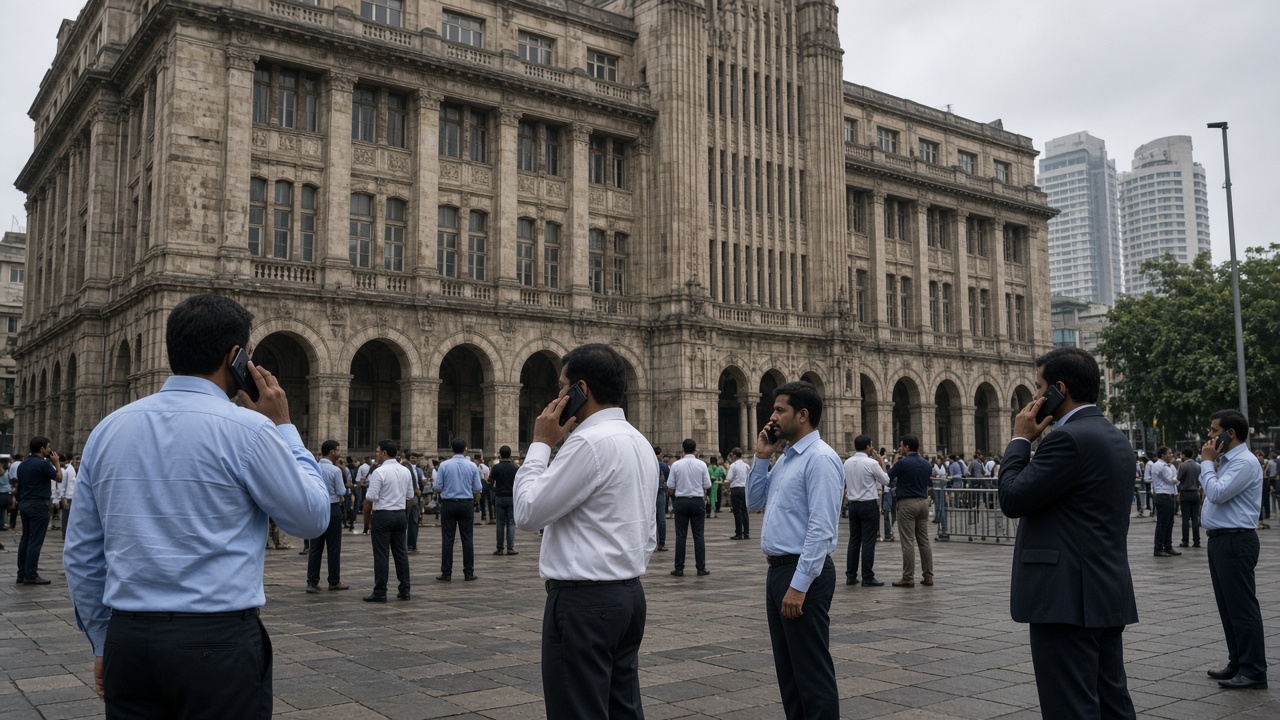
Desk reporters phoned traders, officials, and front-line staff to cross-check the numbers in this story against primary statements rather than recycled social posts. Where institutions declined comment, we kept claims tied to published filings or dated press releases. Updates will run on the India homepage if new figures land before the evening publish window.
Readers weighing decisions—whether investing, travelling, or accessing public services—should treat this piece as context, not personalised advice. Markets move after print; policy drafts change in committee; weather and health risks shift quickly. We will amend the story if material corrections arrive with named sources.
State-owned insurers increased smallcap index exposure in September portfolio statements, adding another layer of domestic support if global funds stay cautious.