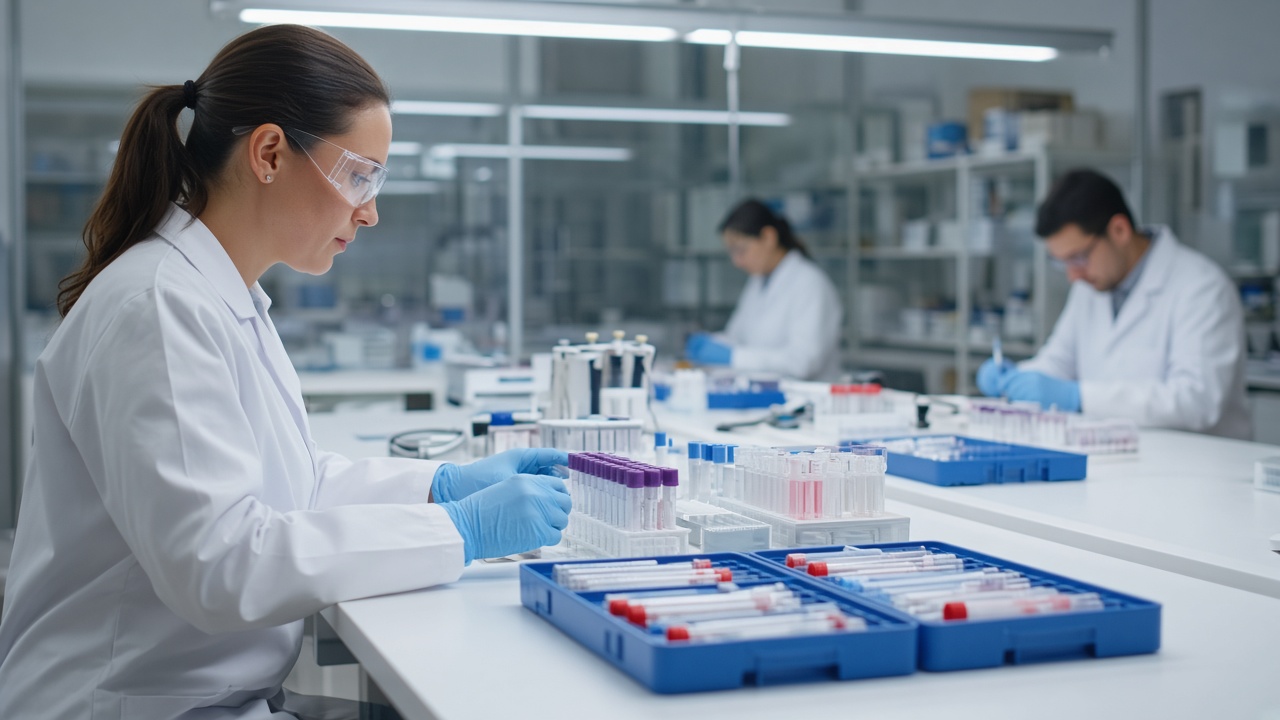
The National Cancer Center told prefectural health boards that colorectal screening backlogs are stretching past eight weeks in several graying regions, as post-holiday demand collides with lab staffing gaps that delay fecal immunochemical test processing.
Where delays cluster
Center bulletins name Tohoku and Shikoku prefectures where residents over 40 returned mailed kits after Sports Day travel, flooding contracted labs already short on technicians. Positive screens require colonoscopy referrals; when the first step stalls, downstream cancer detection slips — the metric oncologists watch more than raw kit return rates.
Ministry of Health, Labour and Welfare cancer-control plans set national uptake targets, but fulfillment is local. Municipal offices report call-center volume spikes asking when results will arrive; some redirected residents to neighboring prefectures with spare capacity, paying transport subsidies out of contingency funds.
Workforce and workflow
Japan Medical Association surveys show primary-care clinics losing nurses to higher-paying hospital jobs. Labs that automated kit scanning still need humans for abnormal flag review. National Cancer Center guidance recommends batch shipping three times weekly; some sites dropped to twice, triggering the warning letter prefectures received Monday.
Statistics Bureau aging data highlight the demand curve: municipalities where over 35 percent of residents are 65 or older see higher kit participation when mobile screening buses visit, but buses cannot replace lab throughput.
Patient stakes
Colorectal cancer remains among the most treatable when caught early; eight-week delays mostly affect stage shift at the margin, not instant emergencies. Oncologists nonetheless worry about symptomatic patients waiting behind asymptomatic queue backlogs — triage protocols vary by hospital.
Insurers covering workplace health checks face parallel delays; corporate HR departments in Osaka and Nagoya filed group complaints through federations, pressuring labs to publish service-level dashboards.
Policy responses in play
MHLW officials floated temporary reimbursement bumps for overtime lab shifts, unfunded until the next supplementary budget debate. Digital startups pitching AI slide readers must clear medical device pathways — not a October fix.
Prefectures with spare university hospital pathology departments offered loaner technicians under mutual-aid agreements; the National Cancer Center tracks which MOUs actually moved kits versus press-release promises.
What readers can do
If you mailed a kit, check municipal portals before calling. If you have symptoms, skip the mail-in queue and seek direct referral — backlogs are not an excuse to ignore bleeding. For healthy neighbors, patience helps, but transparency on wait times is the minimum owed in Japan's aging screening pipeline.
Rural versus urban gaps
Tokyo wards with hospital-owned labs report two-week turnarounds, masking the eight-week pain in neighboring prefectures that mail samples to distant contractors. The National Cancer Center wants prefectures to publish median wait times weekly, not quarterly — a transparency step several governors resisted as "alarmist" until Monday's warning.
Mobile screening buses returning from Sports Day events in Akita and Kochi carried extra kits but no extra centrifuges; the bottleneck stayed at the loading dock, not the collection tent.