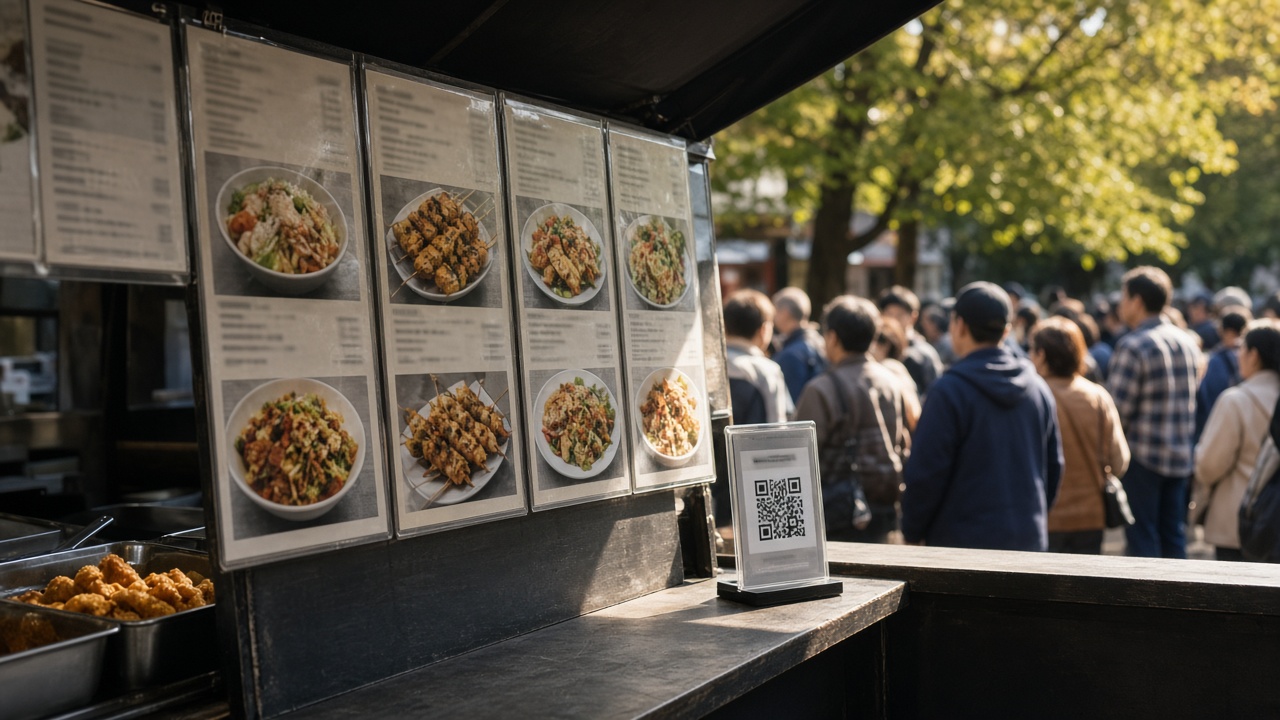
The Japan Fintech Association issued a nationwide alert Monday about QR-code payment skimming at outdoor festival stalls, describing how fraudsters overlay fake PayPay codes on vendor signs to steal mobile wallet transfers during Sports Day crowds when booth staff cannot watch every poster.
How the scam works
Association bulletins document cases from Kanto and Kansai where laminated QR sheets were glued atop legitimate merchant codes. Shoppers scanning the top layer sent money to mule accounts before vendors noticed missing sales. Because transfers settle instantly, reversal windows are narrow unless issuers flag merchant mismatch patterns.
PayPay's public security guidance urges users to confirm recipient names on the confirmation screen and to avoid codes printed on loose paper without stall branding. The Fintech Association adds that stall owners should use rigid stands with tamper-evident seals and rotate static codes to dynamic merchant IDs where platforms allow.
Why festivals are vulnerable
Sports Day weekend draws yatai operators who may be seasonal businesses with thin back-office staff. Cashless adoption rose after the pandemic; tourists expect QR at ramen and taiyaki carts. High foot traffic, music, and smoke make visual inspection harder — exactly the environment skimmers exploit.
National Police Agency cybercrime summaries already logged rising mobile-payment fraud volumes this year; festival overlays are a subset but photogenic enough to trigger consumer TV segments. Local police departments in Saitama and Osaka posted photos of seized fake codes with account numbers redacted.
Platform and issuer responses
PayPay and competing wallets run merchant verification for registered businesses, but pop-up stalls sometimes register late or under personal accounts. The Fintech Association asks acquirers to speed vetting for event permits tied to municipal festival licenses. Consumer Affairs Agency helplines added scripts for QR disputes, though outcomes depend on whether users ignored name mismatch warnings.
Issuers can block mule accounts after pattern detection, yet money may already move onward. Association members agreed to share hashed merchant IDs of revoked stalls — a modest data-sharing step privacy lawyers cleared last month.
Practical steps for shoppers
Ask vendors to announce the payee name aloud, use in-app store search instead of scanning unknown paper, and keep screenshots if amounts look wrong. A five-second name check beats a week of chargeback paperwork.
For stall operators, morning setup should include fingernail checks under lamination corners and staff briefings to watch for strangers "adjusting" signage. Sports Day revenue is concentrated in hours; losing even ten transactions hurts micro vendors.
Outlook
The alert does not indict mobile payments — it asks the ecosystem to treat outdoor QR like ATM skimming: visible, physical, and defeated with habit. If overlays persist, expect municipalities to require registered dynamic codes on official festival maps next summer. Until then, the Fintech Association's warning is the holiday checklist item you actually read before buying shaved ice.
Merchant education push
Association staff will run booth hours at Saitama and Hyogo festival offices this week, handing laminated guides that show how to spot overlay edges. PayPay volunteers demo dynamic-code mode on tablets so elderly stall owners can switch without rewriting paper menus.
Insurance products covering cyber fraud for micro businesses remain rare; the Fintech Association is lobbying non-life insurers to bundle QR tamper coverage with event liability policies — a slow grind that will not help this weekend but might by next Sports Day.
Law-enforcement coordination
Prefectural cyber units asked wallet providers to freeze reported mule accounts within two hours when festivals supply stall license numbers upfront. That cooperation shaved response time in a July case in Chiba, according to an association case study circulated to members Monday.
Shoppers who realize they paid the wrong recipient should screenshot the wallet receipt and call the issuer before leaving the venue — GPS timestamps help investigators map which overlay was active when.
Longer-term fixes
Dynamic QR codes that refresh every few minutes are harder to overlay, but require stable internet at stalls. The association is testing battery-backed routers lent to festival organizers in a Shizuoka pilot; results arrive after November's culture week.