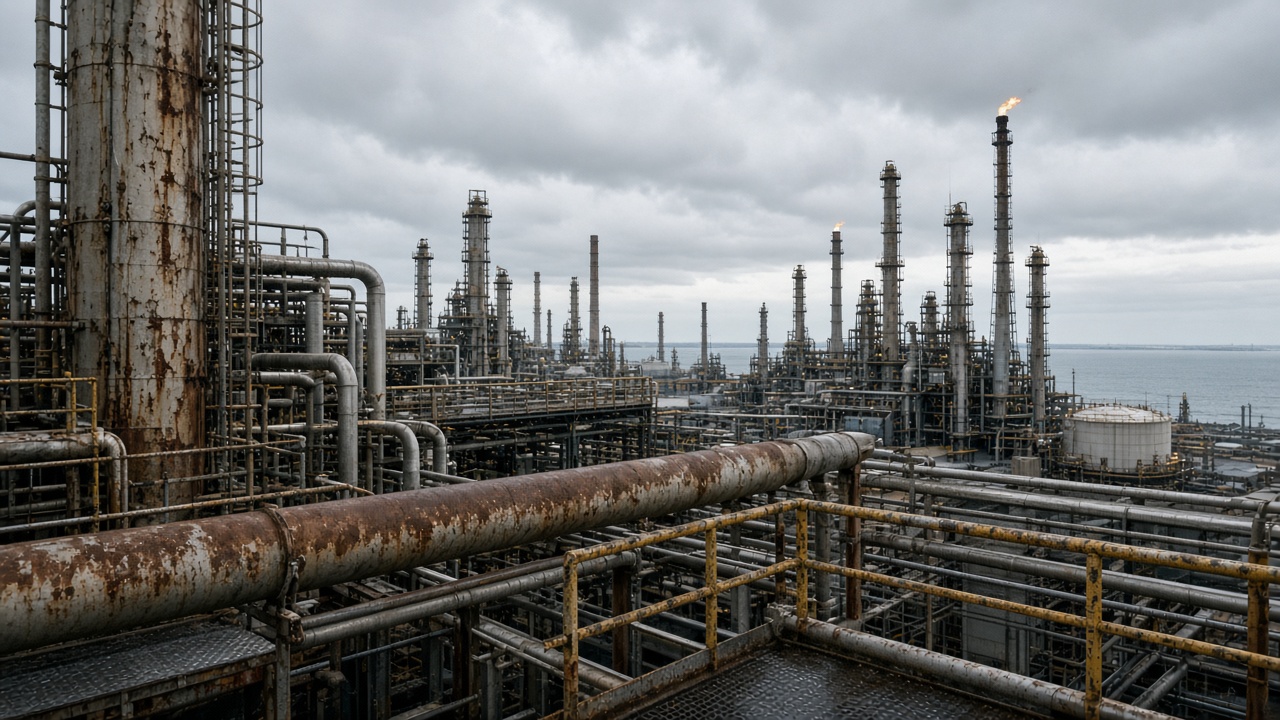
Formosa Plastics Group told regulators on Sunday that it will delay restarting one naphtha cracker train at its Mailiao complex until engineers finish inspecting storm-related damage along coastal pipe racks, a schedule slip that keeps ethylene feedstock tight for PVC and ABS plants that supply construction and electronics customers across Taiwan.
What failed the original restart date
Management had targeted a mid-October return for the No. 2 cracker after a planned maintenance outage. Field teams instead found salt intrusion in electrical conduits, insulation tears on elevated ethylene lines, and minor foundation scouring where Typhoon Krathon’s outer bands lashed Yunlin County earlier this month. None of the findings point to a loss-of-containment event, the company said in a filing to the Taiwan Stock Exchange, but operating without verified electrical integrity would violate internal safety protocols.
The delay affects roughly one-third of Mailiao’s nameplate ethylene capacity for about two weeks, according to analysts who track Formosa’s monthly operating rates. Downstream units that convert ethylene into vinyl chloride can run on inventory tanks for a limited window, but traders in Kaohsiung said spot ethylene discussions already firmed by a few U.S. cents per pound equivalent as buyers sought cover.
Local economy and power demand
Mailiao sits in one of Taiwan’s largest industrial parks, anchoring tax revenue and shift work for thousands of contractors. Yunlin officials asked Formosa to publish a day-by-day inspection timeline so suppliers can plan truck traffic on the coastal highway. The company agreed to daily briefings with the county fire bureau while aerial drone surveys continue over pipe bridges exposed to onshore wind.
Taiwan Power Company data show the complex remains a baseload electricity consumer even in partial shutdown because auxiliary units and cooling systems stay online. A prolonged cracker outage would not threaten residential supply, grid operators said, but it does remove a predictable load block that helps balance overnight frequency on the western corridor.
Market read-through for shareholders
Formosa Plastics Corp. shares have traded in a narrow band this quarter as investors weighed softer global PVC pricing against steady dividend payouts from the wider group. A short ethylene squeeze can lift integrated margins if PVC spot prices hold, yet the restart delay also pushes maintenance costs into a fourth quarter already crowded with typhoon-season contingency spending.
Credit analysts noted the group’s investment-grade profile and large cash buffers; they view the outage as operational rather than structural. Bondholders focused instead on whether any insurance recoveries apply to storm hardening upgrades the company accelerated after earlier west-coast floods.
Environmental scrutiny
Environmental groups in Yunlin asked the Ministry of Economic Affairs to publish third-party inspection results before the cracker fires again. Formosa said external consultants certified that flare systems and wastewater ponds remained within permit limits during the storm, but community advocates want infrared leak-detection scans posted online. The ministry said it will review logs during a site visit planned for next week.
For plant neighbors, the practical concern is odor and nighttime flaring during restart sequences. Company spokespeople promised to limit flaring to daylight hours where possible and to run community hotlines in Taiwanese and Vietnamese for contract crews.
Supply chain ripples
Electronics molders that buy ABS resin for housings typically contract quarterly, yet smaller buyers on the spot market may see delivery slips of several days if rail tank allocation shifts to priority customers. Construction pipe distributors in central Taiwan said they hold six weeks of inventory, enough to bridge a brief cracker gap without project delays.
Regional competitors in South Korea and the Middle East could backfill any export shortfall if Asian PVC prices rise, capping the upside for Formosa’s pricing power. Importers in Southeast Asia nonetheless watch Mailiao closely because Formosa volumes often set the tone for CFR Taiwan offers.
Timeline and next disclosures
Formosa pledged an updated restart window by October 18 after metallurgical tests on repaired conduit sections return from its laboratory in Changhua. If inspections clear, the company will follow a staged ramp: utilities first, then furnaces, then full ethylene rates with continuous emissions monitoring posted to regulators.
Until then, the story is a reminder that Taiwan’s petrochemical backbone remains exposed to typhoon tracks even when direct hits miss. A few weeks of delayed crackers can ripple through plastics markets that fabs and builders treat as mundane—until they are not.