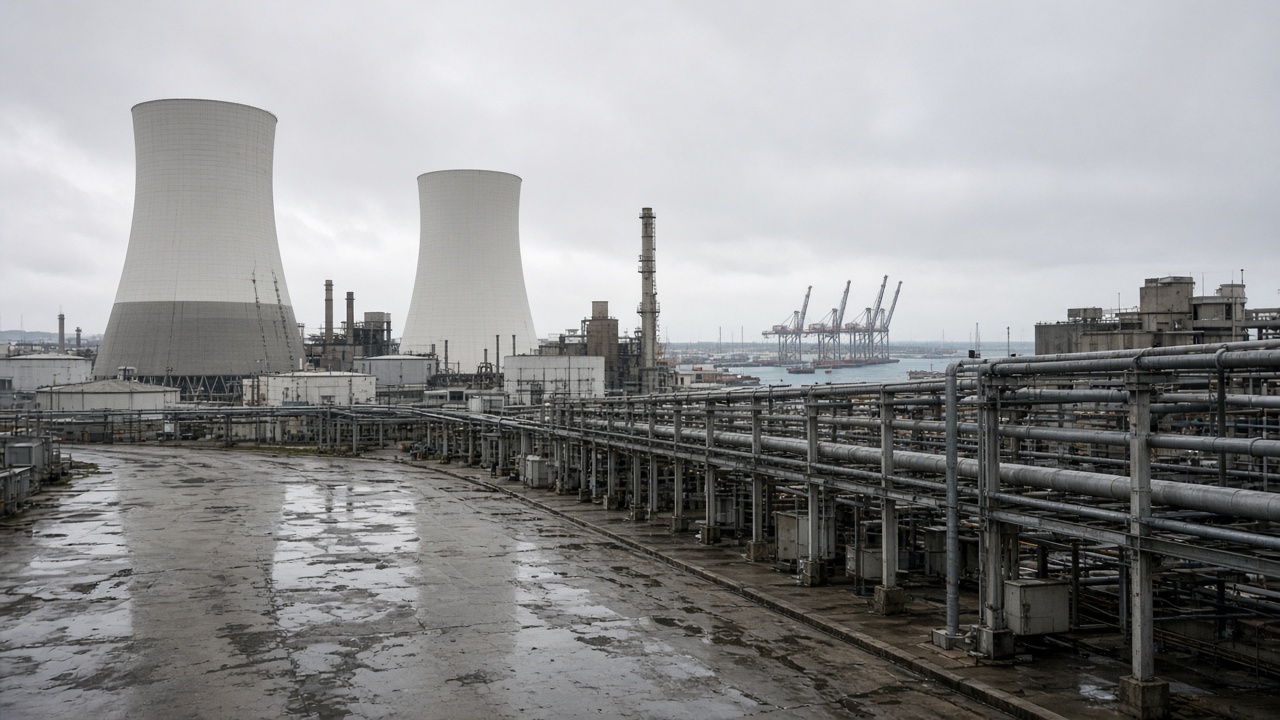
Formosa Plastics Group said Monday it will delay restarting the Mailiao No. 1 ethylene cracker until engineers finish inspecting storm damage from last week’s typhoon, a decision that could tighten feedstock for plastics and textile makers along Taiwan’s west coast.
The Yunlin complex is Taiwan’s largest integrated petrochemical site. Before the storm, the group had targeted a mid-October return for the 700,000-ton-per-year train after a short maintenance outage. Overnight gusts and salt spray forced a wider review of cooling towers, flare stacks, and harbor loading arms, according to a filing posted after the Taipei market close on Friday.
What regulators are watching
Officials at the Ministry of Economic Affairs asked the group to file daily output estimates for ethylene, propylene, and aromatics through the end of the month. Downstream buyers in Taichung and Kaohsiung use those molecules for everything from PET bottles to synthetic fibers. A two-week slip does not shut the island’s plastics chain, but traders said spot premiums for imported ethylene could rise if Mailiao’s restart slips into November.
Environmental groups in Yunlin County said the delay buys time for air-quality monitors near the plant, which recorded elevated particulate readings during the storm when backup generators ran. The company said ambient monitors stayed within permit limits and that no chemical releases occurred.
Market and labor impact
Formosa Plastics shares fell 1.8 percent in early electronic trading, while smaller downstream names that buy internal feedstock traded mixed. Union representatives at Mailiao said night-shift crews were moved to inspection teams and that overtime rules would apply if restart work runs through the Double Ten holiday makeup weekend.
Analysts at two local brokerages cut third-quarter margin forecasts for the group’s olefins division by 3–5 percent, citing lost operating days. They kept full-year dividend projections unchanged, noting that Mailiao’s No. 2 cracker and other Formosa affiliates can partially offset the gap.
Restart checklist
The company listed three gates before it fires the cracker: structural sign-off on two cooling towers, replacement of corroded handrails on elevated pipe racks, and a harbor pilot test for naphtha unloading. Only after those steps will it request a formal restart permit from local fire authorities.
Customers with quarterly contracts said procurement desks were told to prepare alternate cargoes from Japan or Southeast Asia if the outage extends beyond fourteen days. For now, most buyers are waiting for the group’s next weekly operational update, expected after the damage survey team completes drone scans of the flare system.
Insurance and neighbors
Industrial insurers sent adjusters to Mailiao over the weekend to photograph bent handrails and salt-stained transformer yards. The group said business-interruption coverage should offset part of the lost olefins margin, though deductibles tied to named-storm clauses may apply. Residents in Taisi Township reported fewer nighttime flares while the cracker idles, a temporary relief for households that filed odor complaints earlier in the year.
County officials asked the company to publish hourly air-quality readings on a public dashboard until restart, mirroring a voluntary program used during a 2024 pipeline maintenance outage.
Downstream contracts
Textile makers in Changhua said they can cover about ten days of ethylene shortfall from inventory tanks but will need spot cargoes if the outage crosses three weeks. Spot ethylene assessments in Northeast Asia rose modestly on Monday morning, though traders cautioned that Chinese crackers returning from maintenance could cap any spike.