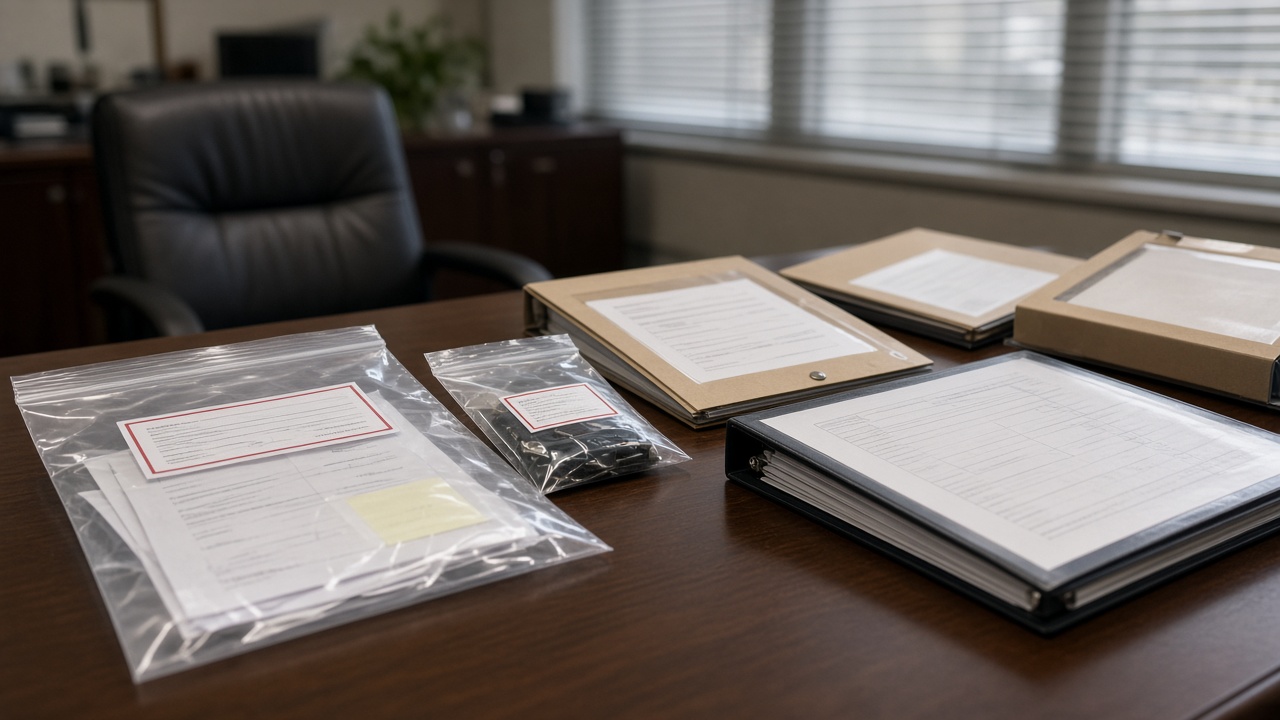
Hsinchu District Prosecutors Office indicted three defendants on fraud and forgery counts after investigators said they posed as licensed securities analysts on LINE groups, used forged Financial Supervisory Commission letterheads, and directed retirees into counterfeit trading apps that drained more than NT$42 million over eight months.
How the scheme worked
According to the indictment, ringleaders bought aged LINE accounts with existing friend lists, then seeded chat groups with scripted “profit screenshots” from fake cryptocurrency wallets. Victims who asked for proof received PDF letters that copied FSC logos and bogus registration numbers, lending an air of regulatory blessing the real commission never granted.
Once trust built, targets downloaded Android packages outside official stores. The apps displayed inflated balances and blocked withdrawals unless victims paid “tax clearance” fees. Funds moved through mixers into overseas exchanges, complicating tracebacks until the Investigation Bureau partnered with a domestic bank to freeze mule accounts.
Who was hurt
Prosecutors said 27 identifiable victims lost between NT$400,000 and NT$5.8 million each, mostly retirees in Hsinchu and Taoyuan who believed they were diversifying beyond low-yield time deposits. Several defendants allegedly coached victims to lie to bank tellers about wire purposes, a pattern banks now flag with enhanced interview scripts.
Regulatory response
The Financial Supervisory Commission reiterated that it does not certify individual Telegram or LINE “mentors,” and it urged investors to verify licenses through the commission’s public database. MODA-linked anti-fraud SMS broadcasts will add a line about forged PDF letterheads after this case, officials said.
Court next steps
The trio faces trials at Hsinchu District Court; prosecutors seek restitution orders if assets remain traceable. Investigators are still mapping downstream wallets, suggesting additional charges could follow if accomplices are identified through exchange subpoenas.
The case underscores a familiar Taiwan pattern—romance and “teacher” scams migrating from forex to crypto while borrowing the visual language of legitimate regulators. For consumers, the actionable lesson is blunt: any investment that begins in a LINE group and ends in a sideloaded app is not on the FSC’s roster, no matter how official the PDF looks.
Bank and platform cooperation
Domestic banks said they flagged 112 suspicious wires tied to the same mule network before the indictment, yet only 18 were stopped because victims authorized transfers after video calls with fake “customer service” desks. The FSC is weighing whether to require cooling-off periods for first-time crypto exchange links opened by users over age 55.
LINE Taiwan reiterated that it removes reported scam groups but cannot monitor encrypted chats. Investigators instead relied on victims volunteering screenshots, a bottleneck prosecutors want addressed with clearer digital evidence rules in upcoming criminal procedure amendments.
Prevention campaigns
Hsinchu City libraries will host evening seminars with plain-language checklists: verify licenses on the FSC site, refuse sideloaded apps, and never mix romance conversations with investment tips. Police said similar workshops cut reported losses in 2025 forex scams, though crypto variants adapt faster than slide decks.
Asset recovery odds
Prosecutors seized laptops and ledgers showing cash-outs through Taiwan-based OTC desks that charged five percent fees to move USDT into New Taiwan dollars. Recovery teams said victims might see partial refunds if frozen accounts cover legal costs, but mixer hops make full restitution unlikely—a reality judges increasingly explain during sentencing hearings.