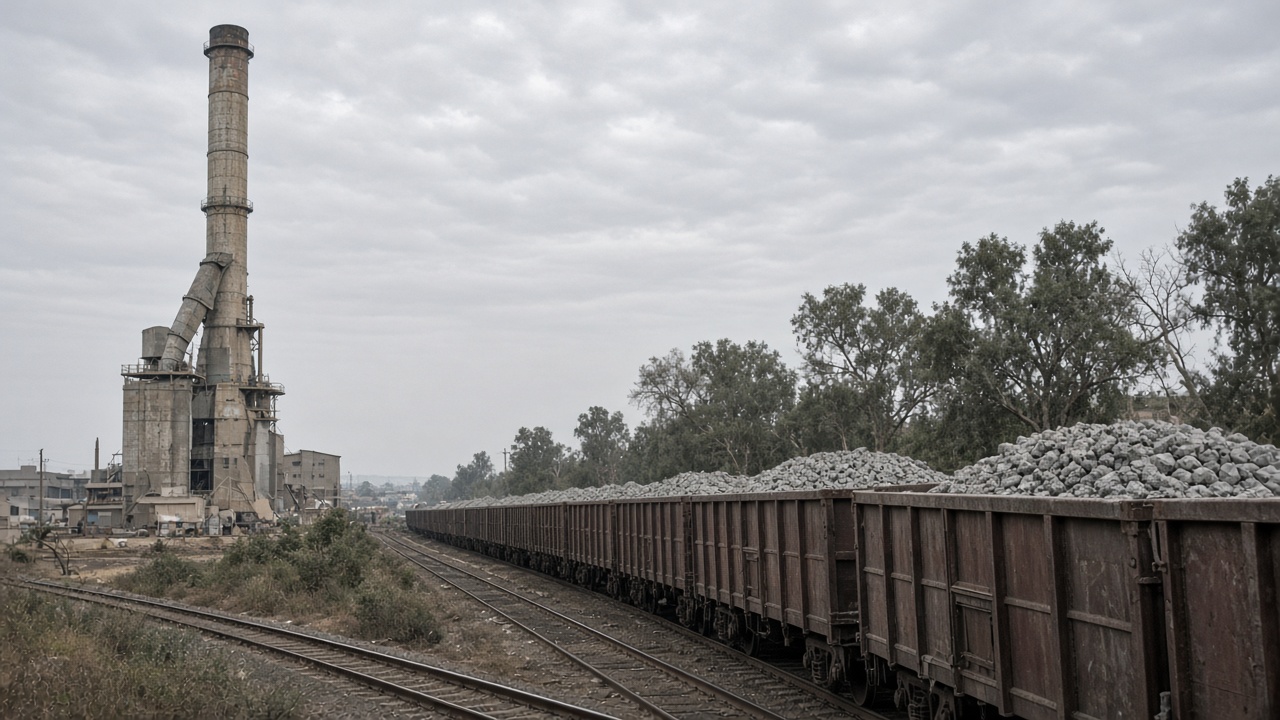
JSW Cement dispatched the first Salboni clinker rake to a Visakhapatnam breakwater pour on Sunday, reconnecting its West Bengal kiln to a port contract that had been waiting on monsoon track repairs and grid synchronisation at the coastal site.
The move matters because east-coast infrastructure work has been competing for the same clinker and slag supply that feeds housing projects in Kolkata and Odisha. Plant managers told exchange monitors that the Salboni unit cleared a state pollution board inspection in late September, allowing night-time kiln runs that had been throttled during the heaviest rain weeks.
What changed on the ground
At Salboni, the company restored a dedicated siding that feeds the Bengal Industrial Growth Centre. Wagons moved under escort from the plant weighbridge to a holding loop before the long haul toward Visakhapatnam. Port engineers had kept a breakwater section cordoned for a controlled pour schedule so tidal windows would not interrupt the tremie pipe alignment.
JSW Cement has been pitching Salboni output to marine contractors who want consistent fineness for mass concrete. The Visakhapatnam assignment is not a retail bagging play; it is bulk dispatch into a government-backed harbour strengthening package that picked up pace after cyclone-season inspections flagged toe scour along the outer armour.
Costs, power, and the grid question
Energy remains the swing factor. The kiln returned to full feed only after West Bengal State Electricity Distribution Company Limited confirmed a temporary tie-in that let the plant run auxiliary loads without tripping village feeders. Managers said captive power units covered peak demand during the first clinker grind after the shutdown.
Freight economics also shifted. With diesel traction surcharges in the October tariff circular, the company routed some legs on electrified sections where wagon turnaround time beat road shuttles. That choice trimmed per-tonne logistics cost enough to keep the breakwater bid competitive against rivals quoting from Andhra coastal plants.
What contractors watch next
Building material buyers in Visakhapatnam will track whether JSW can hold dispatch cadence through the post-monsoon festival build-up. Port trust officials want two rakes a week minimum to stay on the breakwater timeline before the next squall window. Any slippage would push contractors back to imported clinker quotes that had eased when rupee freight spreads narrowed in September.
For JSW Group investors, the story is utilisation. Salboni was marketed as a bridge between eastern limestone belts and coastal infrastructure. Proving steady dispatches into a visible port job gives the unit a reference case when bidding for similar armour-stone and mass-concrete packages along the Bay of Bengal corridor.
competitive field on the coast
Ramco and Dalmia have been quoting breakwater mixes from Andhra plants with shorter rail legs. JSW’s Salboni play bets that consistent chemistry matters more than a few rupees per tonne on freight when the port engineer audits compressive strength at 28 days. Quality managers shipped paired samples to a third-party lab in Chennai so Visakhapatnam consultants could compare fineness and loss-on-ignition side by side with incumbent suppliers.
Local ready-mix operators said they would trial the Salboni clinker in a 400-cubic-metre pour scheduled for mid-October. If slag blending ratios hold without segregation, JSW could win a rolling six-month supply order that was previously split among two vendors. That contract size is what moves the needle on plant EBITDA, not one-off rakes.
Community and haulage
Village councils along the Salboni rail route asked for dust suppression during wagon loading. The company responded with additional sprinkler cycles and night-time curfews on horn use near schools. Truck unions in Visakhapatnam pressed for a share of last-mile delivery from the port siding; JSW said it would hire local operators through the port labour cooperative rather than bringing outside fleets.
Environmental groups want public data on kiln emissions during the restart. JSW pointed to continuous emissions monitoring uploads on the state pollution board portal and invited civil society observers on a guided site visit after the first rake unloaded. Transparency will not settle every dispute, but it lowers the risk of a last-minute court stay that could idle wagons at the plant gate.