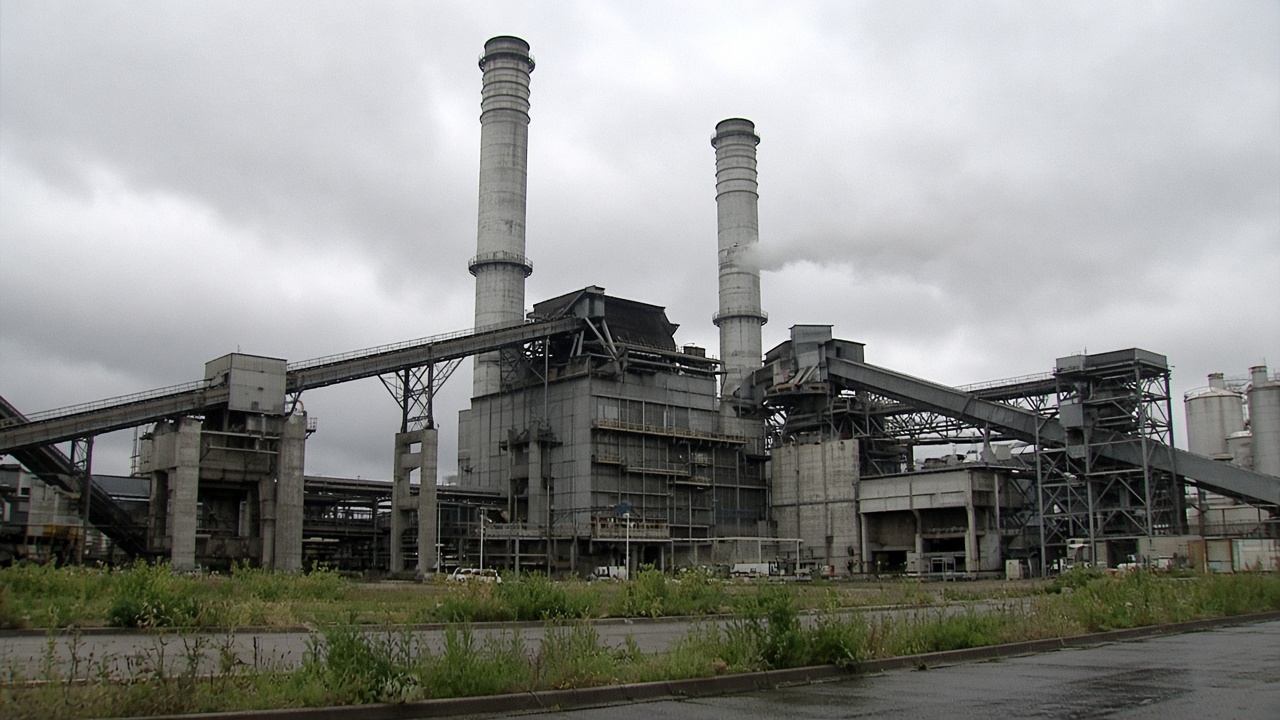
Keppel Integrated Engineering said on Monday that its Tuas waste-to-energy plant has entered commercial operations, giving Singapore’s National Environment Agency another 800 tonnes per day of incineration headroom as transboundary haze pushes more residents indoors and household waste volumes tick higher during the school holidays.
The Keppel Seghers Tuas plant is the city’s first waste-to-energy facility delivered under a public-private partnership. Keppel’s subsidiary will own and operate the plant for 25 years, supplying steam and more than 20 megawatts of electricity while NEA pays for waste treatment services. Together with Keppel’s newly acquired Senoko plant, which can burn 2,400 tonnes daily, the group now handles close to half of the waste Singapore sends for incineration.
Why Tuas matters now
Singapore landfills only ash, not raw trash, and NEA has long warned that Semakau Landfill could fill by the mid-2030s without new incineration capacity or sharper recycling. Tuas was delayed twice during the pandemic supply crunch; its commissioning this month lets NEA route trucks away from the ageing Tuas South incinerator for maintenance without risking weekend pile-ups at transfer stations.
Deputy chairman Michael Chia said the plant showcases local engineering because it uses technology developed in-house rather than imported grate systems. That matters politically as the government courts regional buyers for water and waste solutions — a pillar of the Green Plan — even as activists question whether more burning discourages reduction efforts.
Revenue and risk
Analysts covering Keppel Ltd. have modelled steady fee income from the NEA contract, with upside from power sales into the grid when spark spreads widen. The counterparty risk is low — NEA pays from the solid-waste fee households see on utility bills — but operating risk remains: boiler leaks, dioxin monitoring, and ash haulage all sit on Keppel’s balance sheet.
Environmental groups asked NEA on Monday to publish real-time emissions data from the new stack, not just annual averages. NEA said it would continue posting compliance reports on its website and that the plant passed commissioning tests for particulate and acidic gas limits before commercial start-up.
For investors, the story is less about Monday’s haze headlines and more about recurring cash flow from an asset Singapore cannot afford to idle. For residents, it is the backend machine that keeps bin centres from overflowing when the air outside already feels heavy enough.